The Perfect Dudhwa Monsoon Escape
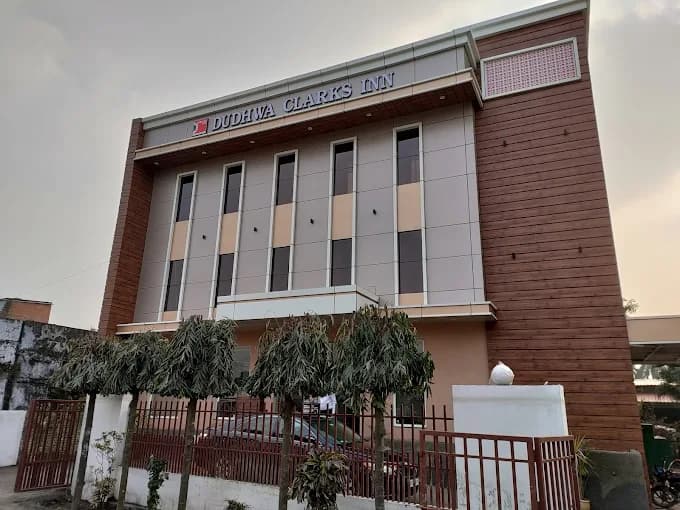
Table of Contents
- Why Monsoon in Dudhwa Hits Different
- The Wildlife That Shows Up When the Rain Does
- The Forest in July and August: What It Actually Looks Like
- What to Do on a Monsoon Trip to Dudhwa
- Hotels in Dudhwa: What to Look For
- Clarks Inn Dudhwa
Why Monsoon in Dudhwa Hits Different
Everyone goes to the hills in summer. The Nainital roads are jammed, Mussoorie is at capacity, and every decent room in the Kumaon foothills is booked three weekends out.
Meanwhile, Dudhwa is quiet.
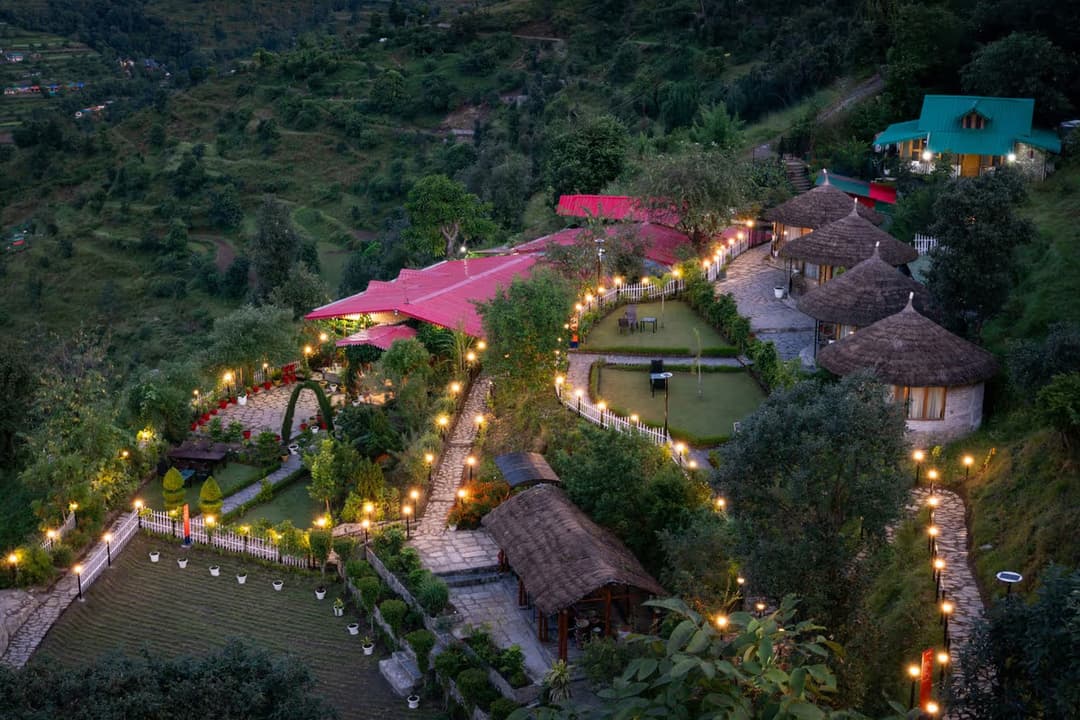
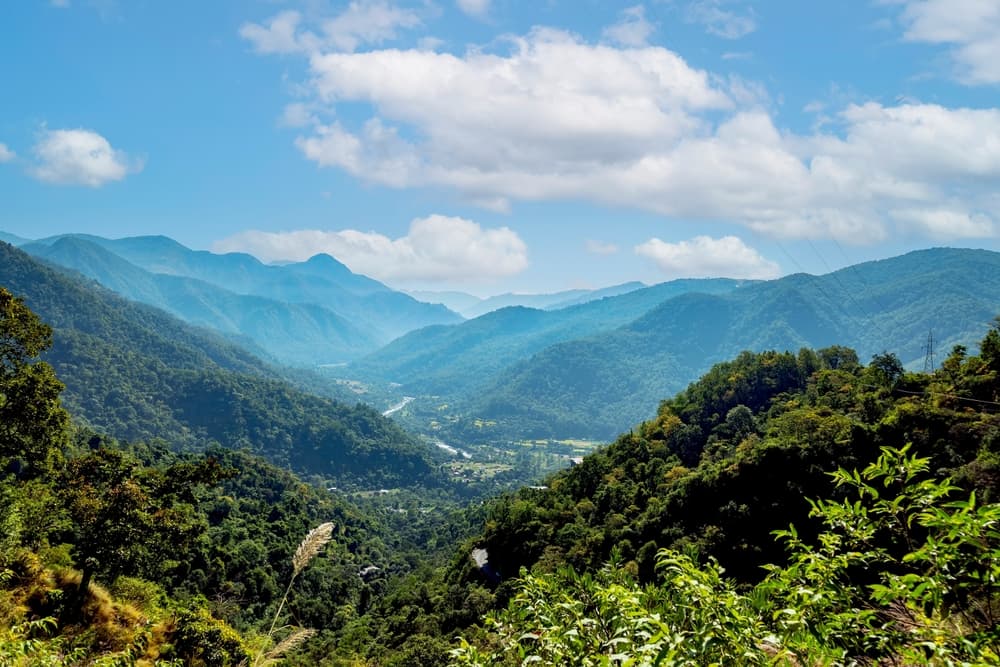
The perfect Dudhwa monsoon escape exists in the gap that most weekend travellers leave open, a Terai forest in Uttar Pradesh's Lakhimpur Kheri district that receives the monsoon fully, turns intensely green between July and September, and runs a wildlife calendar that the dry-season visitor doesn't see. Swamp deer moving through tall grass that's two metres high. Rhinos at the waterhole. The Soheli River running full and fast through sal forest that looks, in July, nothing like the version that appears in the November safari photographs.
Most people haven't been. That's the point.
The Wildlife That Shows Up When the Rain Does
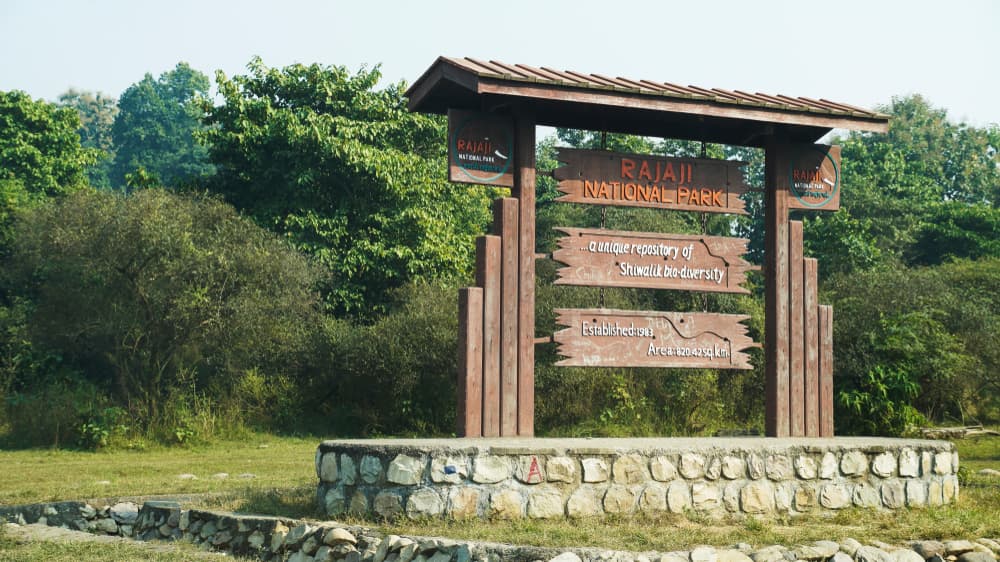
Dudhwa National Park closes its core zone for safaris during the monsoon, standard practice across Indian wildlife reserves. But the buffer zones and surrounding areas remain accessible, and the wildlife doesn't read the closure notices.
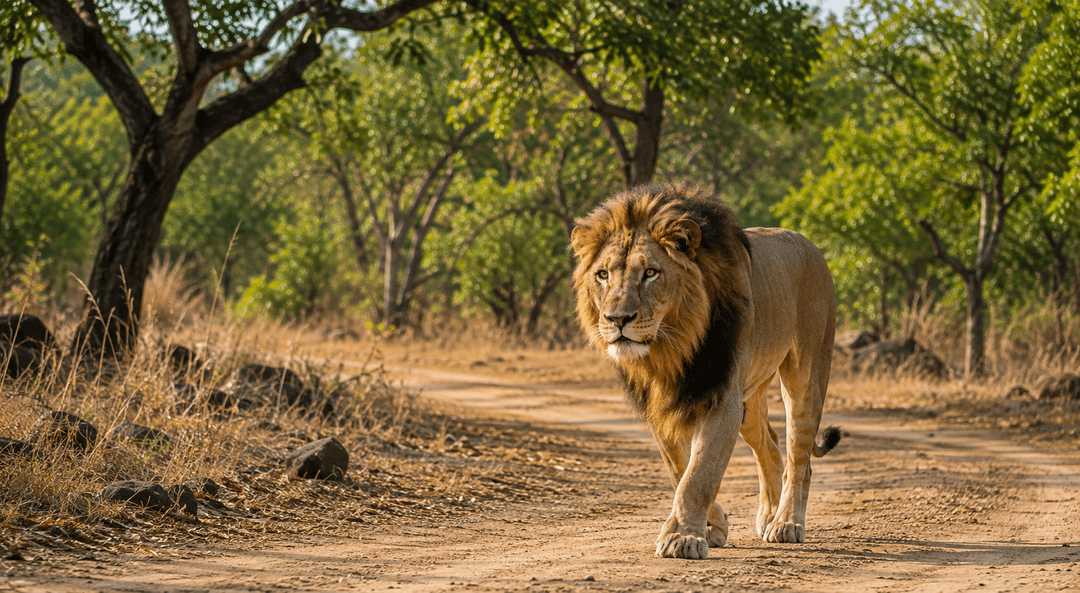
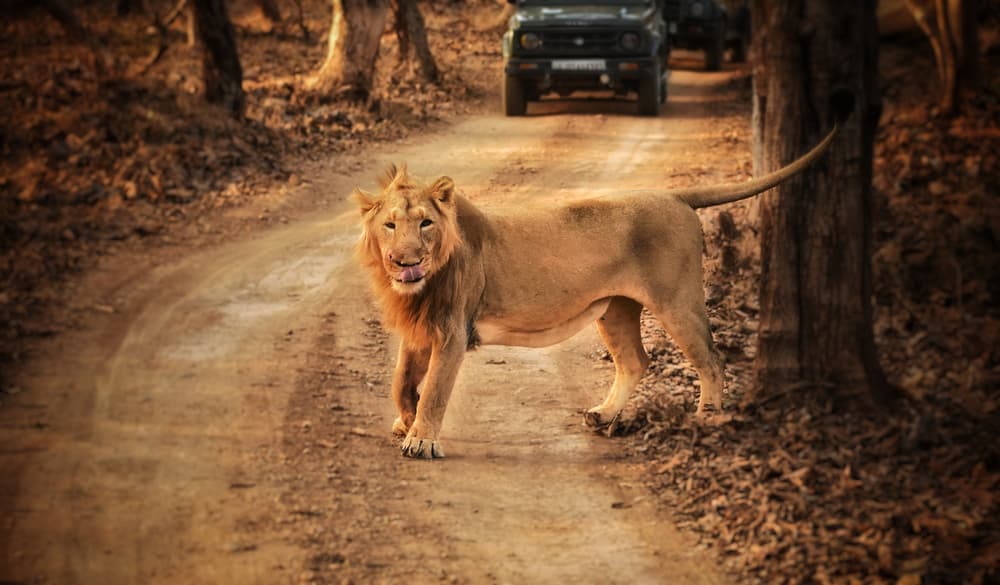
Swamp deer, barasingha, move through the grasslands in numbers that peak during the monsoon months as the tall grass provides cover for calving. The Terai's elephant population is active through the rains. Bird activity is at its highest: the wetlands that form along the Soheli and Mohana rivers attract waterbirds in numbers that the dry season doesn't produce. Painted storks, open-billed storks, river terns, and kingfishers work the water with the forest behind them still dripping from the previous night's rain.
The rhinos in the park's enclosed zone are visible year-round from designated observation points accessible even when the core safari routes are closed.
The Forest in July and August: What It Actually Looks Like
The sal forest around Dudhwa in monsoon is a different thing from the forest the December tourist sees. The canopy closes. Every surface carries moisture. The smell of wet forest floor and sal resin is specific enough to be memorable months later.
The light that comes through a wet sal canopy in the morning, diffuse and green and moving with the rain-wet leaves, is the forest photograph that the dry-season visitor misses entirely and that the monsoon visitor gets without trying.
Dudhwa's tall grasslands, the characteristic Terai habitat that barasingha evolved to live in, reach their full height in August. Walking a buffer zone trail through elephant grass at two metres is a different sensory experience from the same trail in March when the grass has been cut or grazed down. The forest is denser, louder with birdsong and insect life, and darker under the canopy. It asks more of your attention and gives more back.
The perfect Dudhwa monsoon escape for travellers who want a forest experience rather than a packaged safari is specifically this, being inside the Terai landscape when it's running at full capacity, not the managed version the peak-season tourist receives.
What to Do on a Monsoon Trip to Dudhwa
A monsoon trip here isn't a safari trip in the conventional sense. The activities shift accordingly.
- Buffer zone nature walks: Guided walks through the forest periphery remain possible throughout the monsoon. Early morning, when the overnight rain has settled and the birds are active, is the window.
- River watching: The Soheli and Mohana rivers run full in monsoon, and the waterbird activity along the banks is the most consistent wildlife experience the season offers. A local guide who knows the productive stretches turns this from a walk into a proper birding session.
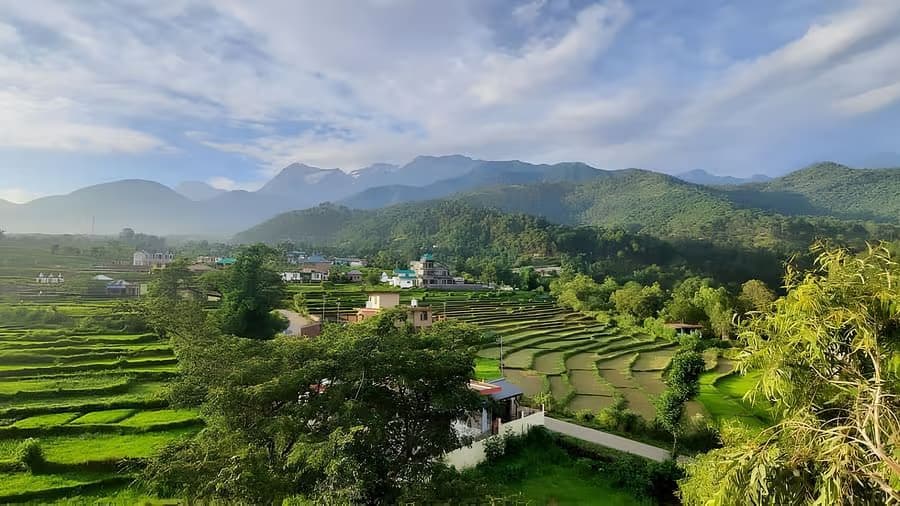
- Village and agricultural walks:The Terai's farming communities are in full agricultural season through July and August, and the landscape around the park, rice paddies, sugarcane, the specific green of a Terai summer, is worth spending time in rather than driving past.
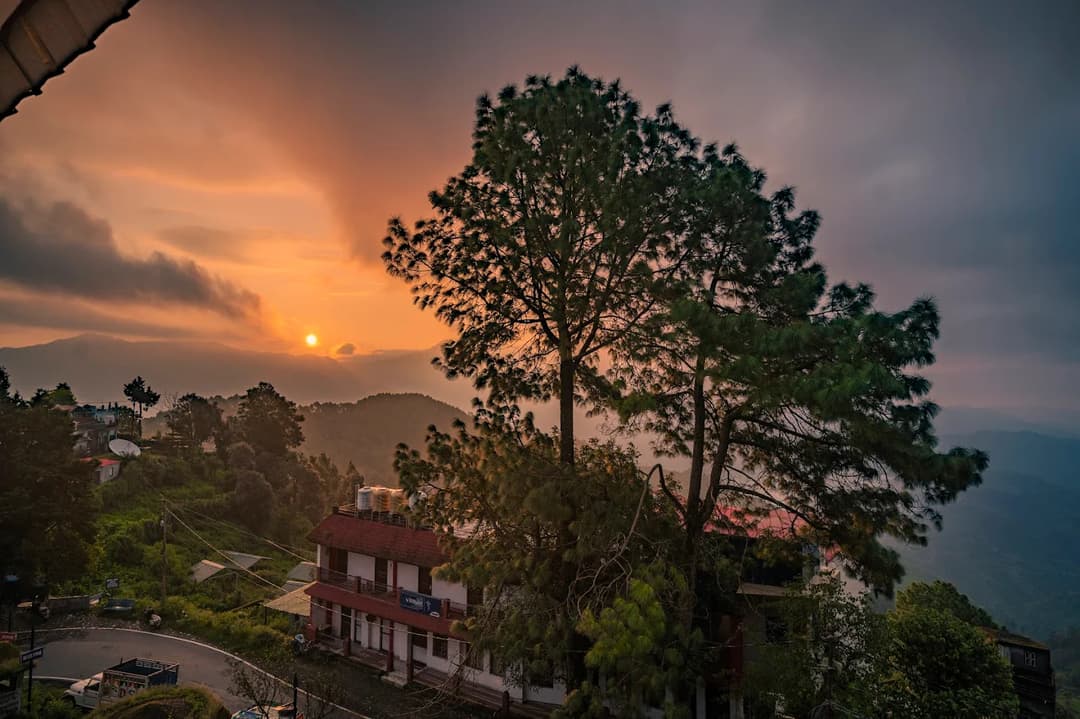
Sit and let the forest come to you: The buffer zone observation points and the property grounds after dark in monsoon produce wildlife encounters that the organised safari doesn't, nightjars calling, the distant sound of elephants in the sal, the specific quality of a Terai night when the rain has stopped and the forest is active and you're the only person outside.
Hotels in Dudhwa: What to Look For
Stays in Dudhwa during monsoon require a different checklist from peak-season booking.
The obvious one first, confirm what's actually open. Some properties reduce operations during the park closure months. A 24-hour front desk and restaurant service matter more during monsoon when options outside the property are limited by weather and road conditions.
- Proximity to the park boundary: Not all hotels in Dudhwa sit at the same distance from the forest. The buffer zone access that makes monsoon worthwhile requires a property that's genuinely close rather than in the nearby town.
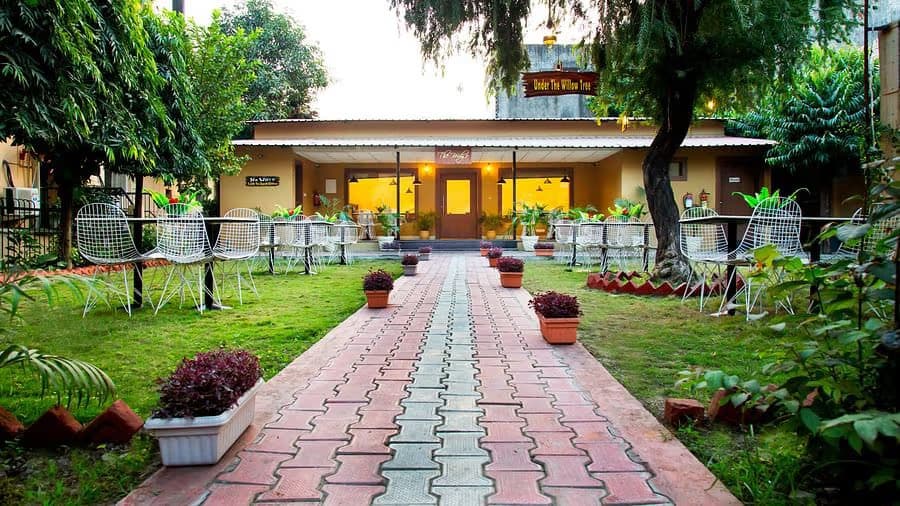
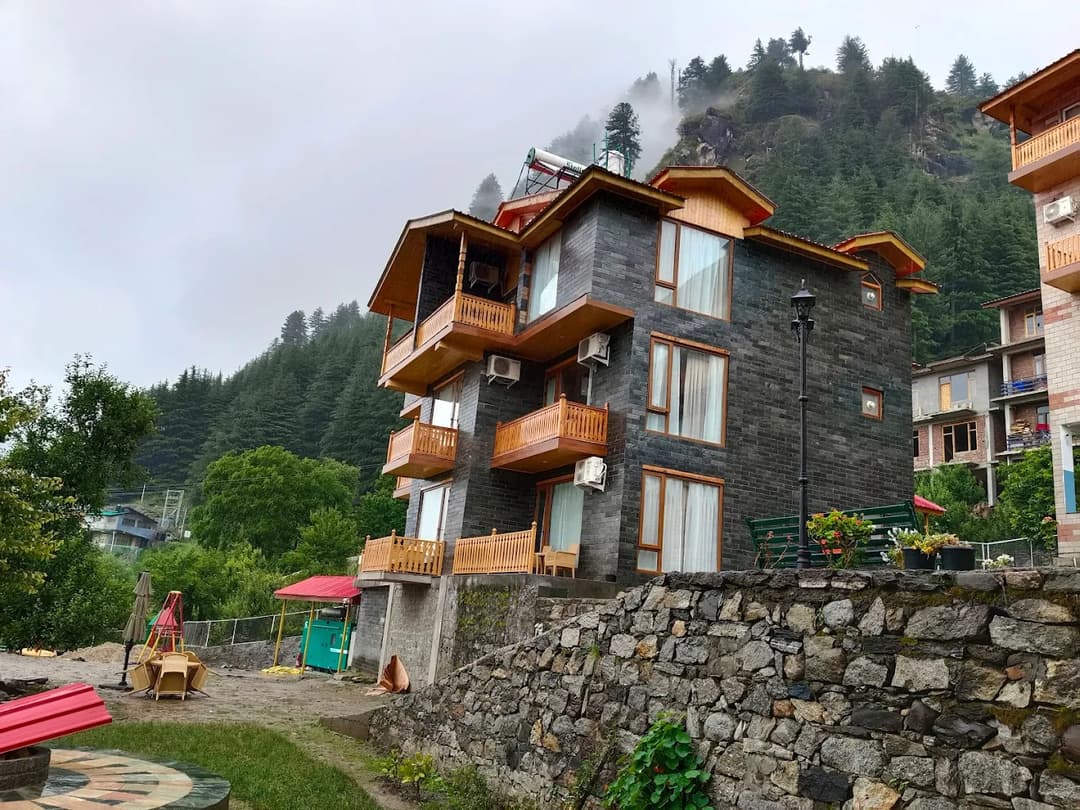
- Property grounds and outdoor space: A hotel with its own garden or lawn becomes the activity when the weather doesn't permit going further. The evening drink outside, the night sounds from the forest, the morning bird activity on the property, these are the monsoon experiences that a well-located stays in Dudhwa property delivers without any programme.
- Reliable food and room service: A heavy monsoon afternoon means staying in. A property that handles that without requiring you to go out is the practical choice rather than the romantic one.
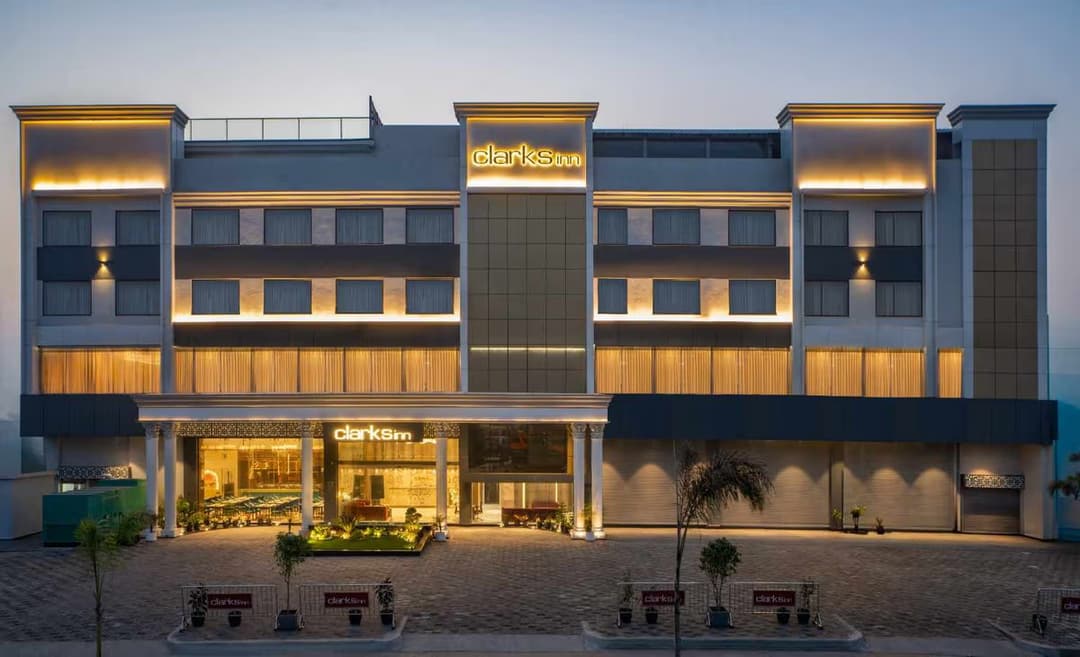
Clarks Inn Dudhwa: Start Your Perfect Dudhwa Monsoon Escape Here
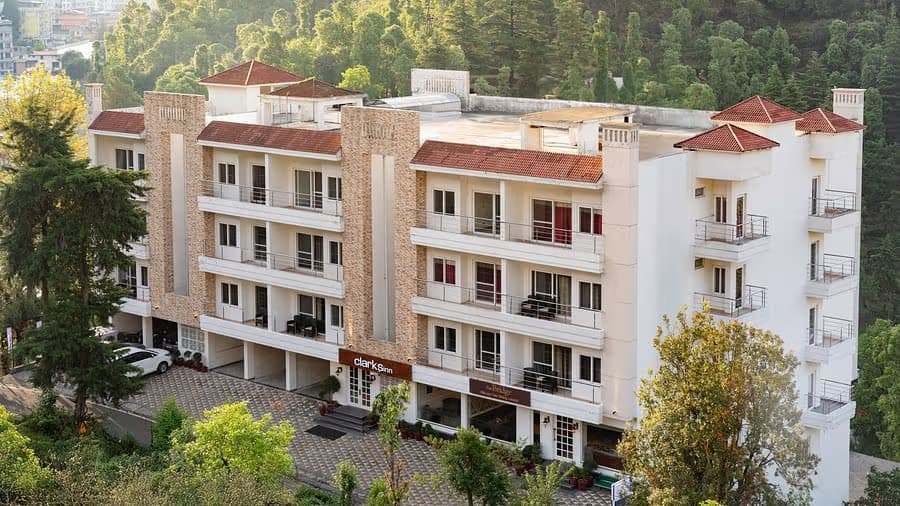
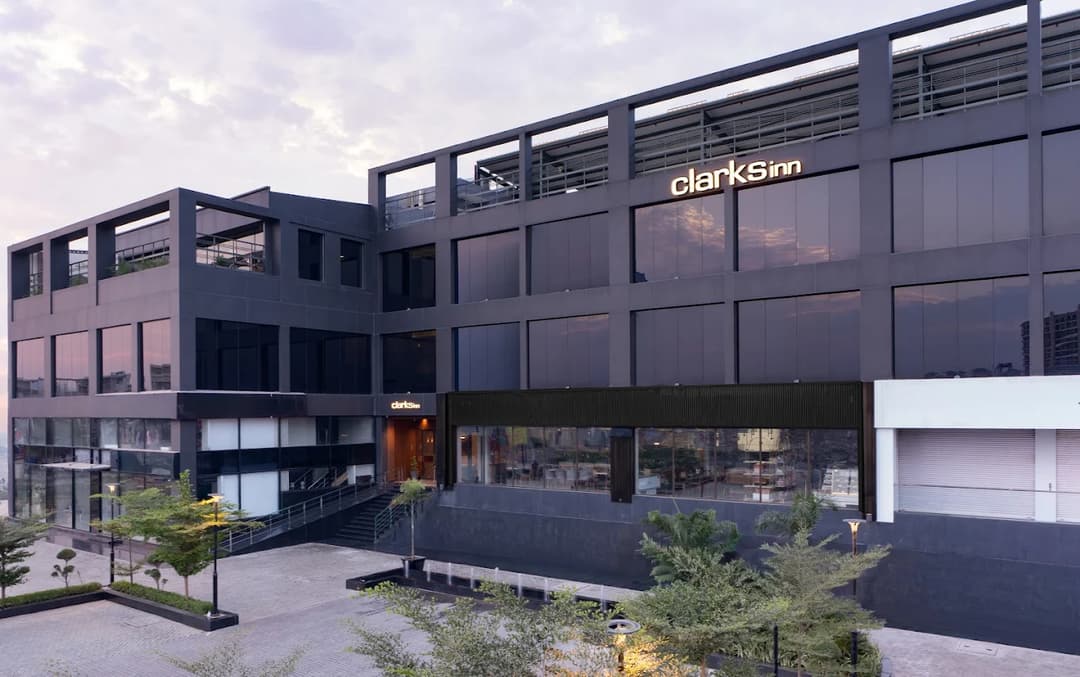
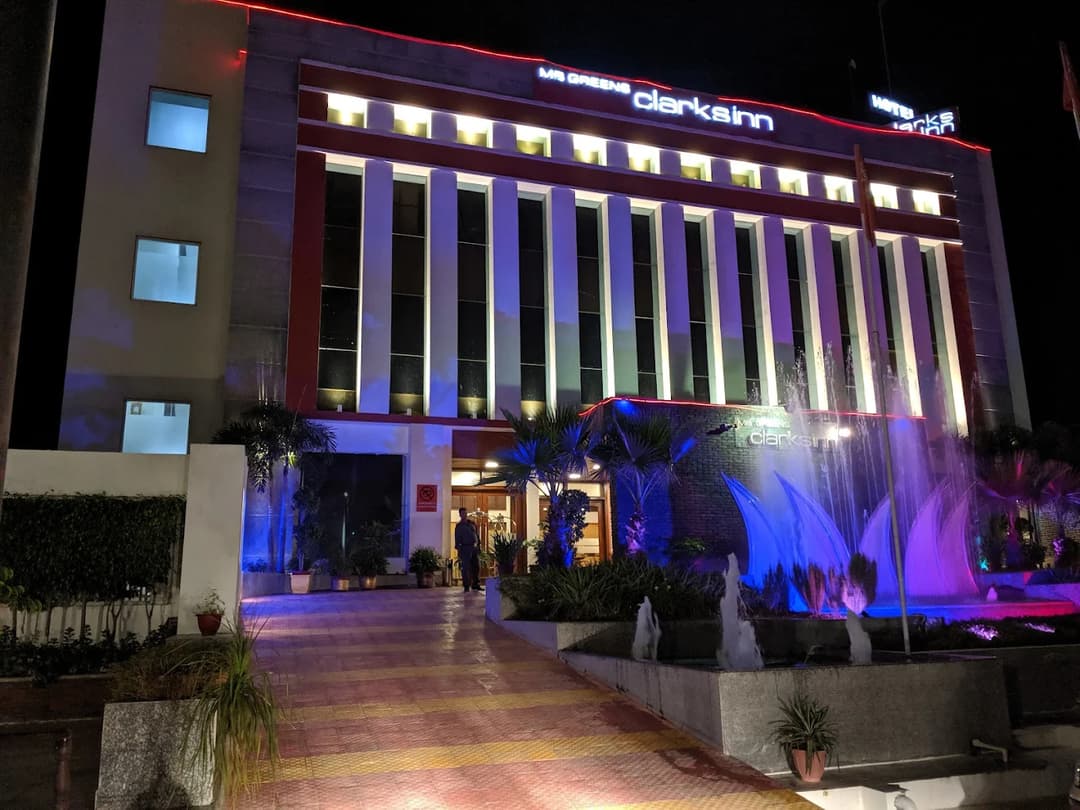
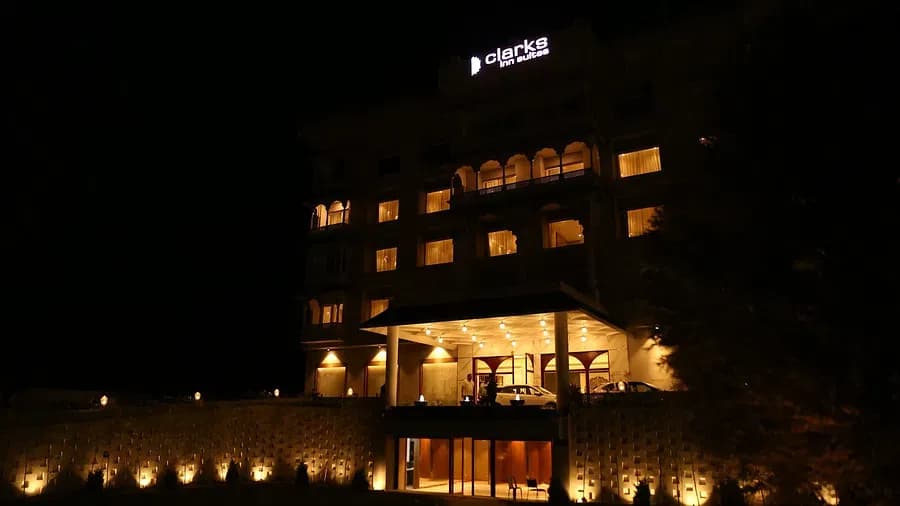
Here's what makes Clarks Inn Dudhwa the right base for the perfect Dudhwa monsoon escape, it's close, it's functional, and it doesn't pretend to be something it isn't.
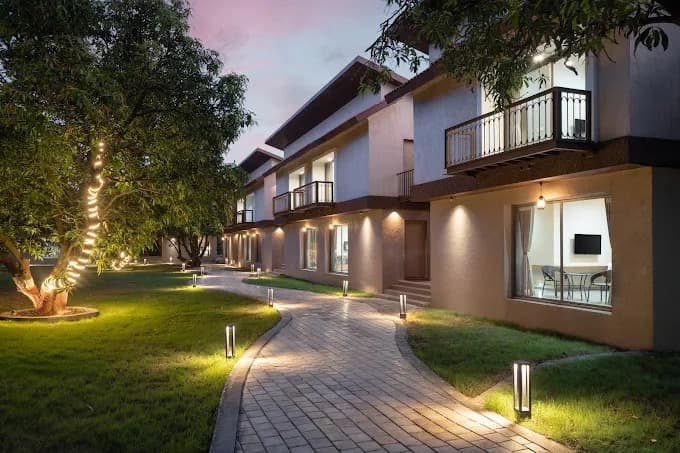
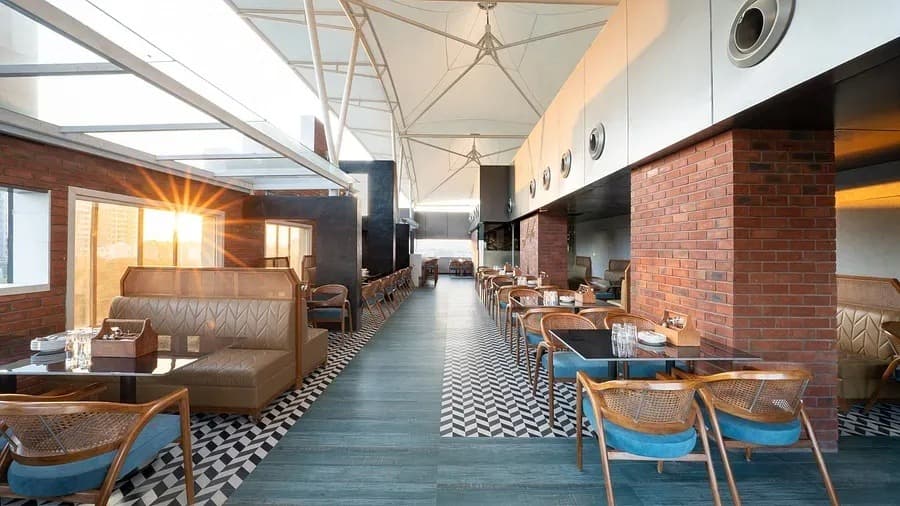
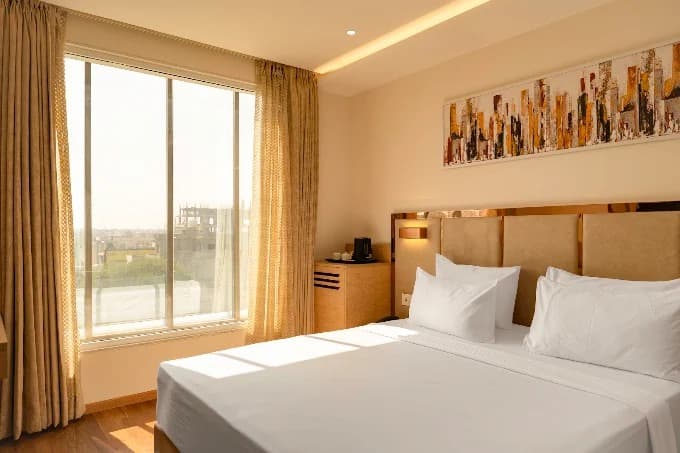
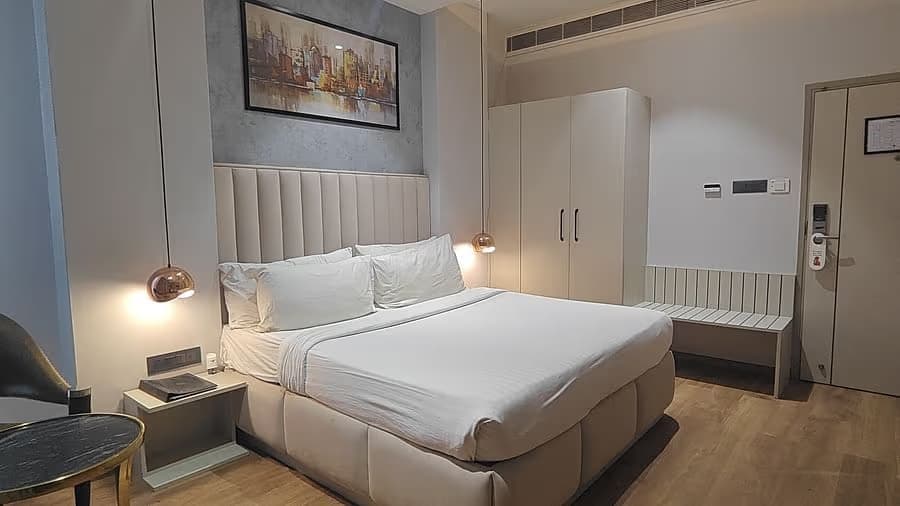
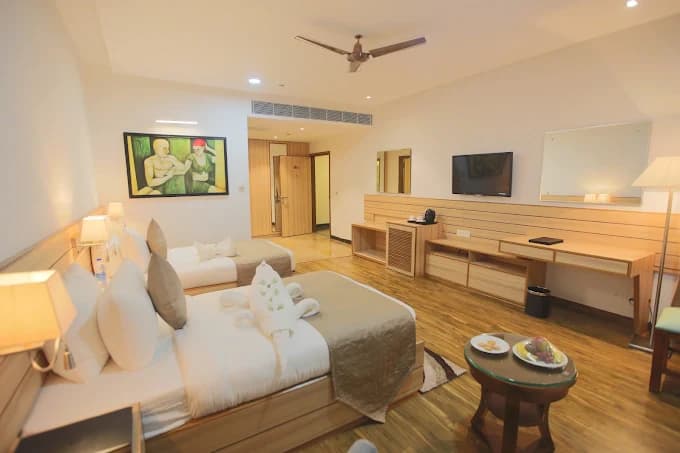
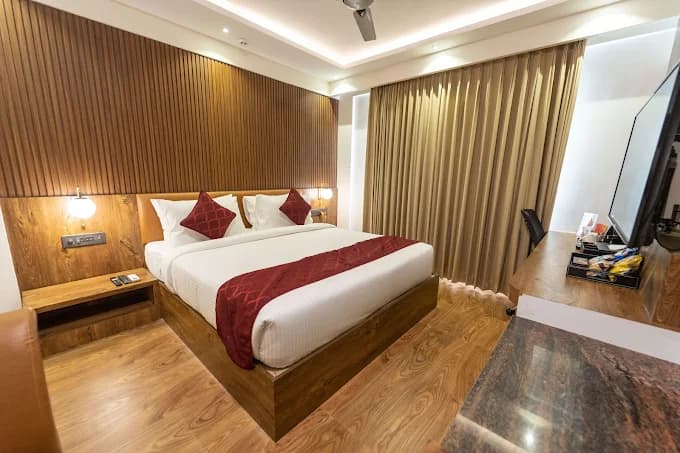
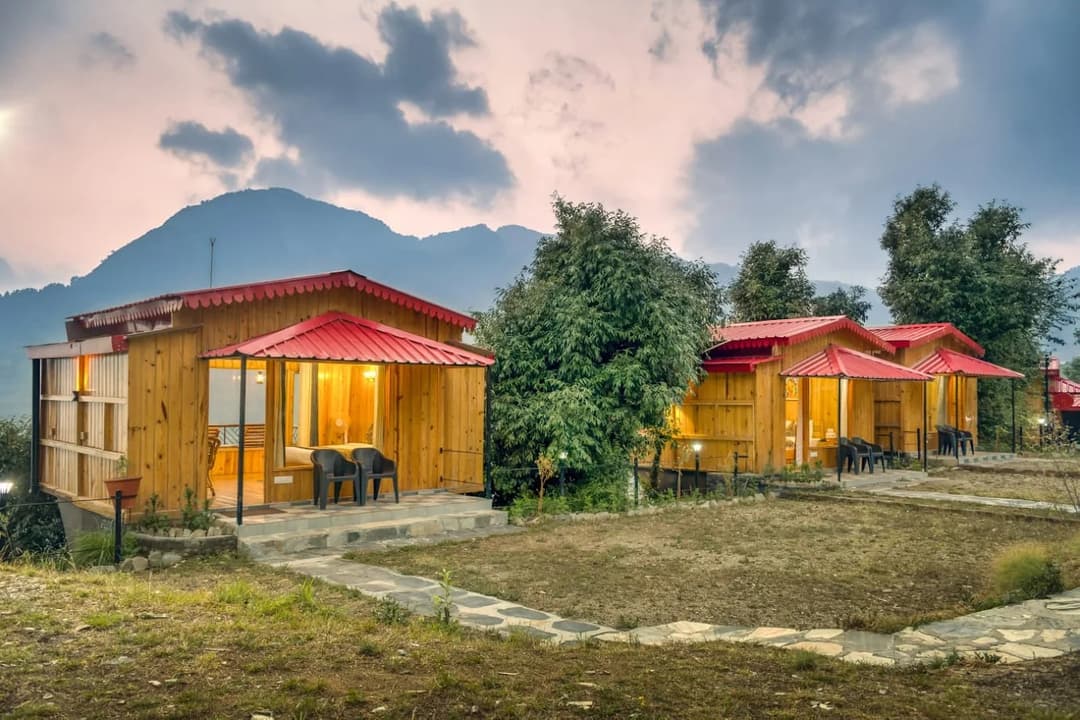
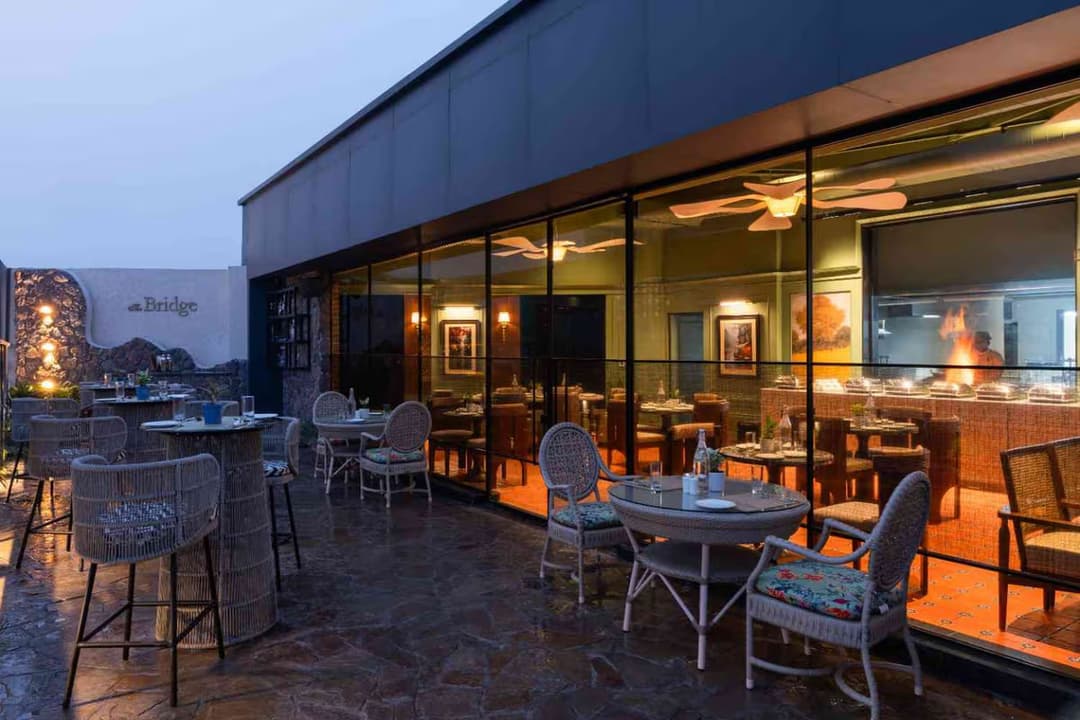
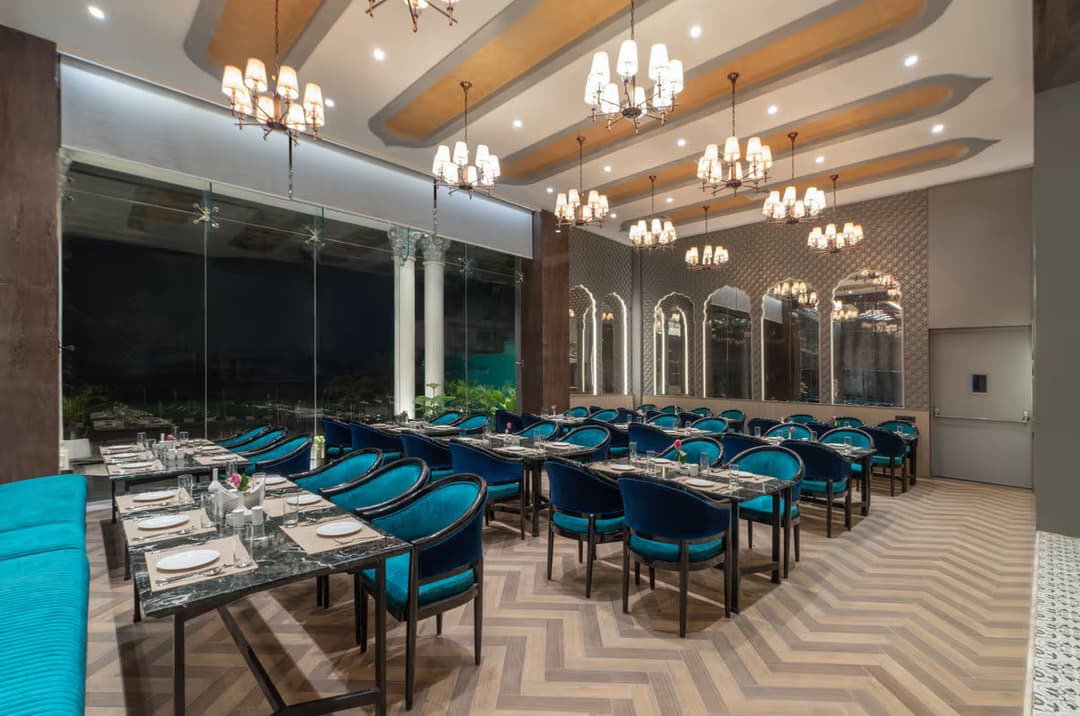
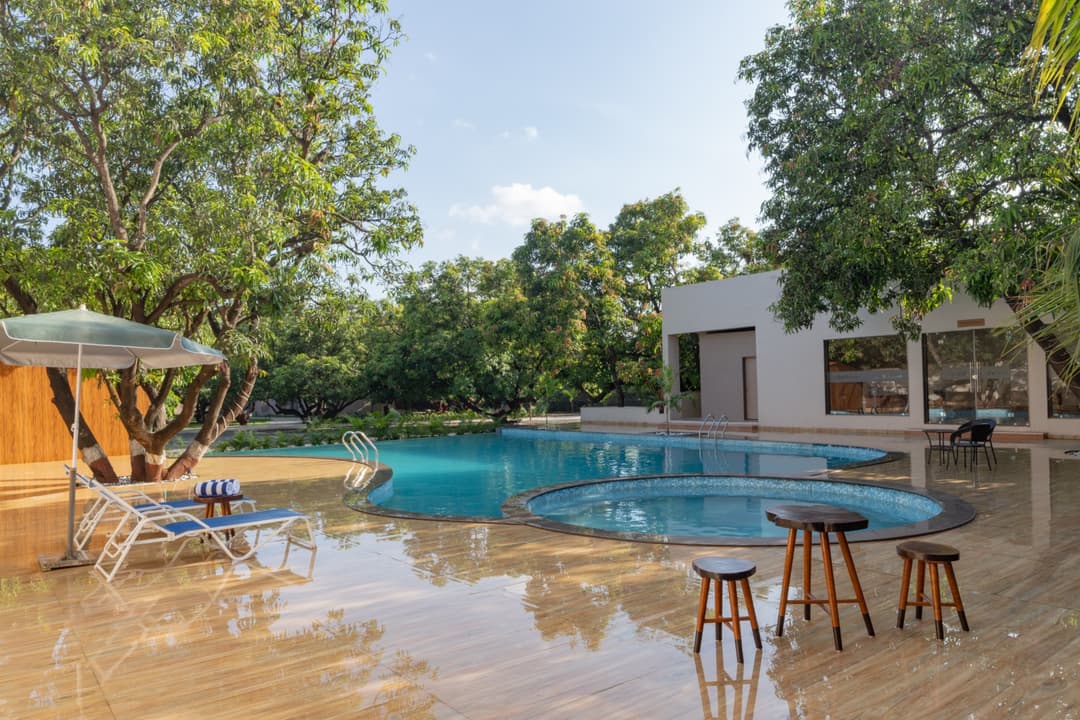
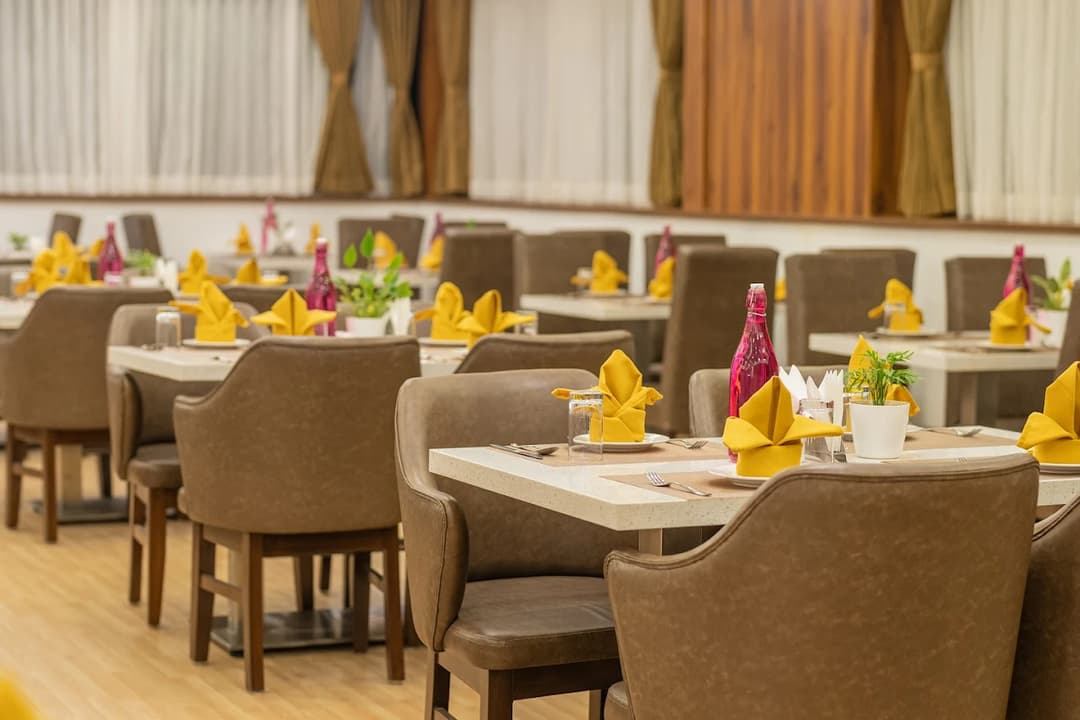
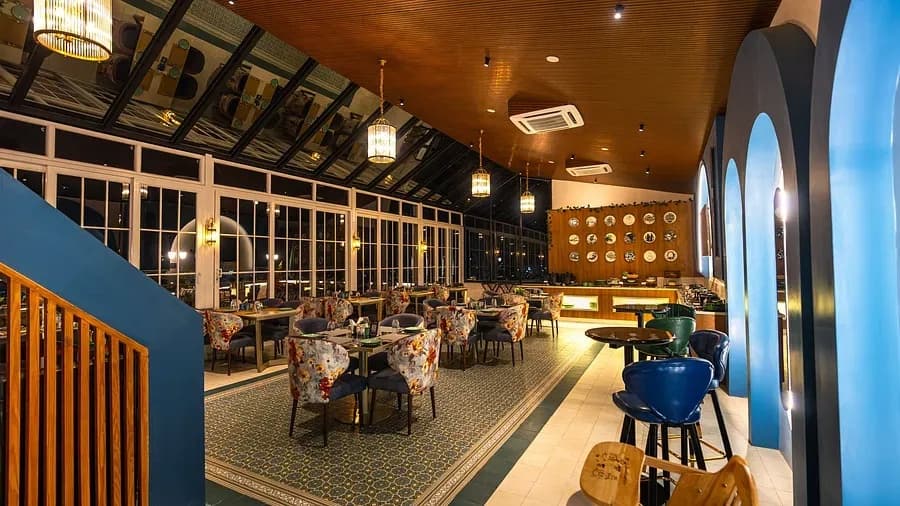
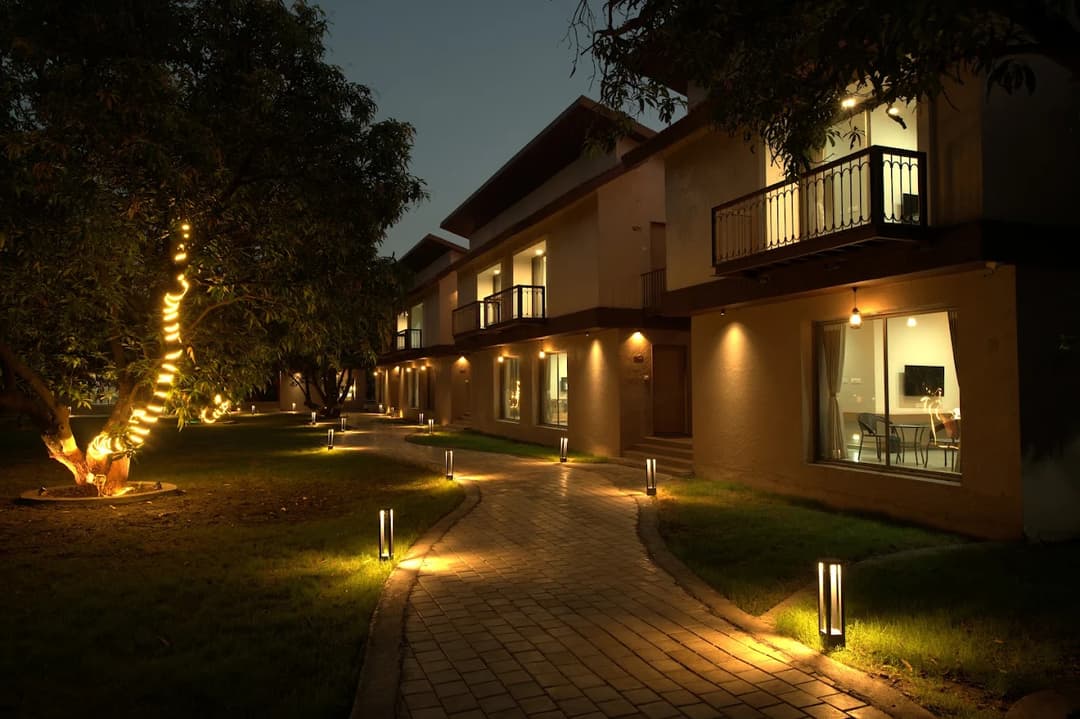
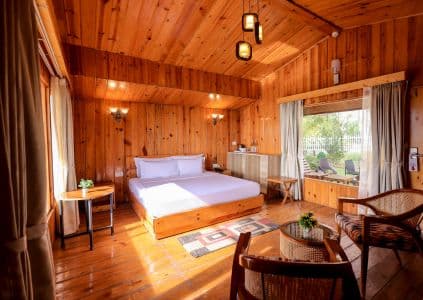
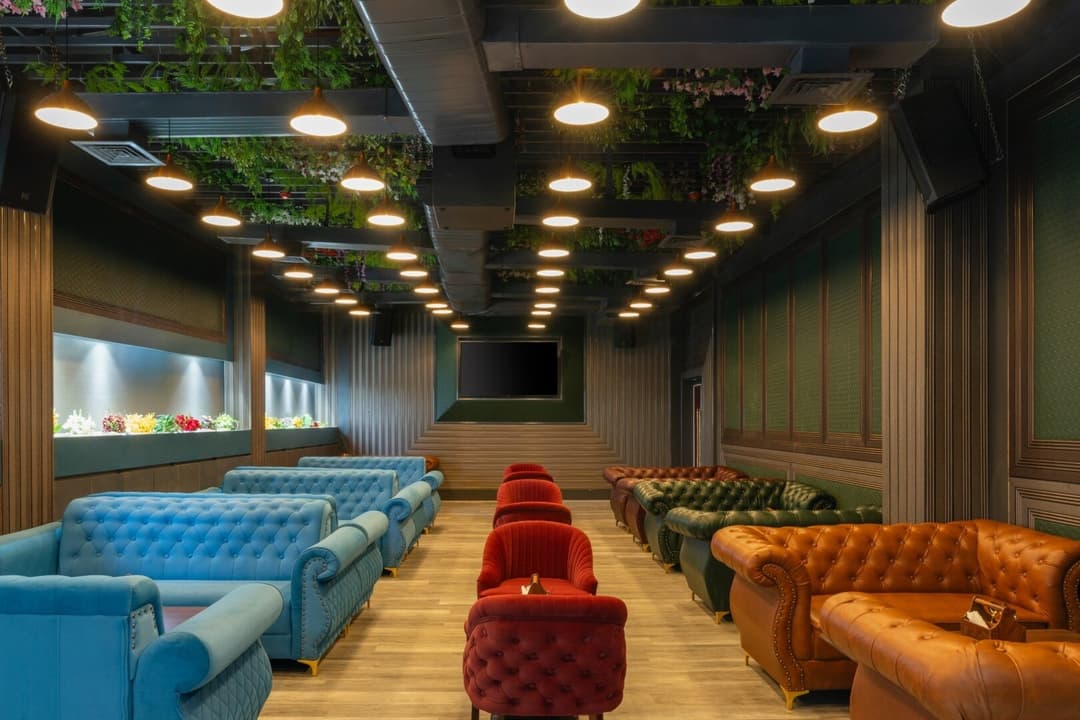
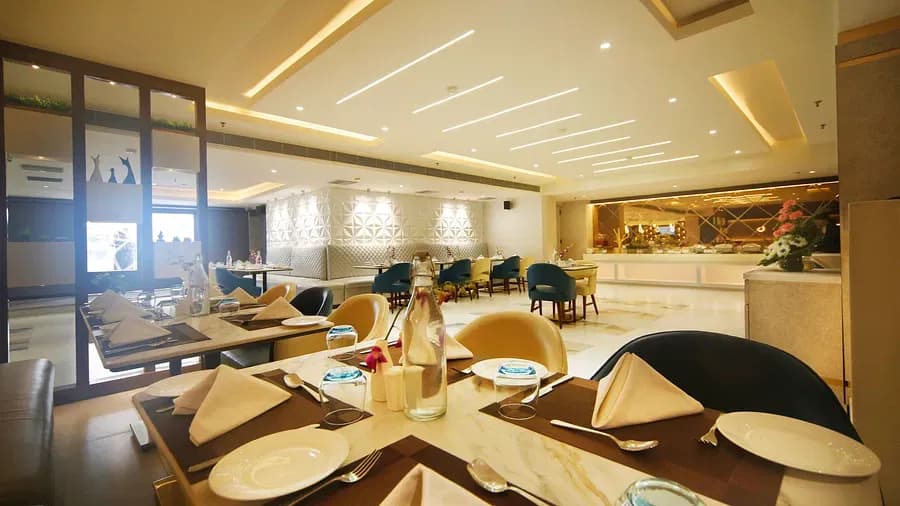
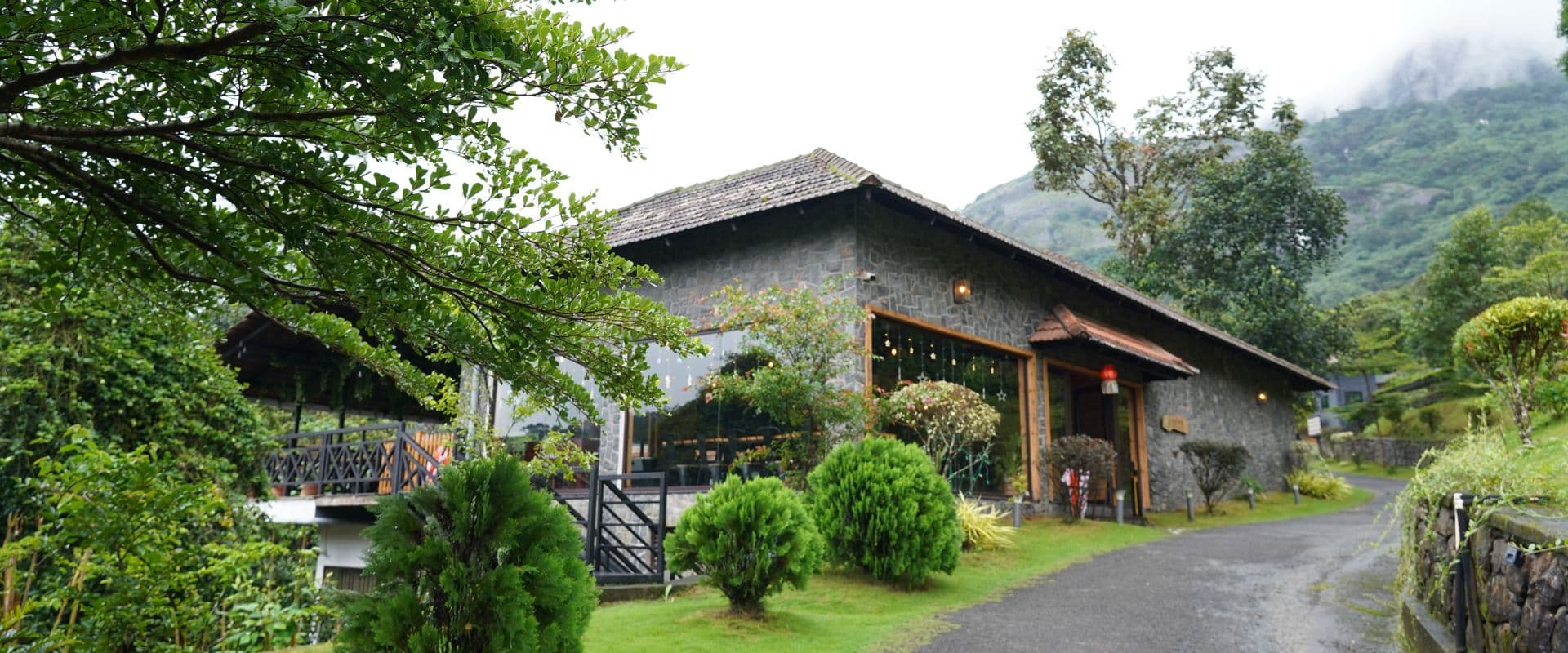
Located in Palia Kalan near Dudhwa National Park, 11 air-conditioned rooms with LED TVs, private bathrooms, daily housekeeping, complimentary Wi-Fi and parking. The small open garden is where the monsoon evenings happen, a drink outside after rain, the forest sounds carrying across in the dark. The bar is there for the afternoons that turn wet and long. The restaurant handles fresh meals without requiring a drive into town.
The staff know the buffer zone access points, the productive birding stretches along the rivers, and which mornings are worth the early start. That local knowledge is the difference between a monsoon trip that works and one that doesn't.
The perfect Dudhwa monsoon escape starts with a property that handles the season honestly. Clarks Inn does exactly that, modest, well-located, and genuinely useful when the rain sets in and the forest comes alive around it.