places to visit in bokaro: top attractions, parks & hidden gems
Bokaro Gets Overlooked. That's Precisely Why It's Worth Visiting.
Jharkhand's travel conversation defaults to Ranchi. Occasionally Deoghar. Sometimes the Betla forests. Bokaro, India's steel city, the planned industrial township on the Damodar River, sits in a category that most tourism writing skips entirely, the city that exists for industry and turns out to have a genuinely interesting character once someone stops looking through the industrial lens long enough to find it.
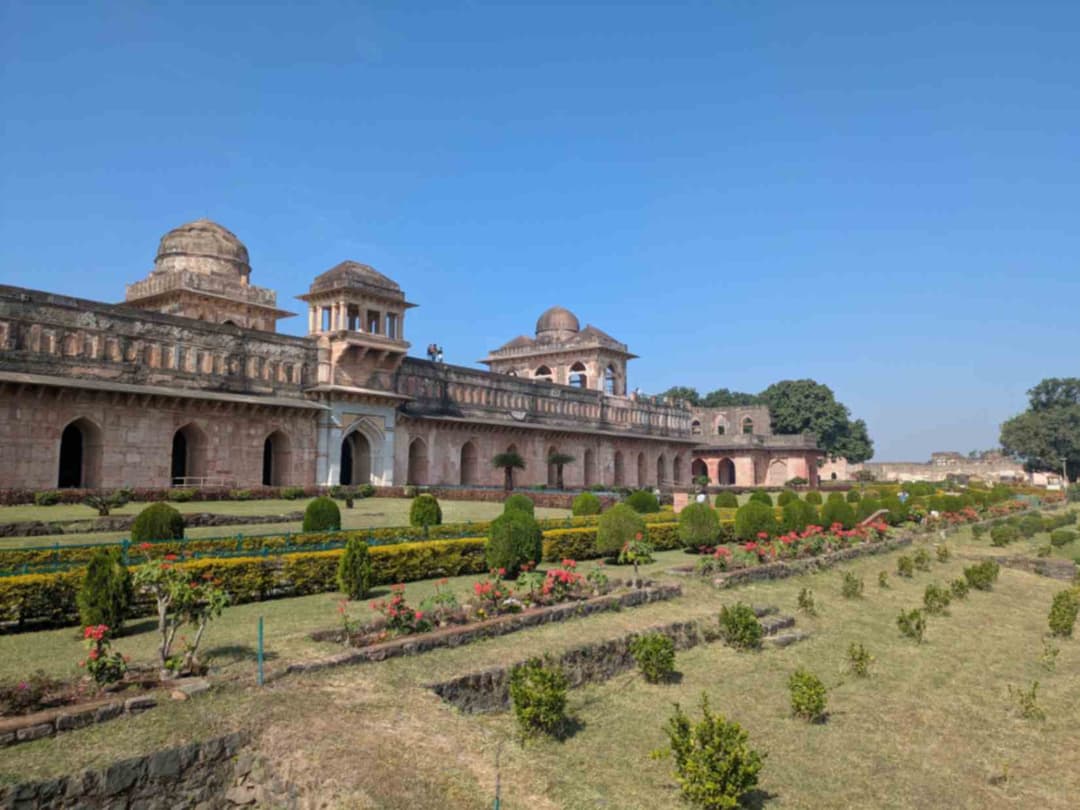
The places to visit in Bokaro cover more ground than the steel plant tour that the city's reputation suggests. The lakes, the city park that urban planning rarely gets right, the temples, the gardens, the surprisingly green landscape that a planned township produces when the original design actually had space built into it. Bokaro was designed. Not grown organically over centuries. Designed. The Soviet-influenced town planning that gave it wide roads, green belts, and the sector organisation that makes navigation logical rather than chaotic also gave it the parks and water bodies that most Indian industrial cities sacrificed for density.
Here's what's actually worth finding.
City Park: Where Bokaro Shows Its Planned Character
The City Park is the first places to visit in Bokaro answer that residents give and that visitors consistently underestimate from the description. It's a park. How good can it be?
Considerably good, as it turns out. The park covers significant area in Sector 4, the green lungs of the planned township that the original designers allocated and that decades of municipal management have maintained at a level that most comparable Indian cities haven't. The rose garden within the park produces the bloom that the annual rose festival celebrates. The fountains. The children's zone. The walking paths that the early morning Bokaro resident uses as the primary fitness infrastructure.
The specific asset is scale. Urban parks in India either feel like pocket gardens in a concrete landscape or they're the large regional parks that require driving. The City Park is neither, it's the walkable, genuinely spacious green space that planned cities can produce and organic cities rarely do.
Bokaro Steel Plant: The Industrial Scale Worth Understanding
The steel plant isn't on most tourist itineraries. It should be on more of them.
Bokaro Steel Plant is one of the four integrated steel plants built in the Nehru era, the industrial foundation of independent India's development ambition, built with Soviet technical assistance in the 1960s and producing steel at a scale that few individual facilities globally match. The organised tour of the facility, available to visitors through prior arrangement, is the specific experience that the city's industrial character offers and that no hill station or heritage fort provides. The blast furnaces. The rolling mills. The scale of industrial process that produces the steel India runs on.
This is not tourism for everyone. For the person whose curiosity runs toward how things actually work at industrial scale, the Bokaro Steel Plant tour is one of the more genuinely interesting experiences Jharkhand offers.
Jawaharlal Nehru Biological Park: The Wildlife Dimension
The Jawaharlal Nehru Biological Park sits in the city's green belt, the zoo that Bokaro's planned character accommodated because the space was allocated rather than squeezed in. The wildlife includes tigers, leopards, bears, deer, and the reptile collection. The bird aviary. The children's train that the families specifically use on weekend mornings.
The park is the places to visit in Bokaro entry for the family whose trip includes children who need the tangible wildlife encounter rather than the abstract appreciation of an industrial facility.
Garga Dam: The Water Body Worth the Drive
13 kilometres from Bokaro city. The Garga Dam on the Garga River, the reservoir that serves both the steel plant's industrial water needs and the leisure market that the surrounding landscape's quality justifies.
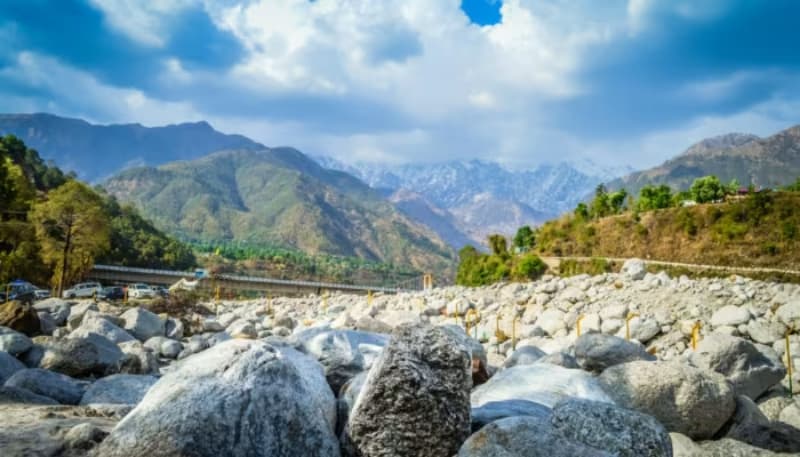
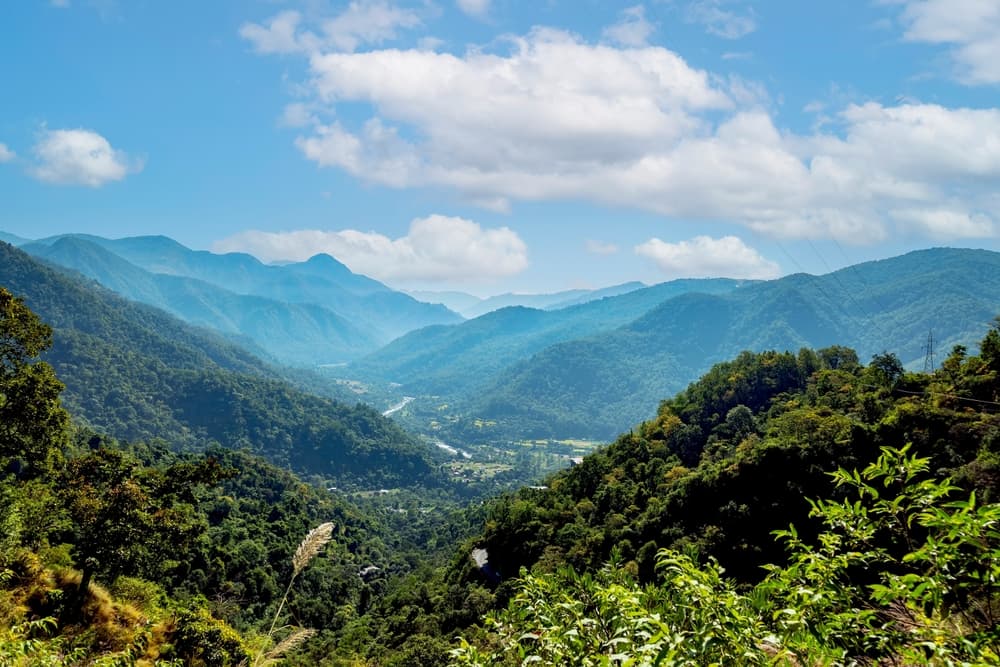
The dam and the reservoir sit in a setting that the industrial city's outskirts don't prepare the visitor for. The water, the forest coverage on the surrounding banks, the specific quality of a Jharkhand reservoir in the post-monsoon months, October and November specifically, when the water is full and the green hasn't faded.
Boating is available. The picnic infrastructure is basic but functional. The drive from Bokaro through the Jharkhand countryside is itself worth noting, the laterite soil, the sal forest patches, the agricultural landscape that exists between the planned city and the dam.
Tenughat Dam is 40 kilometres further, the larger reservoir on the Damodar River that combines the engineering interest with the landscape scale that the Garga Dam doesn't quite match.
Shiv Mandir and the Temple Circuit
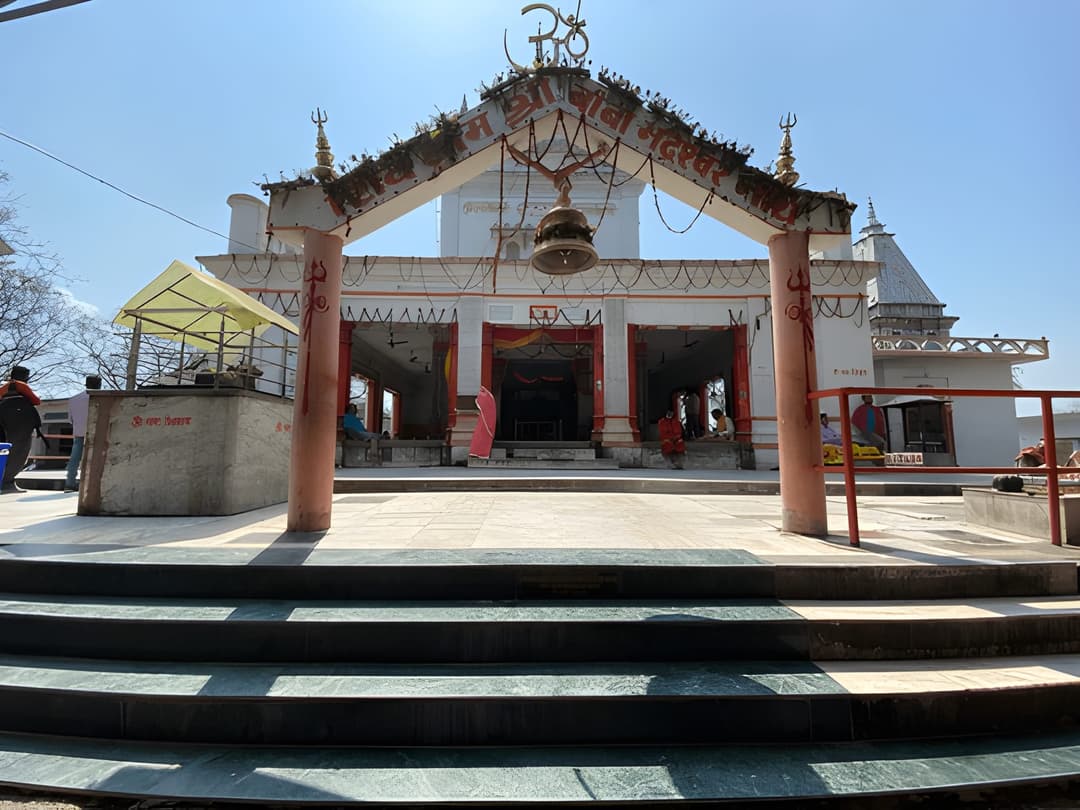
The Shiv Mandir in Sector 4, the city's principal temple, draws the religious visitor who completes the places to visit in Bokaro circuit with the cultural dimension alongside the industrial and natural. The Panchvati Temple. The Jagannath Temple in the city's older sections. The temple infrastructure that exists in every Indian city regardless of planning origin.
The sector organisation that Bokaro's planning produced means the temples are accessible from most accommodation without complex navigation. The morning visit to the Shiv Mandir and the post-visit breakfast in the Sector 4 market area is the specific local morning that the city visitor should build in.
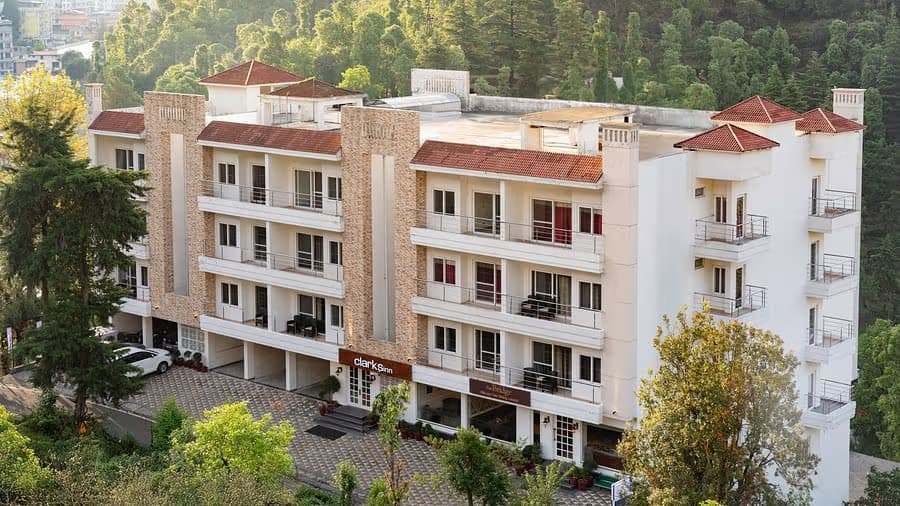
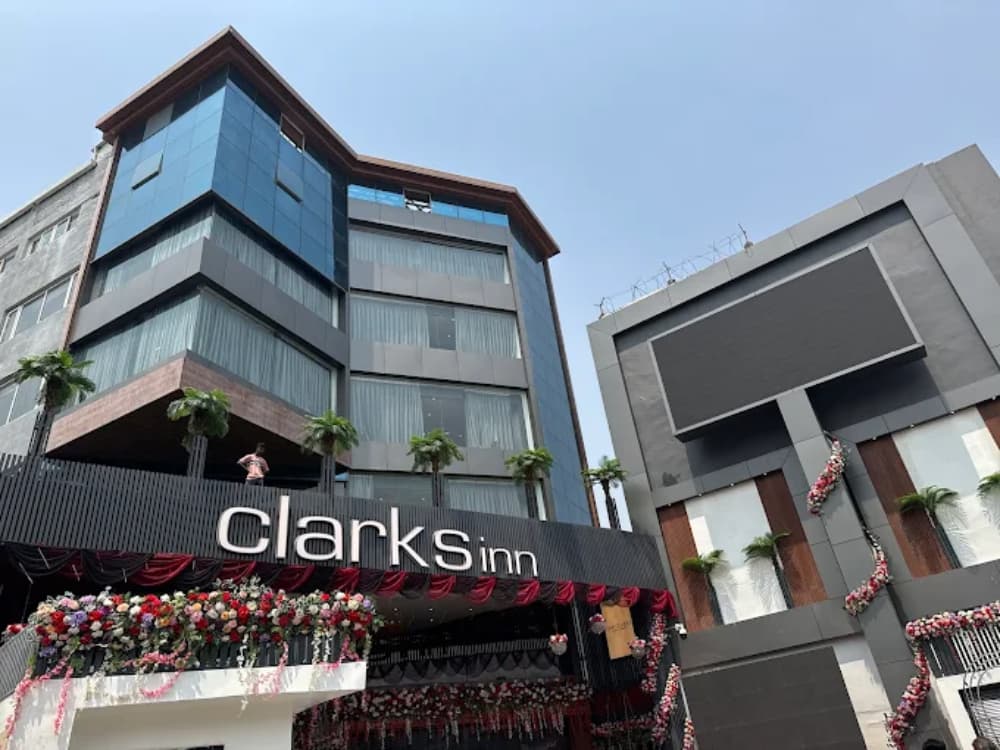
Clarks Inn Bokaro: The Business Stay That Works
In a city like Bokaro, limited branded hotel supply, high corporate demand from the steel sector, PSU, and industrial visitors, the hotel that offers brand consistency and operational reliability fills a gap that the unbranded market leaves open.
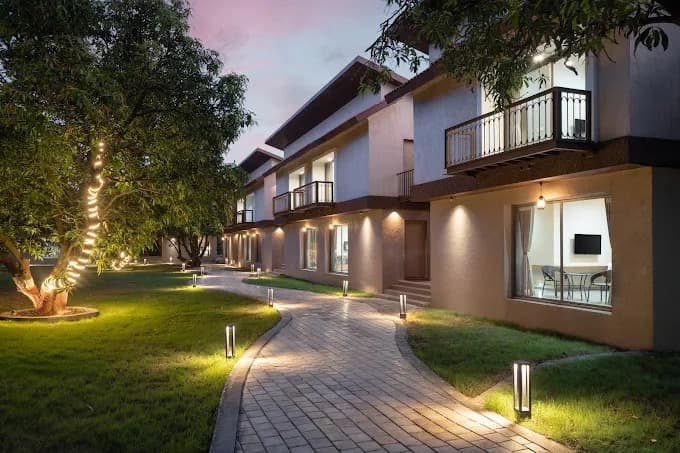
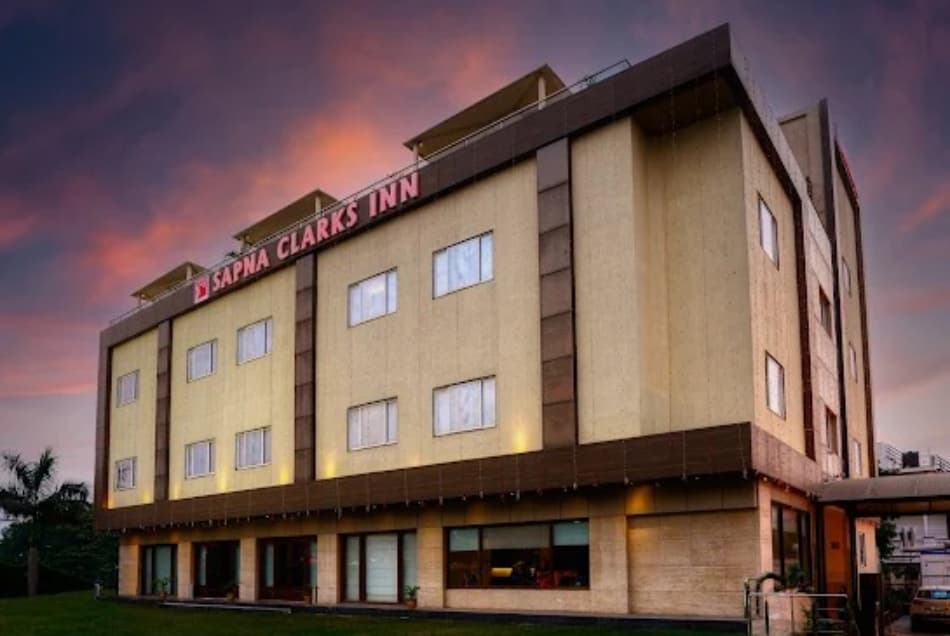
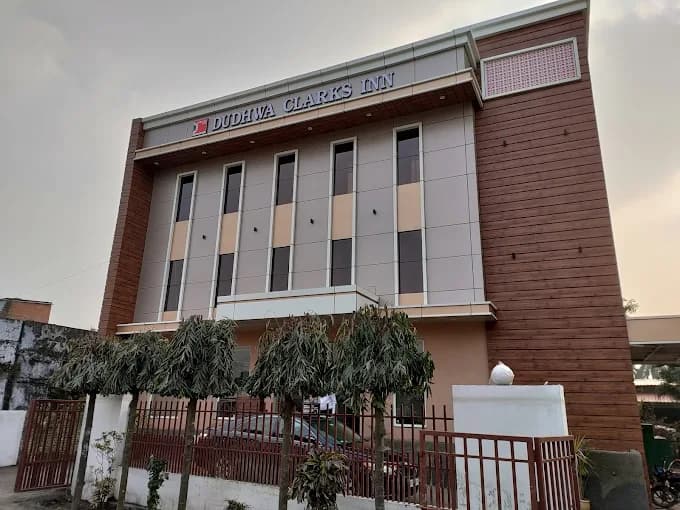
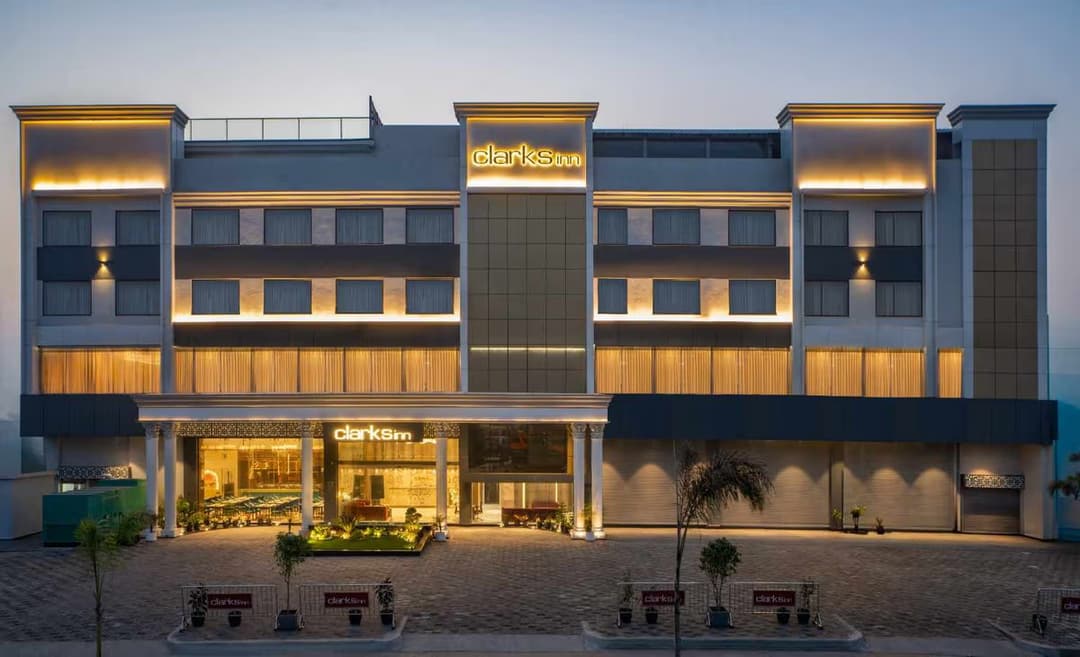
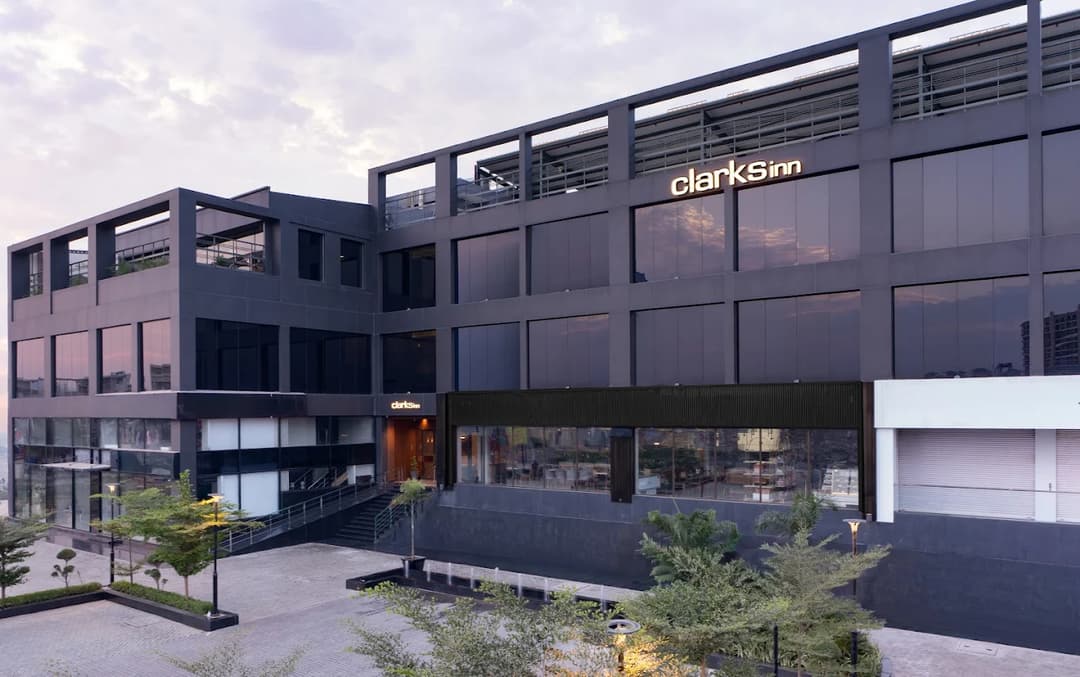
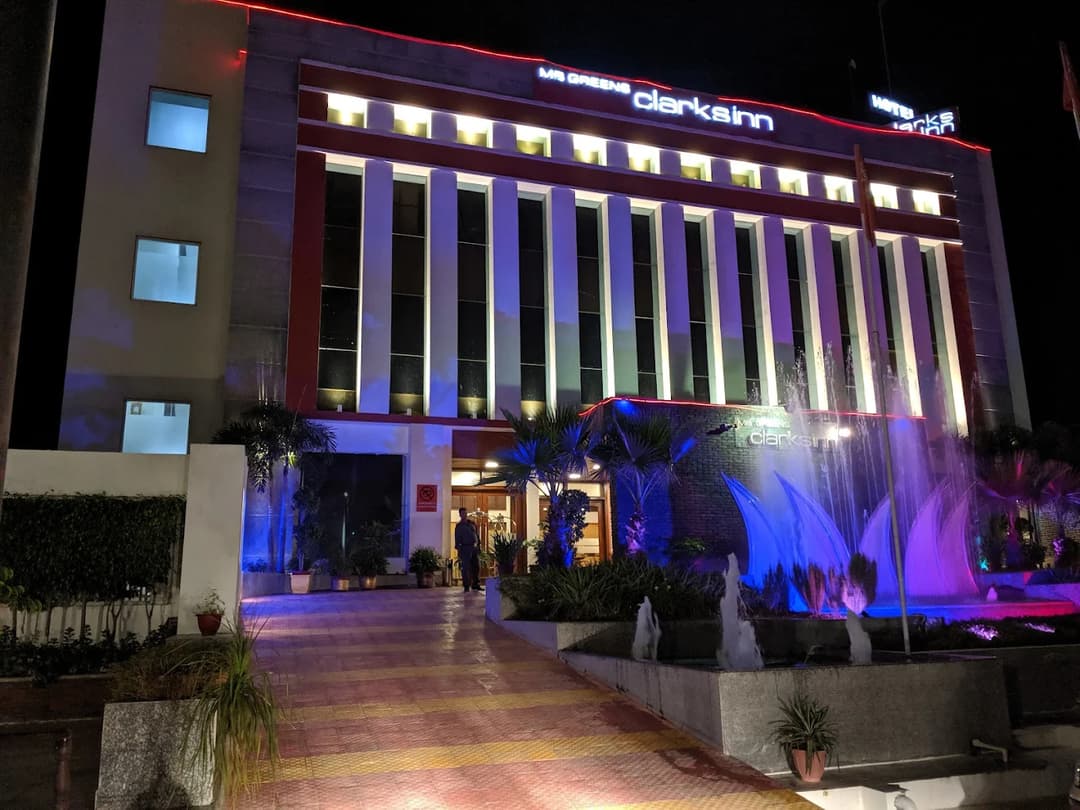
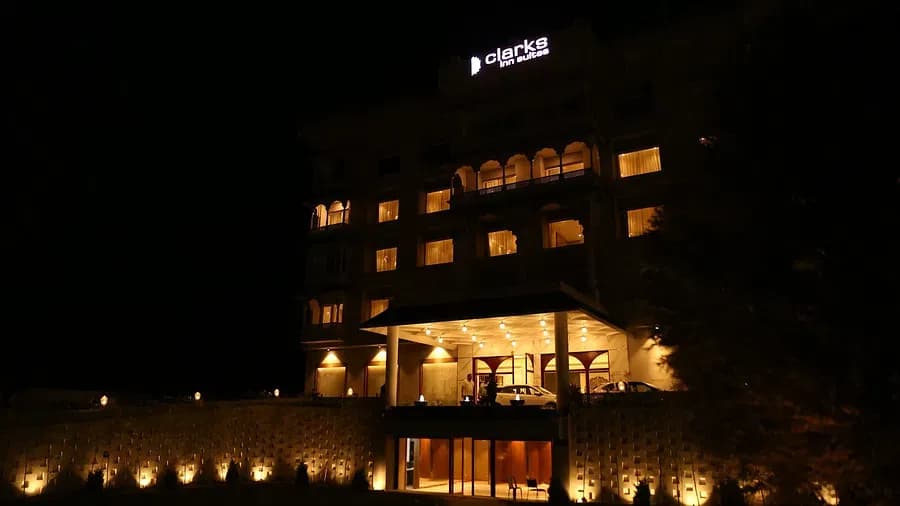
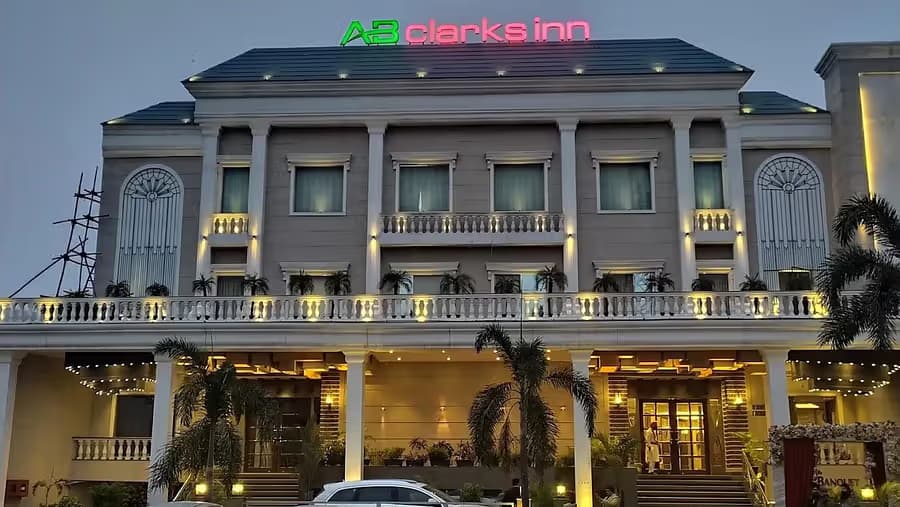
Clarks Inn Bokaro is that hotel. Part of the Clarks Hotels & Resorts, the brand operating across India with the service standards and operational consistency that non-metro business travellers specifically need.
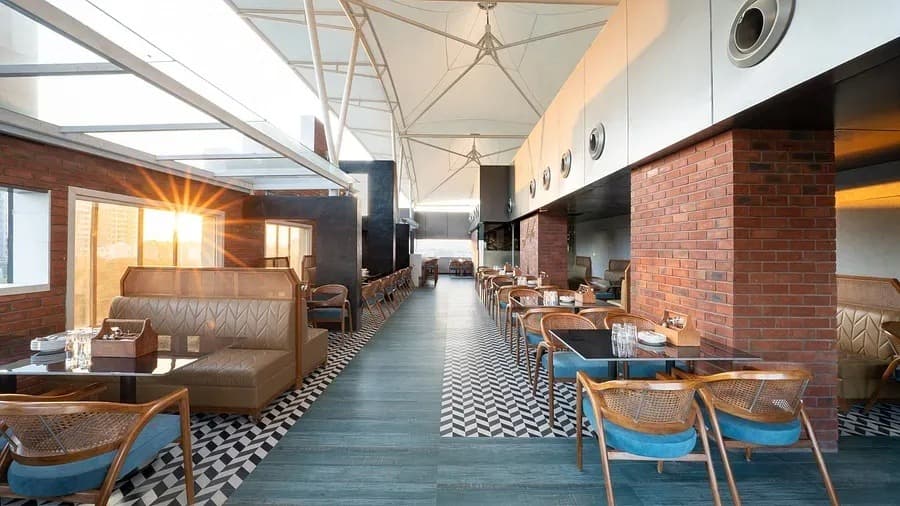
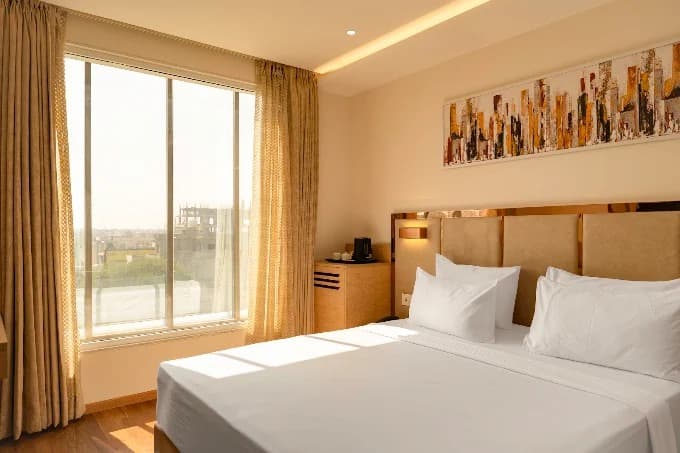
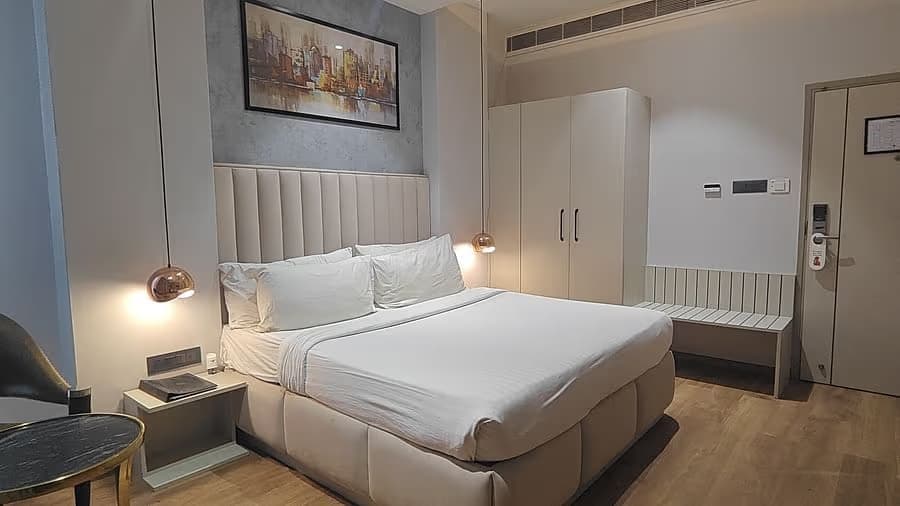
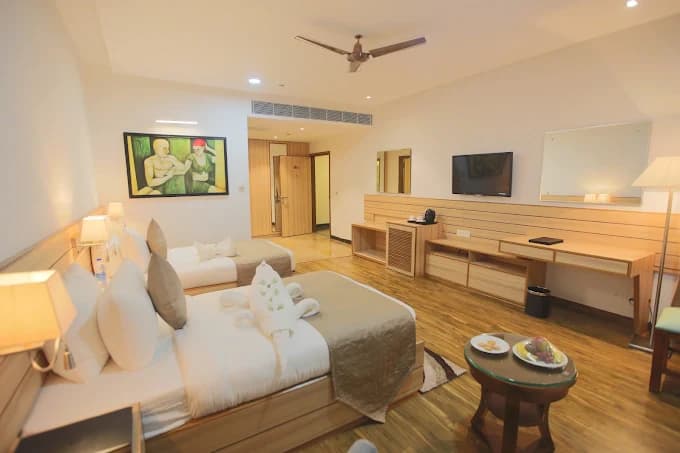
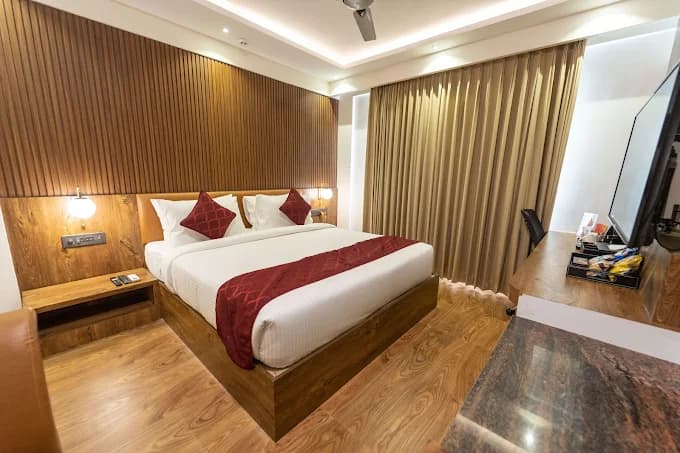
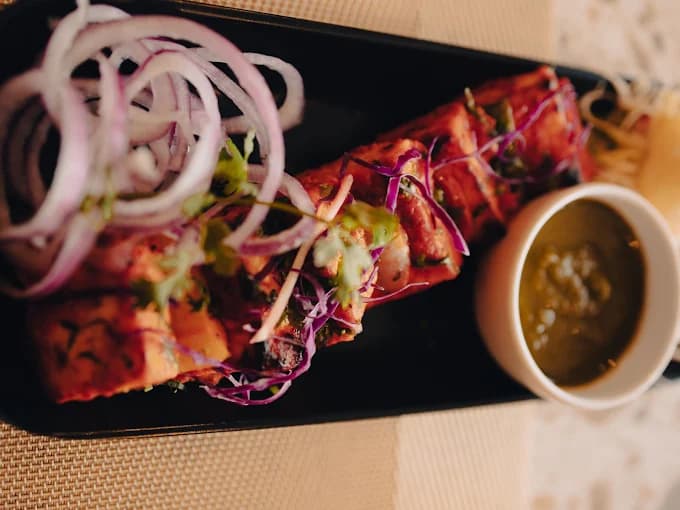
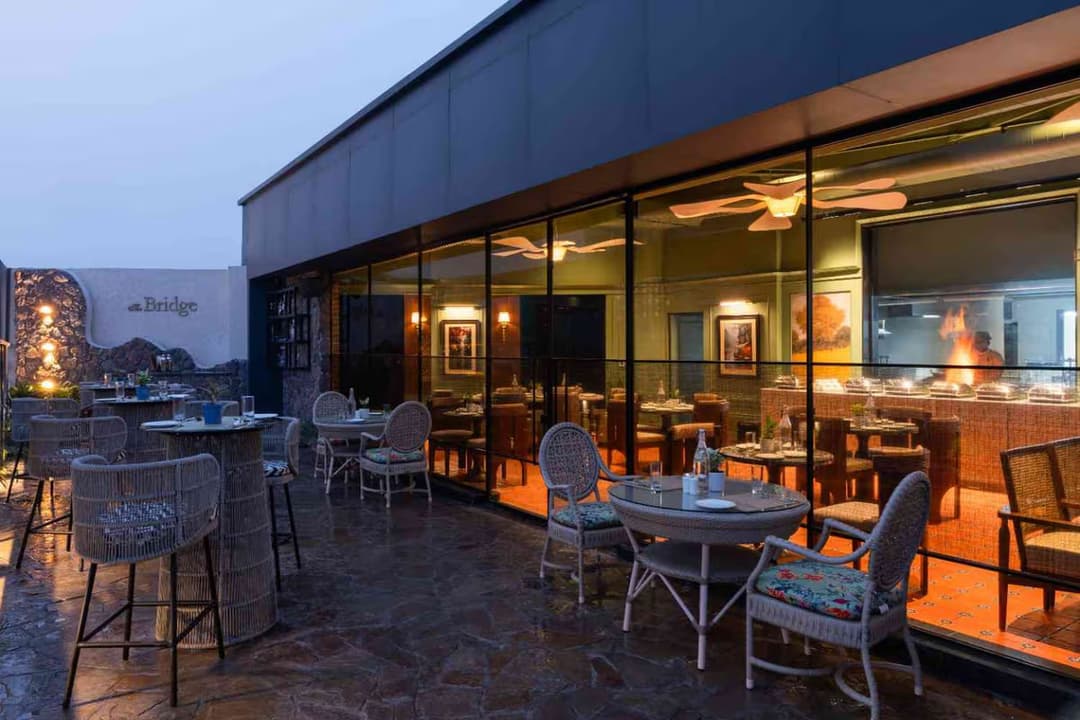
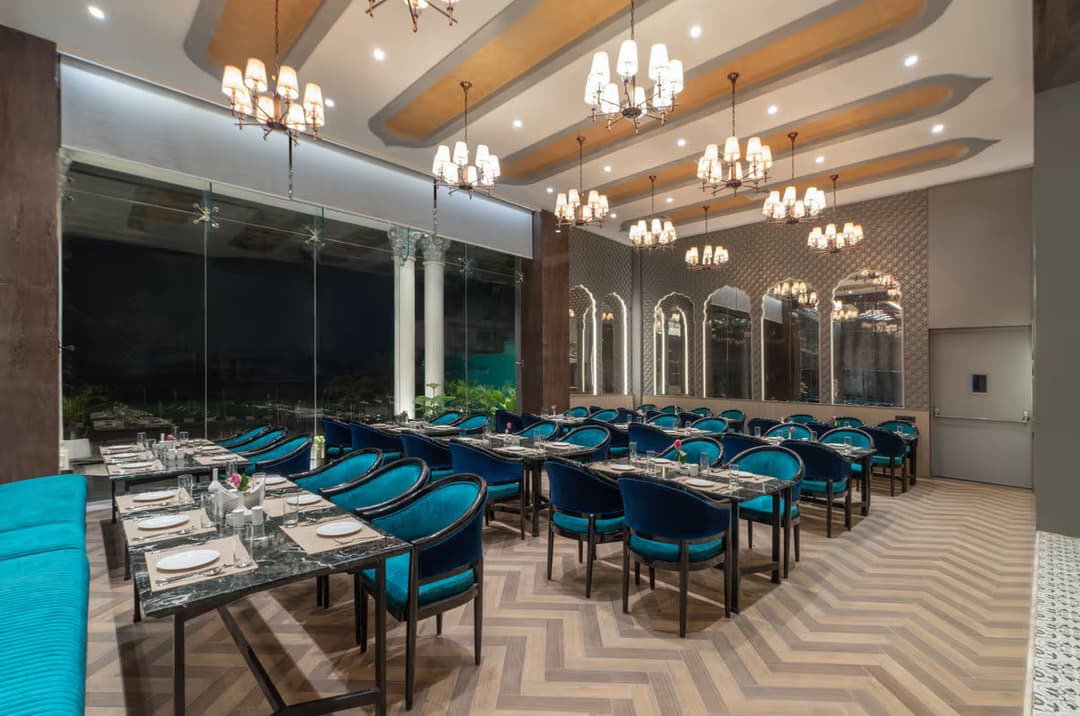
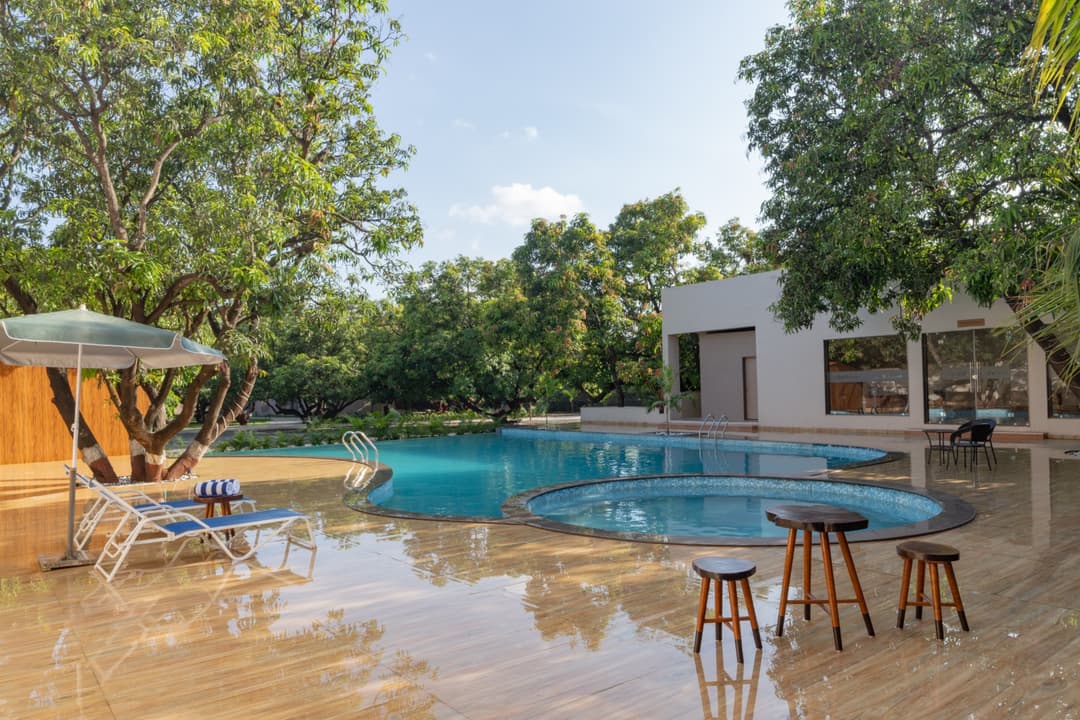
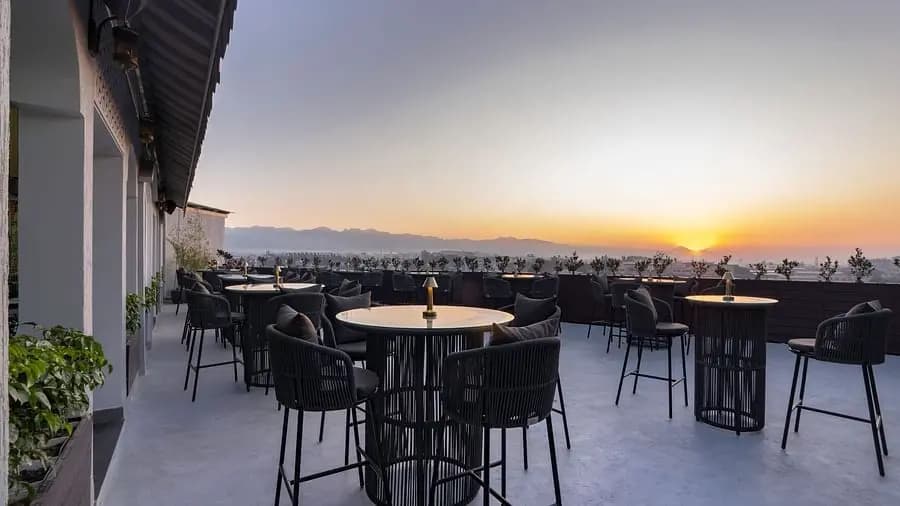
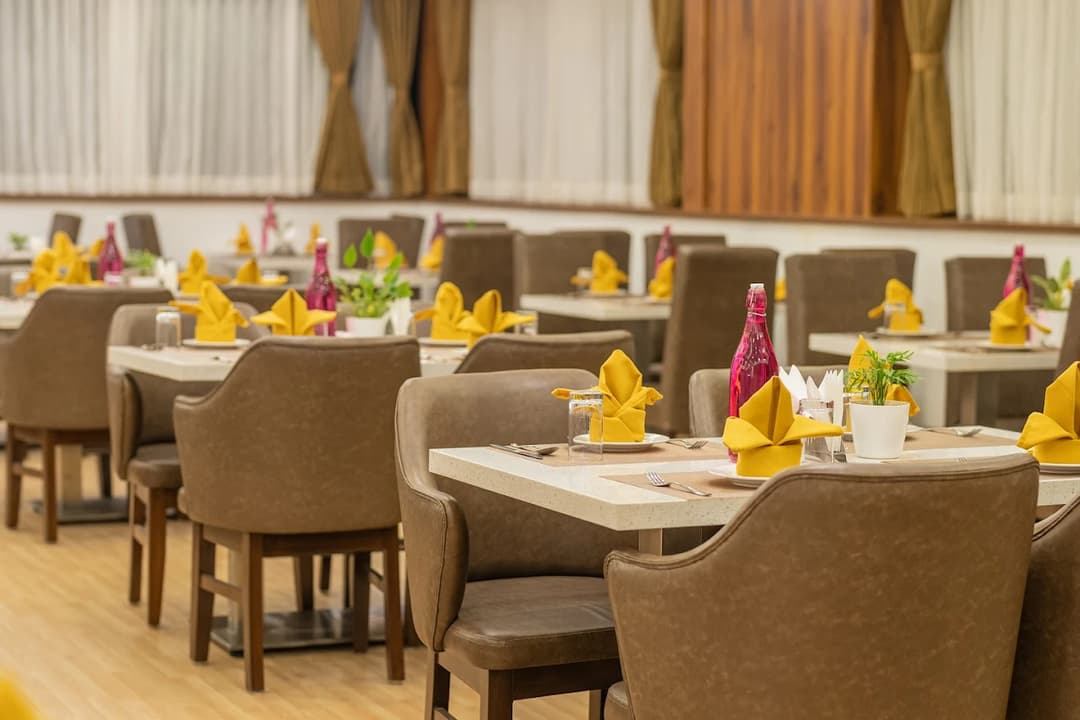
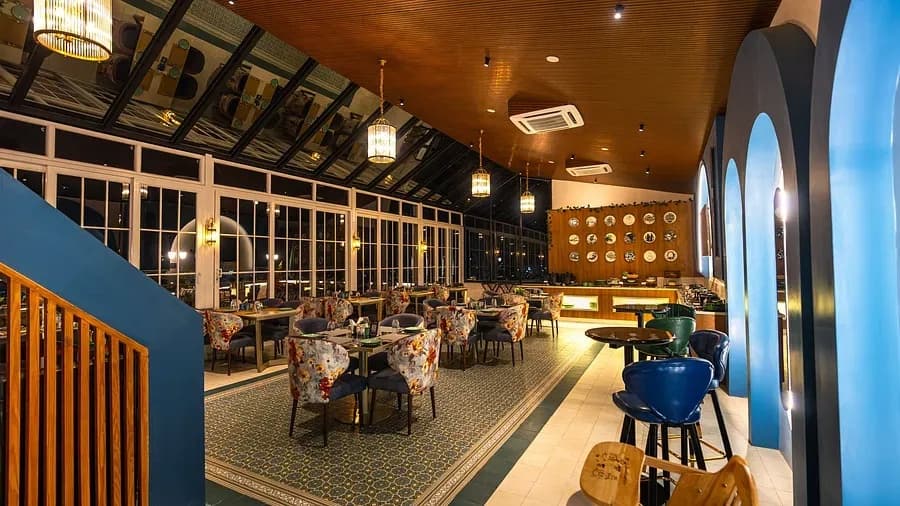
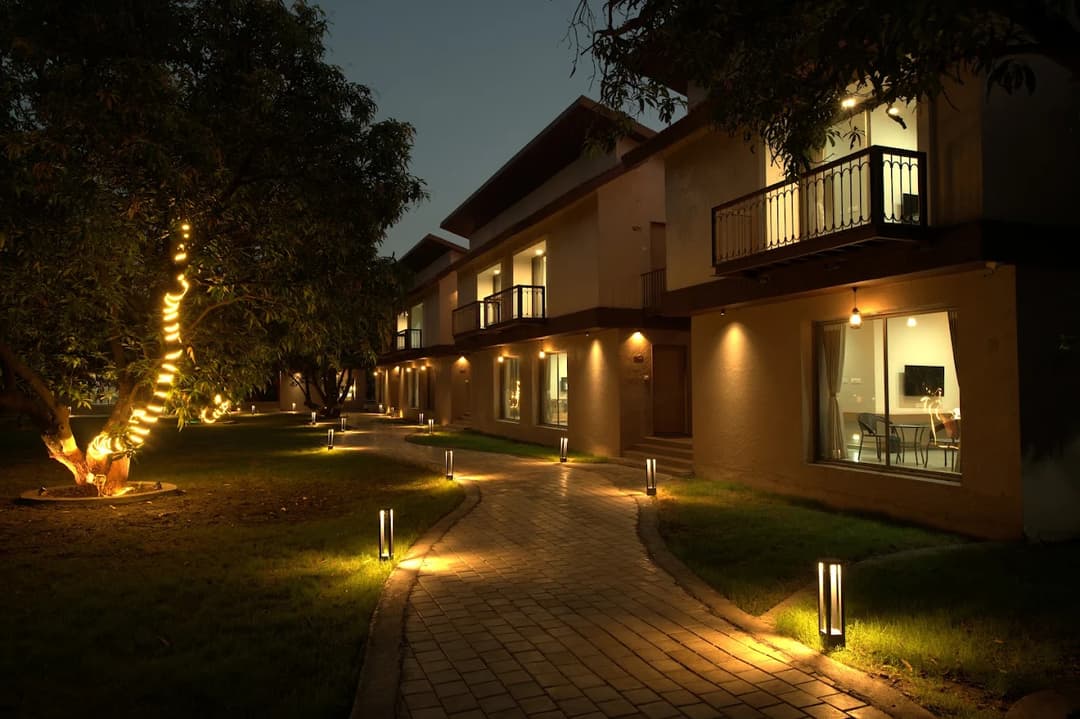
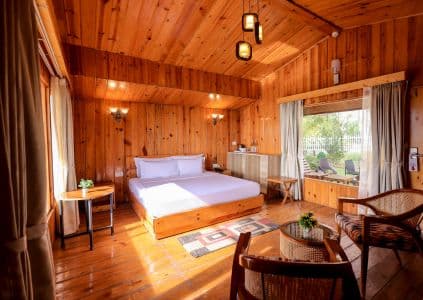
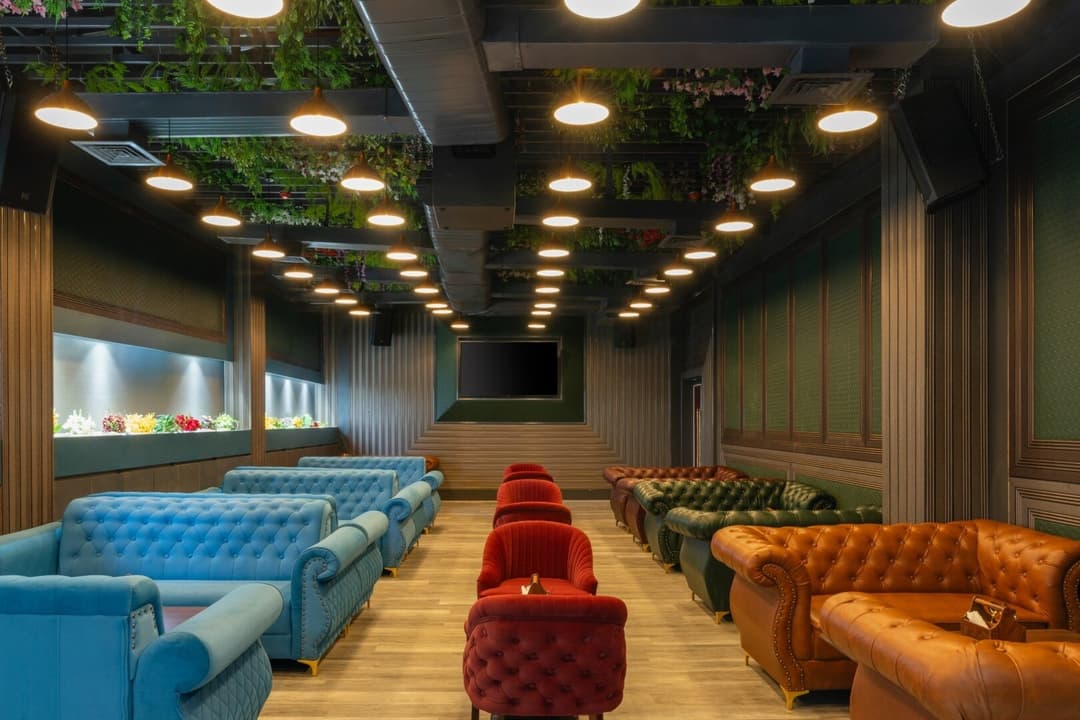
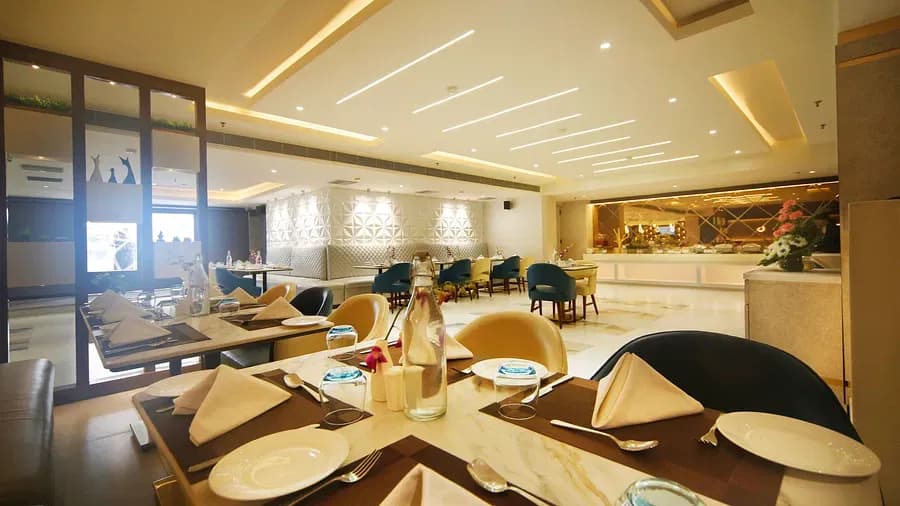
Well-appointed, air-conditioned rooms with all the required amenities. The functional comfort that the corporate stay requires without the frills that add cost without adding utility. The multi-cuisine restaurant, North Indian, Chinese, basic continental, handling breakfast through dinner for the in-house guest whose Bokaro stay is built around meetings rather than sightseeing.
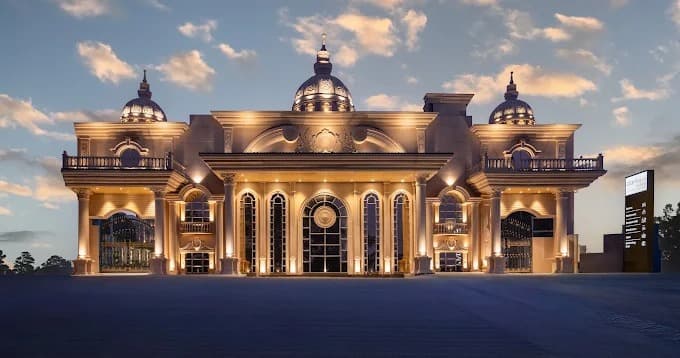
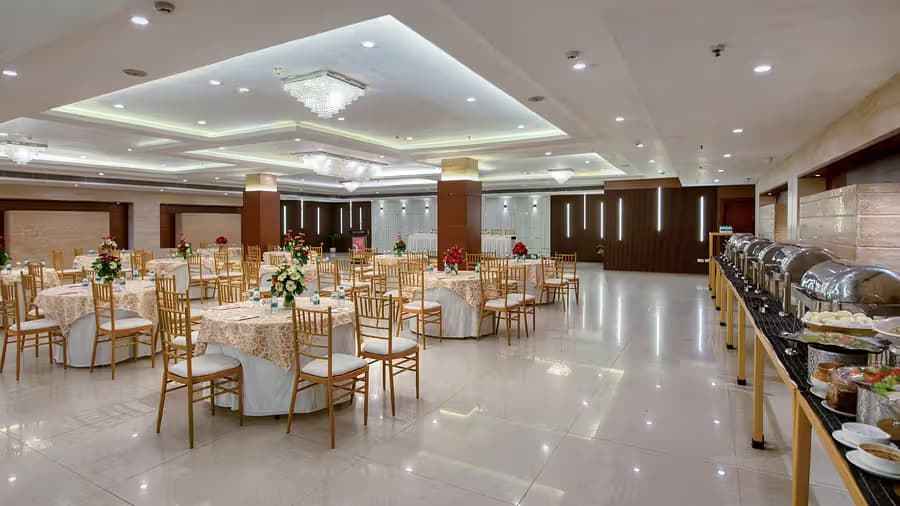
The banquet and conference infrastructure is the property's specific strength in a market where hotels double as the primary event venues. Corporate meetings, small business events, local gatherings, the Clarks Inn banquet space handles the Bokaro event market with the brand consistency that independent venues in the city don't always match.
The City That Rewards the Curious
Places to visit in Bokaro reward the traveller who approaches the city without the industrial preconception that its reputation creates. The City Park that urban planning rarely achieves at this quality. The Garga Dam that the countryside produces outside the city boundary. The biological park for the family morning. The steel plant tour for the industrial scale that nothing else in Indian tourism replicates.
Clarks Inn gives the places to visit in Bokaro itinerary its base, the consistent, reliable, operationally competent stay that the corporate visitor and the curious leisure traveller both need when the destination doesn't have a wide branded accommodation market to choose from.