Hotel Hospitality Management
Why Hotel Hospitality Management Is the Most Human Industry in the World
Every industry serves people. Hotel hospitality management is different, it serves people at the specific moments when they are most away from home, most dependent on strangers, most in need of something working without having to ask twice.
The business traveller arrived at 11:30 pm after a delayed flight. The family checked in with two tired children and one lost bag. The couple on their first anniversary trip who booked the room based on a photograph and are about to find out whether it resembles one.
These aren't abstract customer interactions. They're moments with stakes. And the discipline that makes them work rather than merely happen is hotel hospitality management.
What Good Hotel Hospitality Management Actually Looks Like
Mostly invisible. That's the first thing.
The hotel where every operational system is functioning correctly is the hotel where the guest doesn't notice the operation, they just experience the stay. Room ready when it should be. Breakfast served at the time advertised. Front desk knows the guest's name at second check-in because someone thought to put it in the system. When management is working, there's nothing to see.
The second thing is responsiveness. The guest who mentions a problem once and has it resolved before they've finished the sentence is in a well-managed property. The one still waiting at checkout is not. The gap between a guest noticing something and the property addressing it, the smaller that gap, the better the management.
Third: anticipation. Towels before the guest realises they're low. Late checkout offered before the business traveller has to calculate whether to ask. A restaurant reservation is suggested when the concierge knows the guest has an evening meeting. The guest doesn't consciously register these things. They rate them as excellent service anyway.
The Guest Experience: Where Management Becomes Visible
Hotel hospitality management reveals itself at the moments of transition, arrival, departure, the service request, the complaint, the unexpected problem. These are the moments that define what a guest remembers and what they tell people afterward.
Arrival is first and most significant. Two minutes at check-in set the tone for everything that follows. The associate who greets the guest by name, acknowledges the journey, handles the documentation efficiently, and explains the property in a way that's useful rather than scripted, that's management working at its most effective.
The complaint is the test. Handled correctly, acknowledged immediately, resolved genuinely, followed up to confirm, it turns a negative experience into a loyalty moment. Staff who don't fear the guest problem see it as the opportunity to demonstrate exactly what the property is capable of. That confidence is trained. It doesn't arrive by accident.
The People Behind the Property: Staff as the Real Product
The most sophisticated property management system, the most carefully designed room, the most considered menu, none of it matters if the person in front of the guest doesn't understand what they're delivering and why it matters.
The housekeeping team that takes the brief seriously. The restaurant staff who understand the food they're serving. The front desk team that handles twelve different guest scenarios before 9am without losing composure. These are the people that guests describe when they recommend a property.
Staff training in high-performing hotel cultures isn't a cost line. It's the product. The guest doesn't review the PMS software. They review the person who used it.
Technology and Hotel Hospitality Management: The Balance That Matters
Technology is the enabler, not the product. The property management system that makes check-in faster. The platform that sends the room-ready message before the guest has to ask. The feedback system that captures the experience while it's fresh.
All of these make good management more efficient. None of them replace the human judgment that the guest interaction specifically requires. The guest who needs something unusual, something unscripted, something that a chatbot can't resolve, that's where the person matters. Technology handles the volume. People handle the moments.
What Separates Good from Exceptional
Good hotel management solves problems. Exceptional hotel management prevents them.
The guest at an exceptional property often can't name what they're feeling by the second morning. They just know the stay is working. No friction. No gap between what was expected and what was delivered. The problem that didn't arise because someone thought ahead.
That's not luck. It's culture built through years of operational discipline and the specific training that produces staff who think before the guest has to.
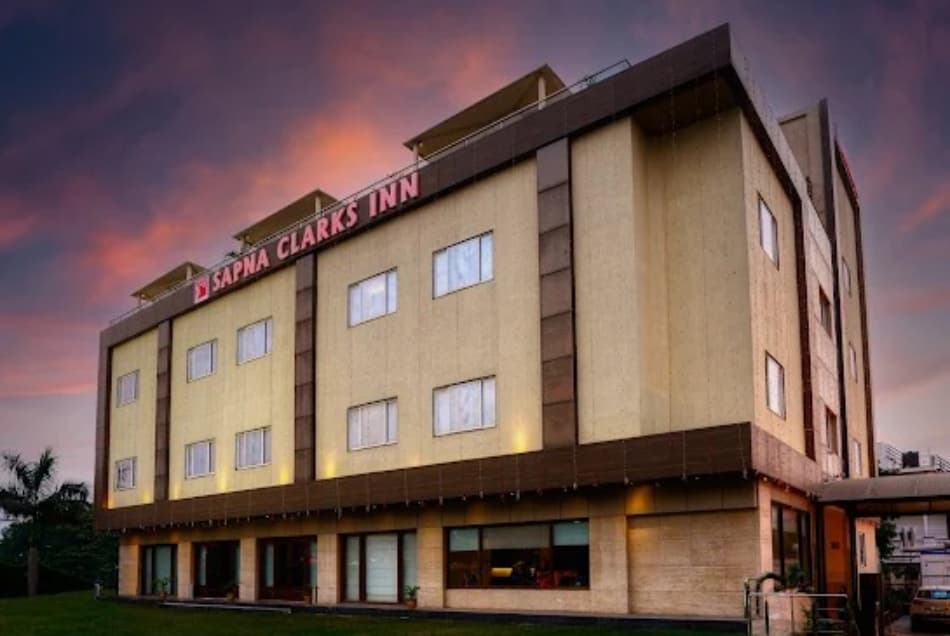
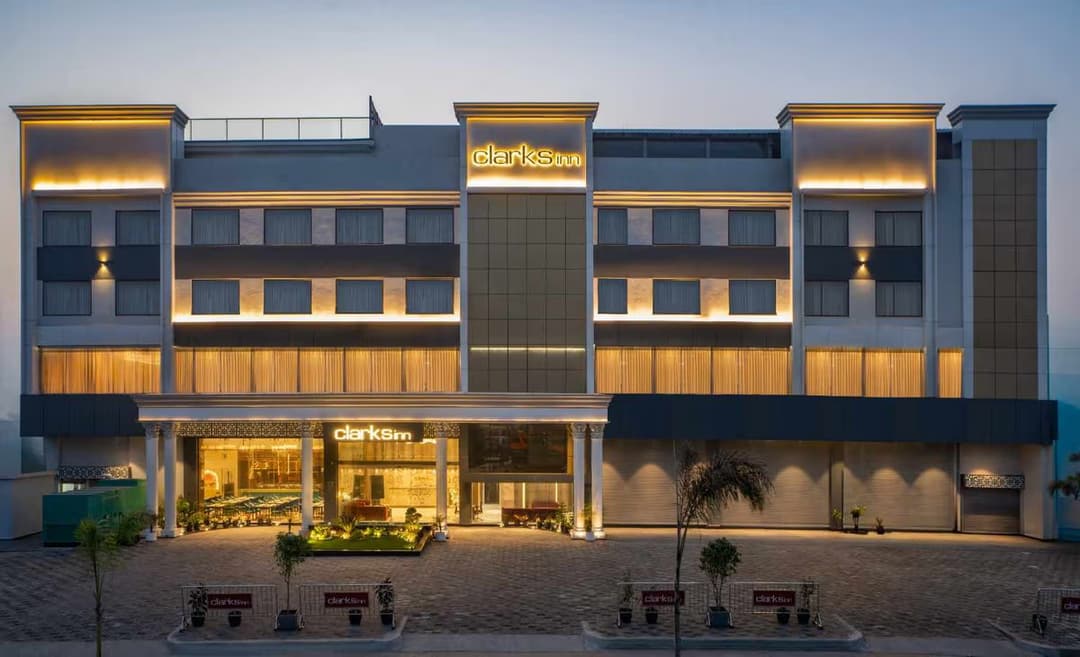
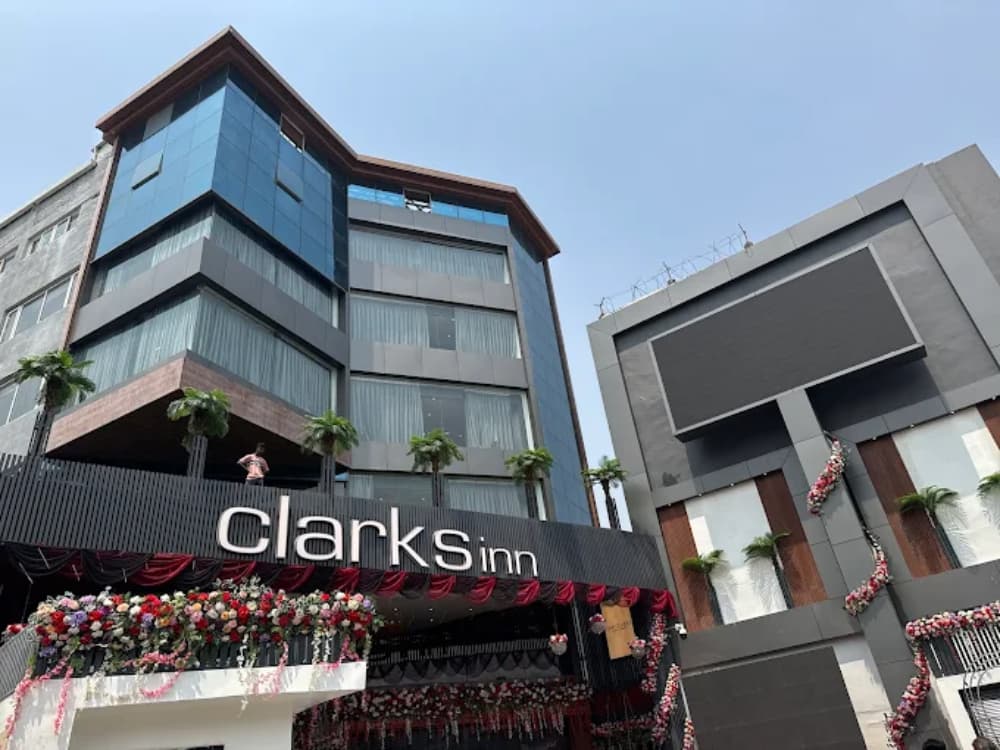
The Clarks Hotels and Resorts
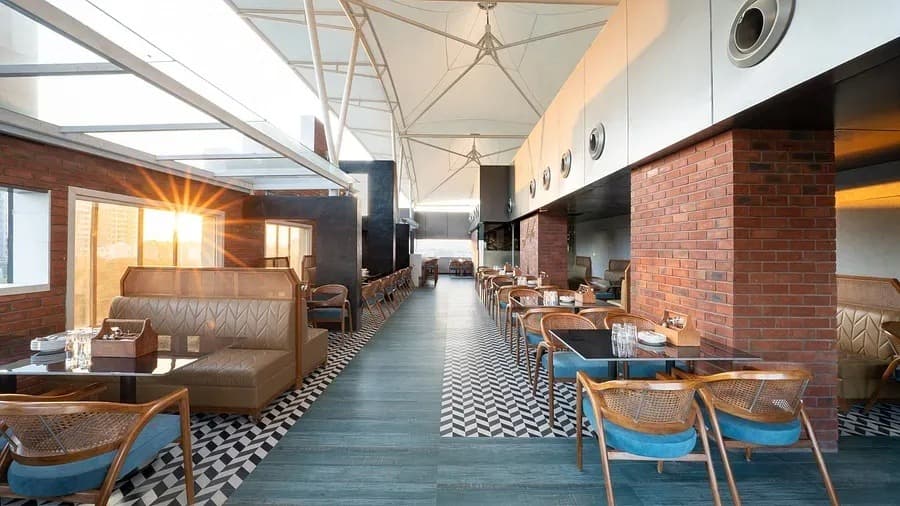
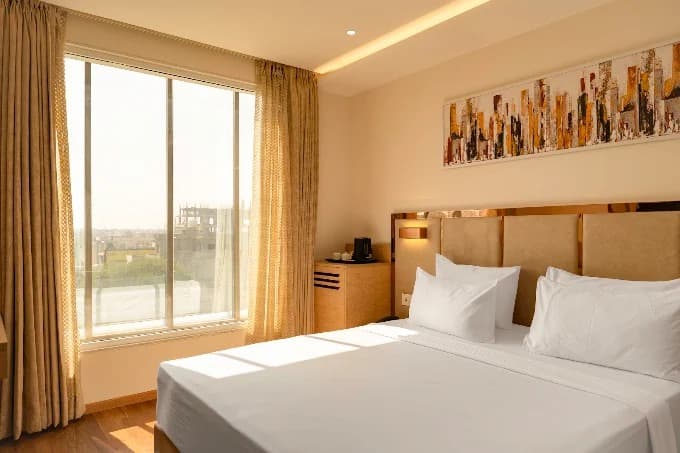
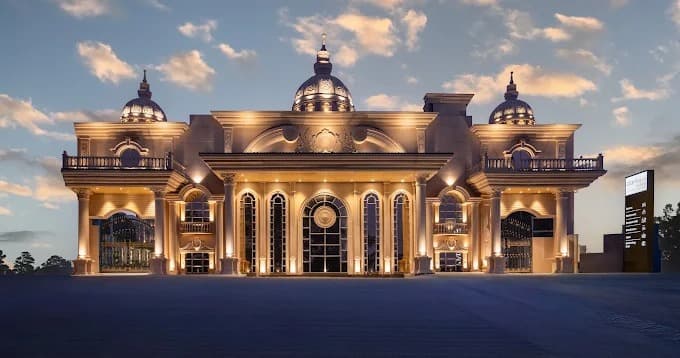
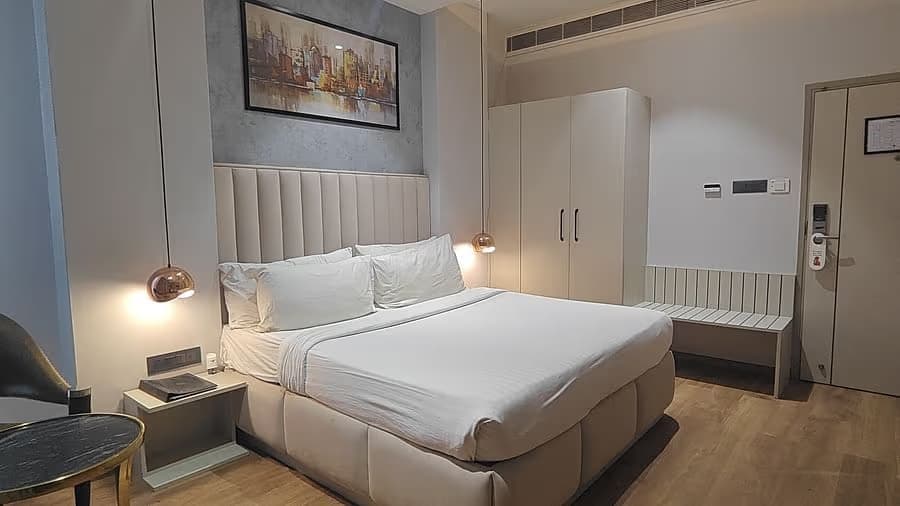
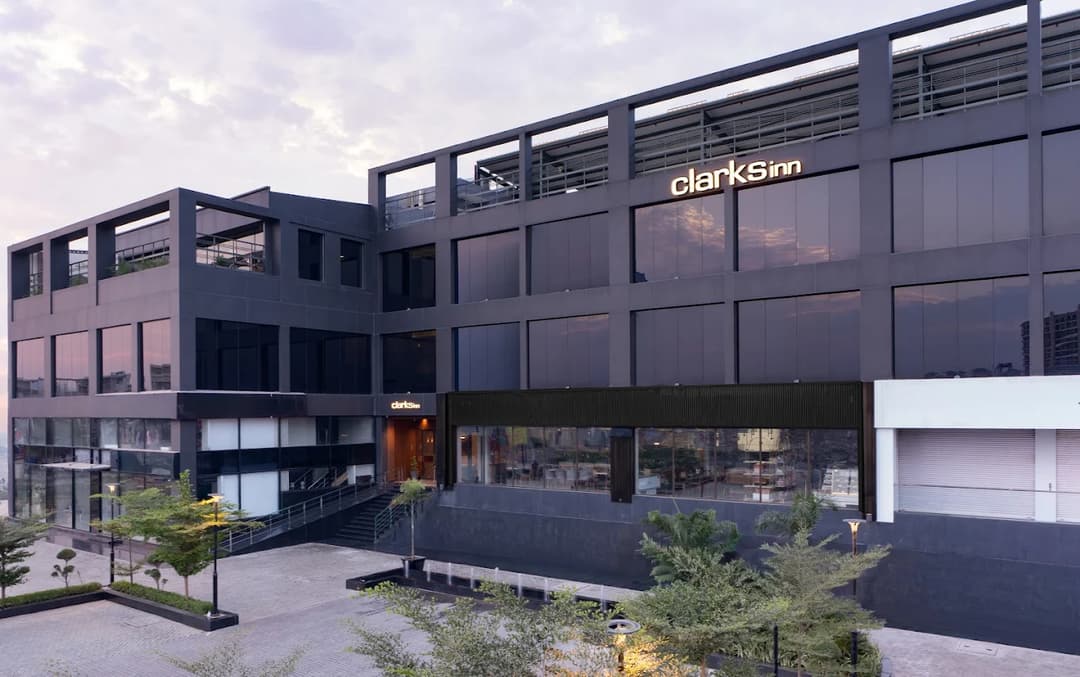
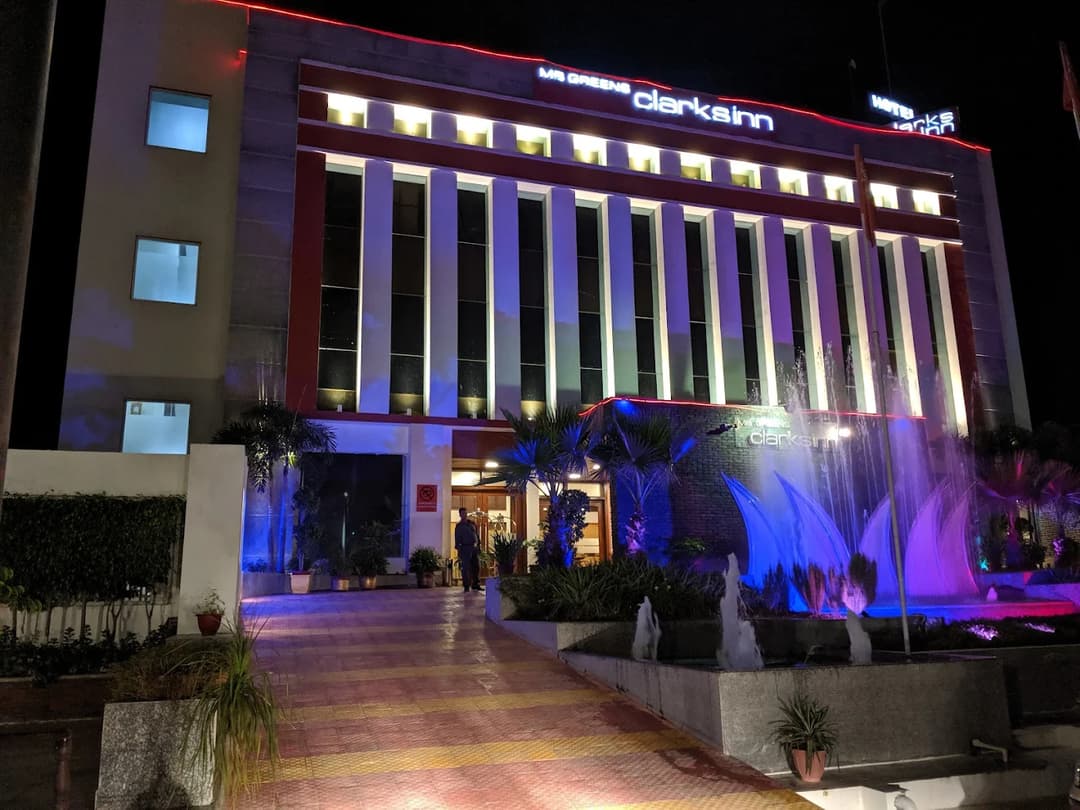
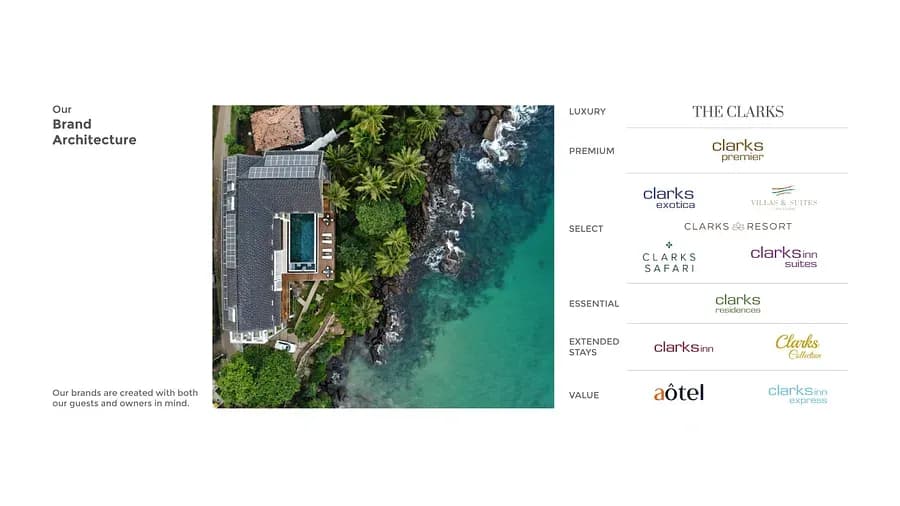
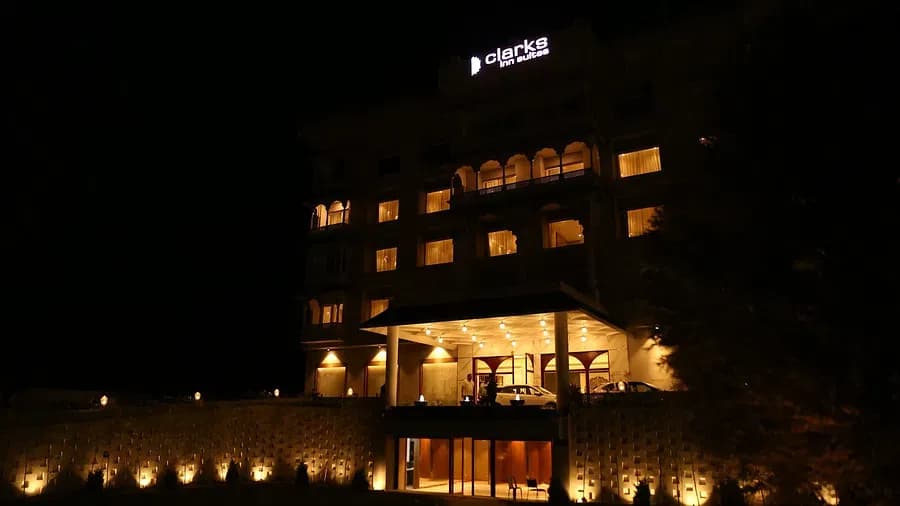
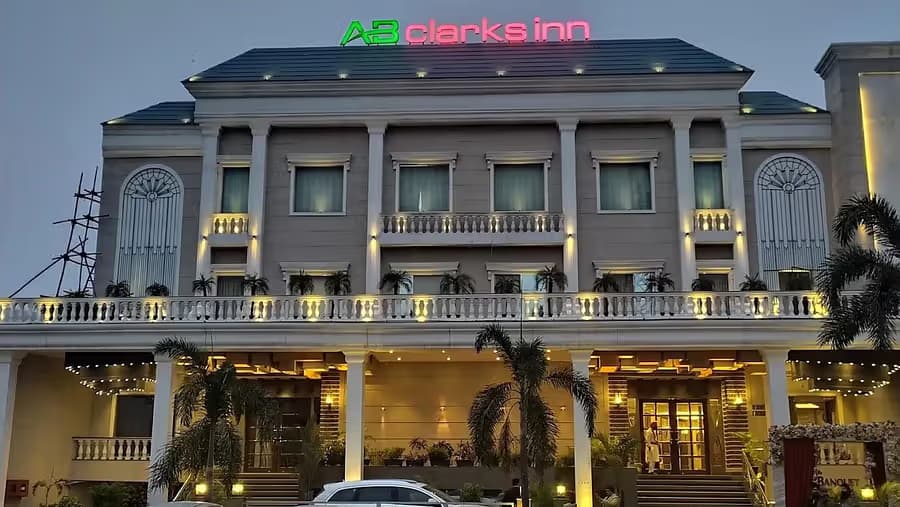
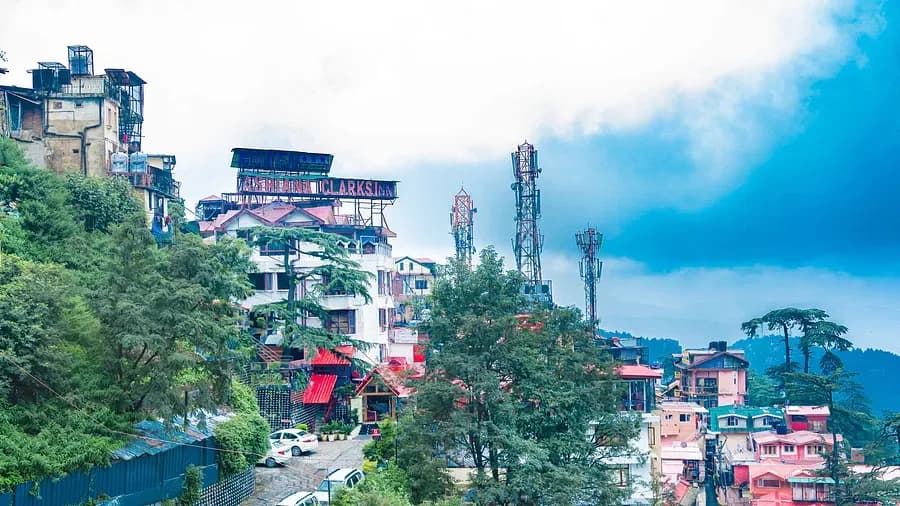
Since 1950. Properties across India, each carrying a service standard that seven decades of consistent hotel hospitality management practice produces. Attentive without being intrusive. Operationally reliable without being mechanical. The specific warmth that comes from a culture where the staff understand what they're doing and why it matters.
The best hotel hospitality management is not a system. It's a culture. At Clarks, it's been the culture for over seventy years, and it shows in the stay rather than on the brochure.