2-Day Monsoon Itinerary for Sasan Gir National Park
Why Visit Sasan Gir in Monsoon
Most people don't think about Sasan Gir in the rain. The standard advice points to October through June, the safari season, the dry forest, the predictable wildlife sightings. July and August are when the park closes for regeneration, and the visitor who arrives in the monsoon window finds a Sasan Gir that the safari season never shows.
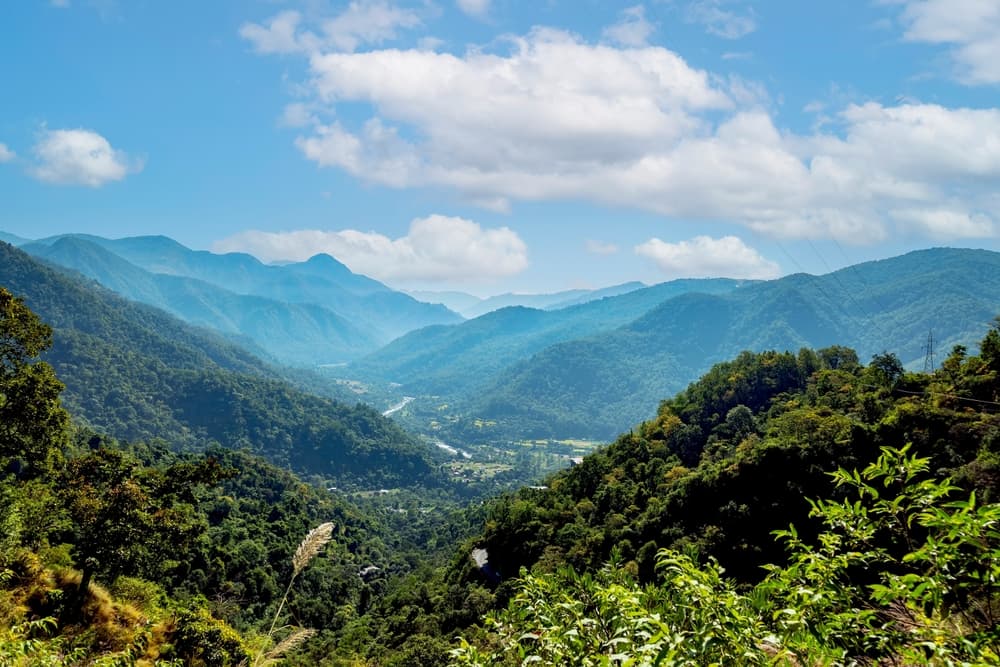
The forest turns the specific deep green that the Kathiawar dry deciduous landscape produces when the Arabian Sea rainfall arrives. The rivers that are dust in April run full. The Hiran and the Shetrunji carry the water that the whole ecosystem depends on through the year. The landscape that the safari jeeps run through looks like a different place entirely.
The Monsoon Itinerary for Sasan Gir National Park works specifically in the weeks before and after the full park closure, June and the post-monsoon opening in mid-October are the windows where the forest is at its most vivid and the crowd is at its thinnest. This 2-day itinerary covers that window properly.
What to Know Before You Go
Gir National Park closes to safari from mid-June to mid-October. The Devalia Safari Park, the enclosed interpretation zone, remains open through most of the monsoon period and is the wildlife access point for this itinerary. Check the specific closure dates before finalising travel.
The roads around Sasan are navigable in normal monsoon rain. Heavy rainfall can affect the approach roads, check conditions before departure from Junagadh or Ahmedabad. Pack for the rain specifically, waterproof layer, comfortable walking shoes that handle wet ground, and a dry bag for the camera.
The wildlife during monsoon behaves differently from the dry season. The prey species are spread through the forest rather than concentrated at water sources, which means sightings require patience rather than simply positioning at the right waterhole. The birdlife, however, is at its most active and most varied, the monsoon months produce species that the dry season doesn't.
Day 1: Arrival, Devalia Safari Park, and the Forest Evening
Morning arrival in Sasan. Check in, leave the bags, and head directly to Devalia Safari Park before the afternoon rain builds. The 2-Day Monsoon Itinerary for Sasan Gir National Park makes Devalia the Day 1 priority because the afternoon window at the interpretation zone in monsoon is the specific wildlife experience the season produces.
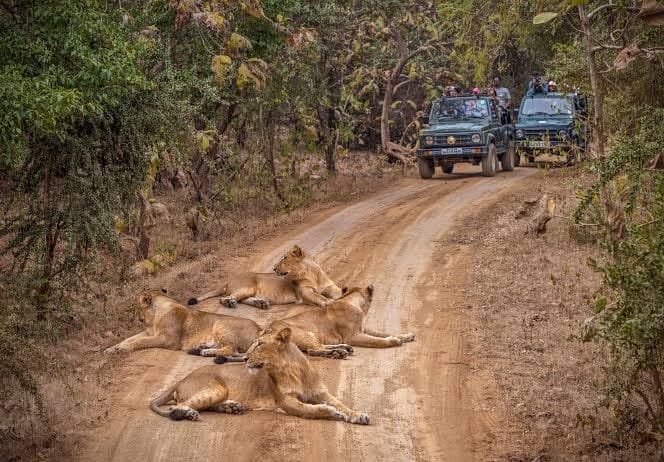
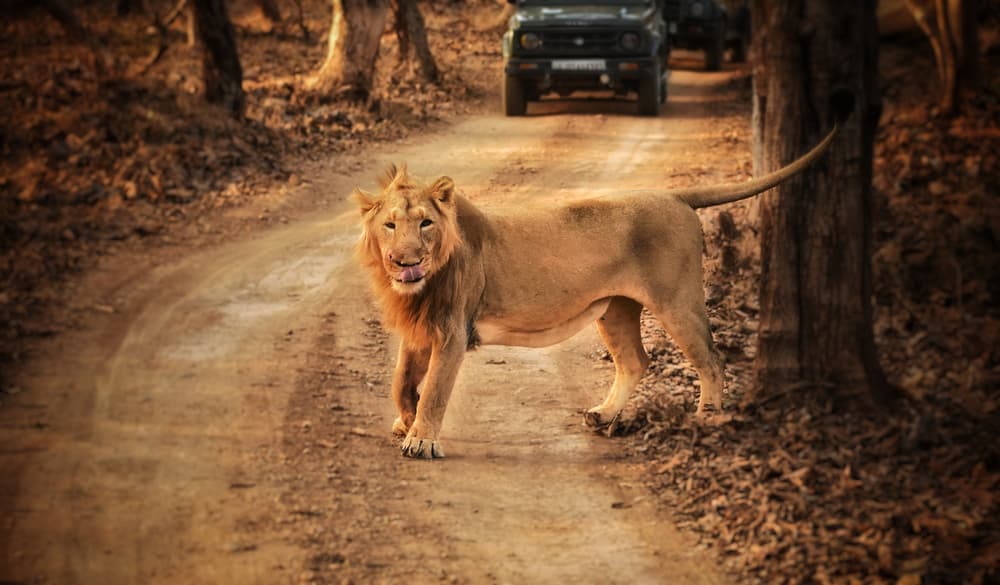
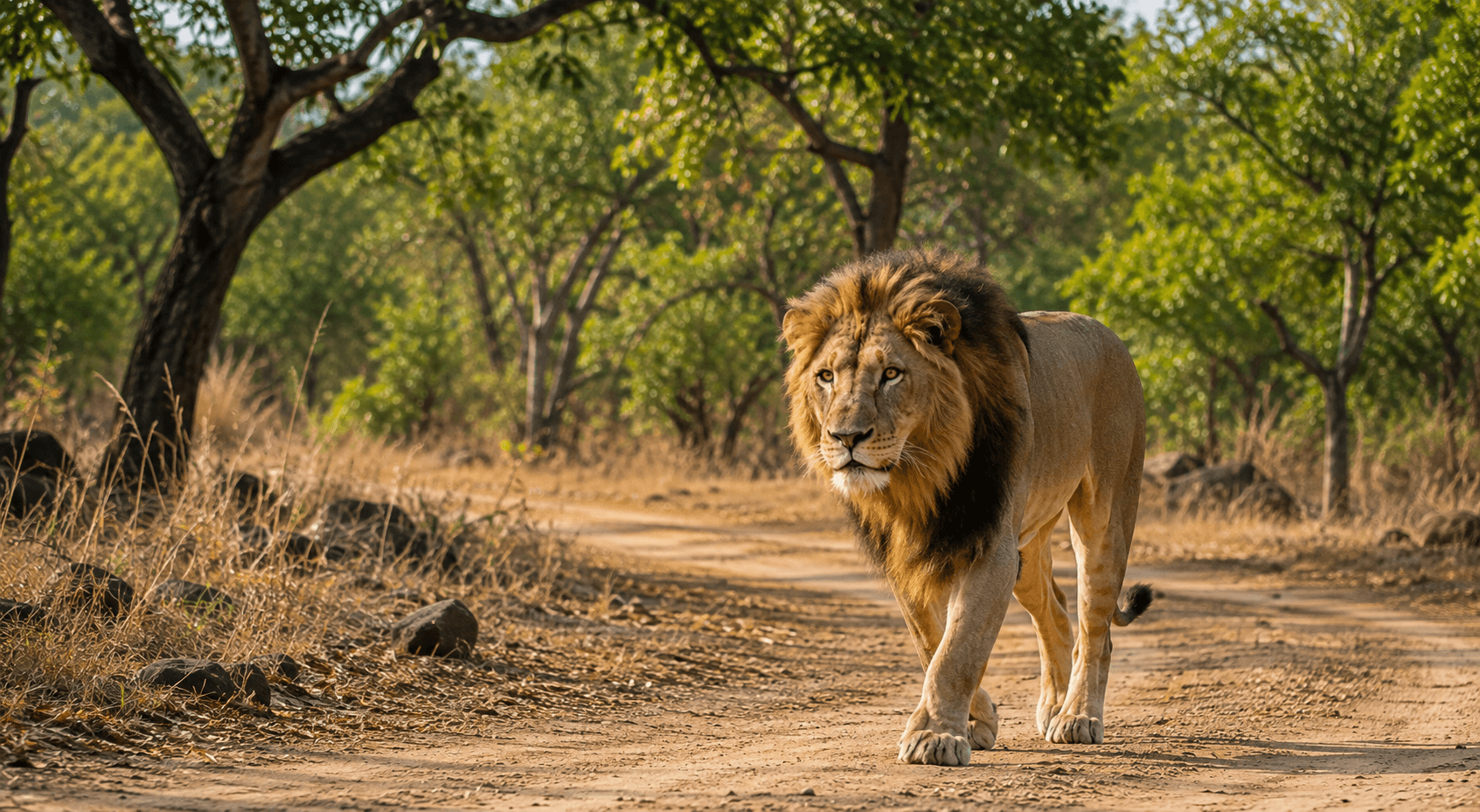
Devalia is a 412-hectare enclosed zone that holds Asiatic lions, leopards, sambar deer, nilgai, and the full prey species inventory of the larger park. The enclosed format means sightings are reliable in a way that the open park's monsoon season doesn't guarantee. In the monsoon the landscape inside Devalia is at its most lush, the green against the tawny coats of the lions, the forest density that the camera has to work to see through. This is the visual that the dry season's open woodland doesn't produce.
Return to the property before the heavy afternoon rain. The Monsoon Itinerary for Sasan Gir National Park specifically allocates the evening to the property rather than to further activity, the rain arriving in earnest by 4pm most monsoon days, the forest audible from the room, the specific quality of a forest evening that the wildlife destination delivers when you stop trying to be in the forest and let the forest come to you.
Day 2: Kamleshwar Dam, Village Walk, and the Drive Out
The morning of the 2-Day Monsoon Itinerary for Sasan Gir National Park starts before the rain builds. Kamleshwar Dam, inside the national park, is the specific monsoon destination that the wildlife photographers know and the general visitor doesn't always discover. The dam holds the largest concentration of marsh crocodiles in Asia. In the monsoon the water level is at its highest, the crocodiles are distributed across the full surface, and the birdlife along the dam edge, painted storks, herons, egrets, kingfishers, is at its most active.
The drive to Kamleshwar Dam passes through the forest that the safari route covers in the dry season. In the monsoon the canopy is closed, the road is tunnelled in green, and the forest character is entirely different from the dry teak and acacia that the October visitor sees. Species spotted along the road, peacocks displaying in the rain, langurs in the treetops, spotted deer on the forest edge, without a formal safari schedule.
Back in Sasan by mid-morning. The Sasan village walk before the afternoon rain, the local market, the Maldharis whose traditional herding lifestyle has coexisted with the lions for generations, the specific cultural texture of a village that lives inside a wildlife sanctuary rather than adjacent to one.
The Monsoon Itinerary for Sasan Gir National Park ends with the drive out in the afternoon, the Junagadh road through the forest edge, the landscape still green and full from the season's rain, the specific last view of the Gir ecosystem that the monsoon produces before the exit.
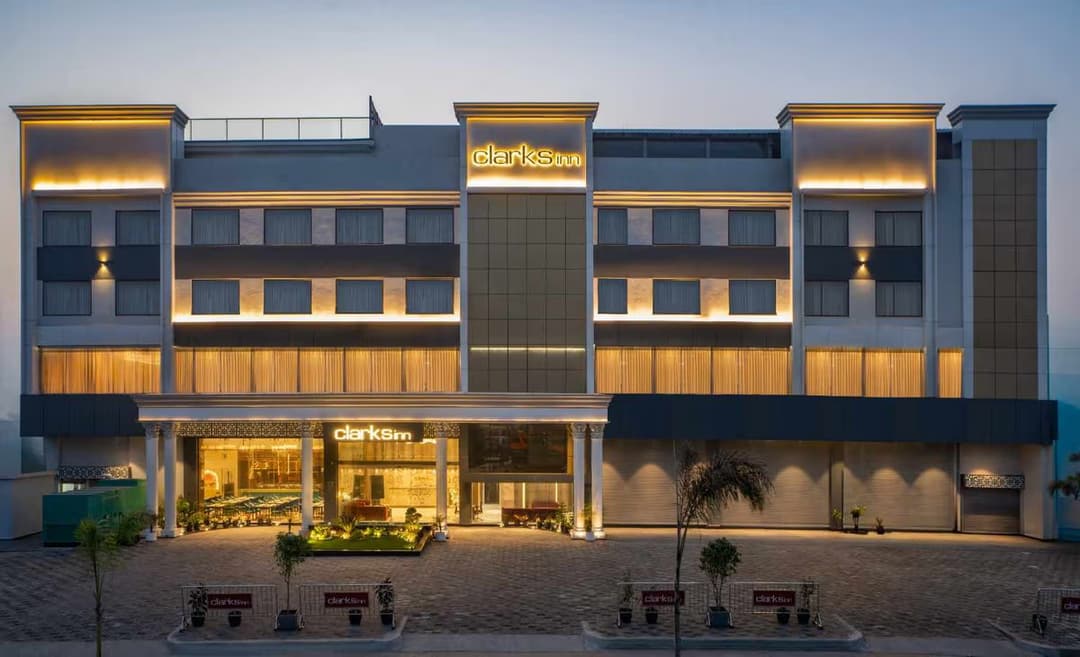
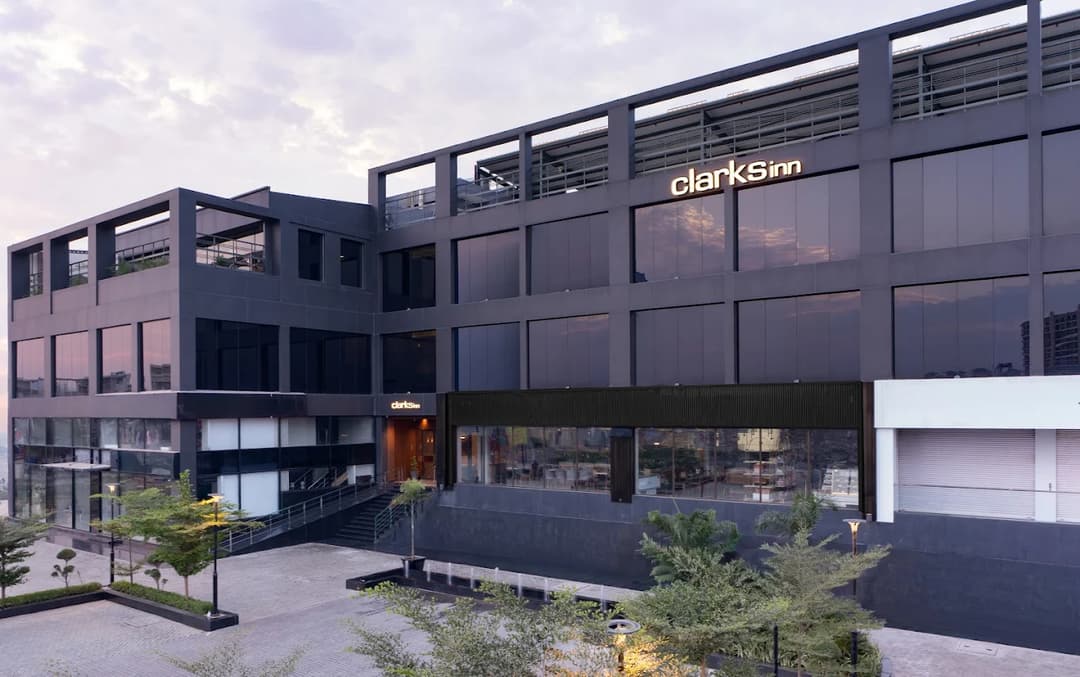
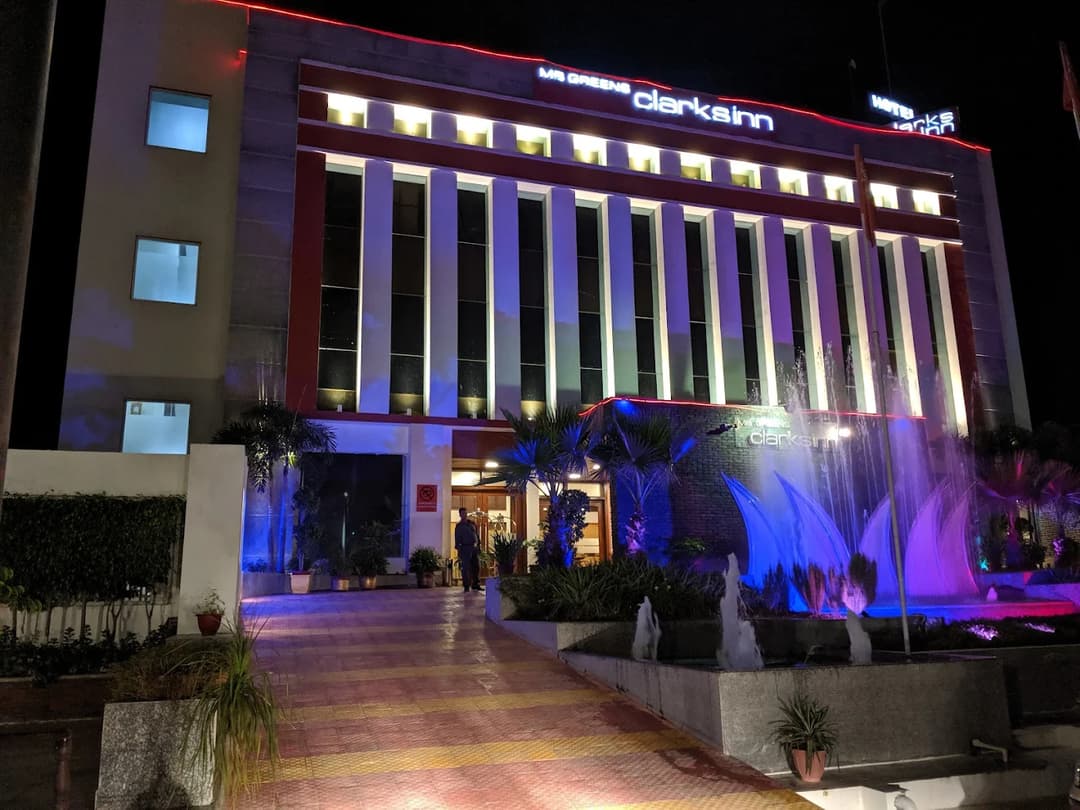
Where to Stay: Gir Aatithya Clarks Inn
The 2-Day Monsoon Itinerary for Sasan Gir National Park needs a base that handles the season properly, the warm room when the rain is heavy, the kitchen running when the evening weather keeps everyone inside, the property that feels like the forest rather than an accommodation facility placed near it.
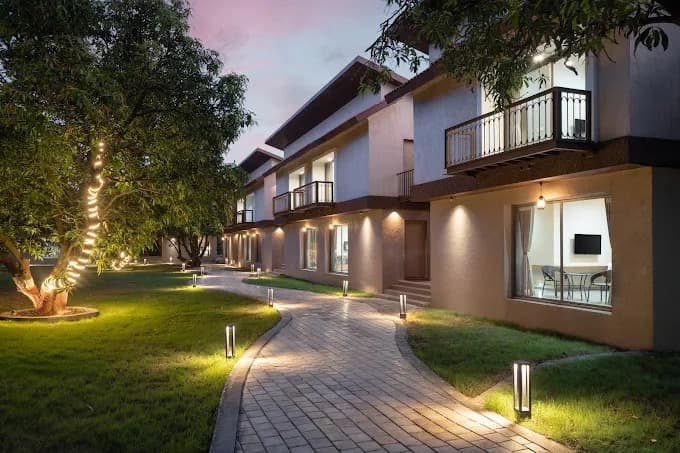
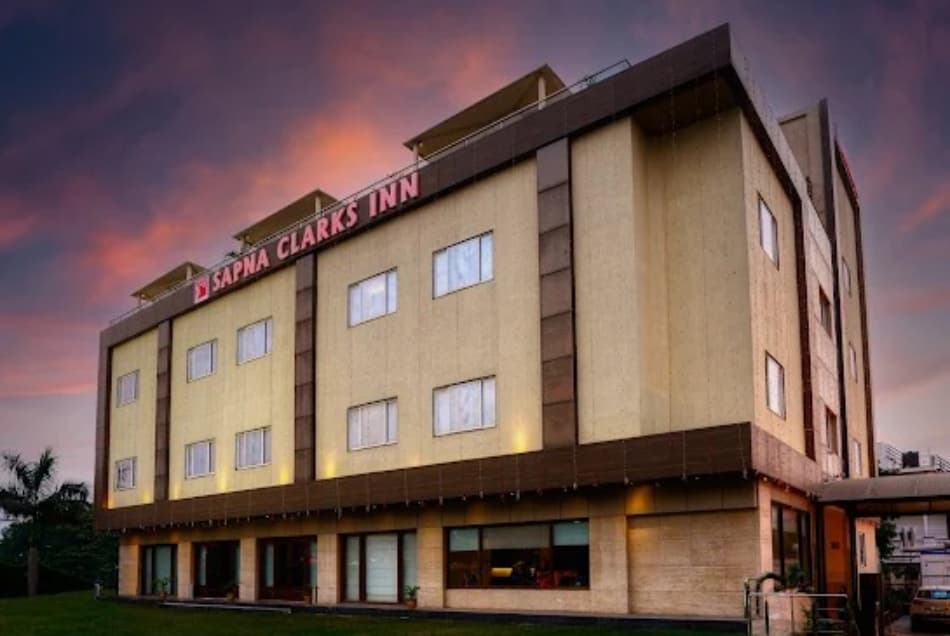
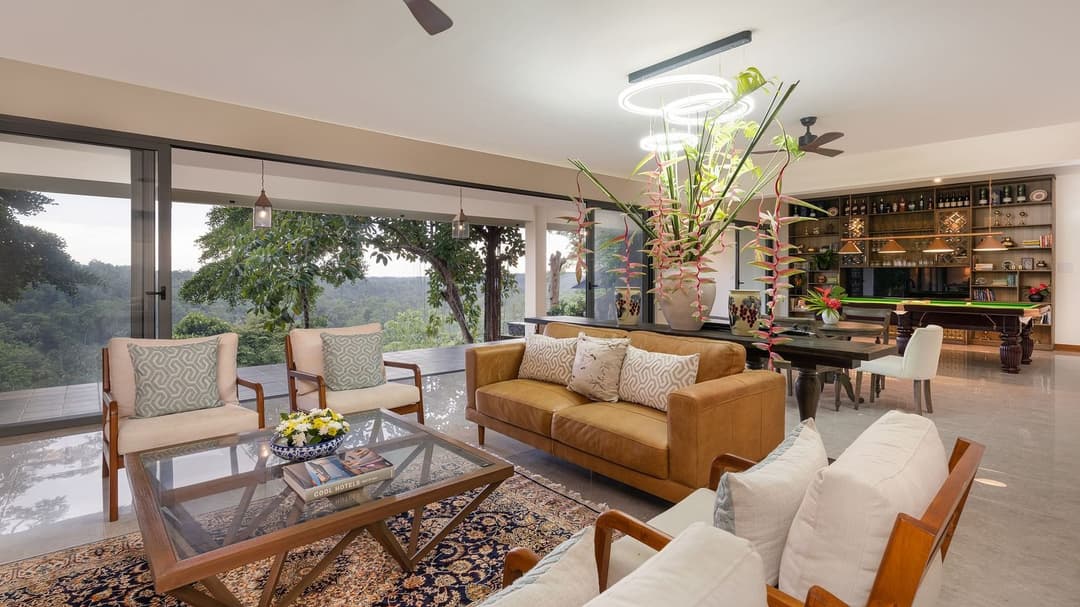
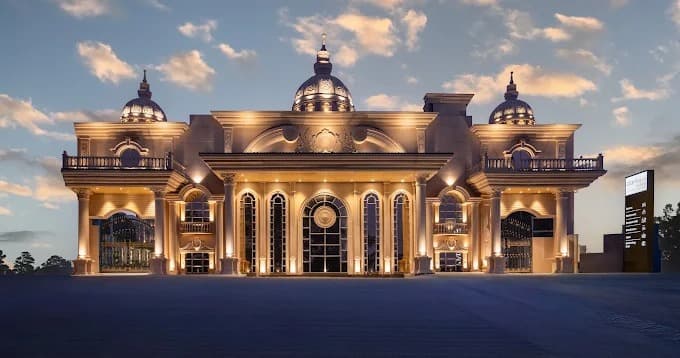
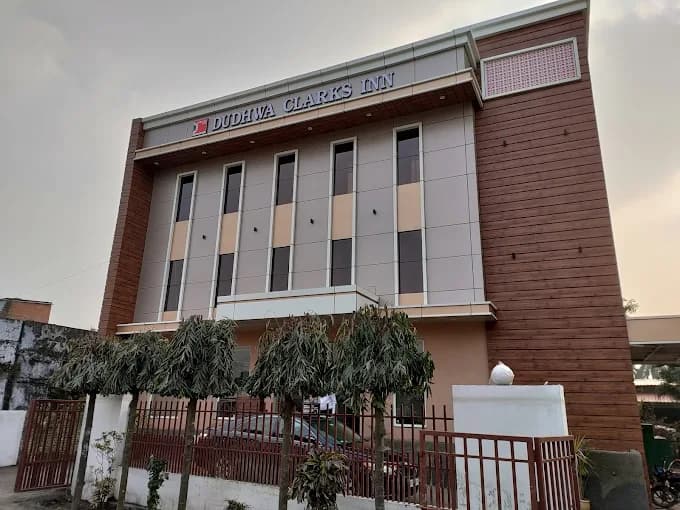
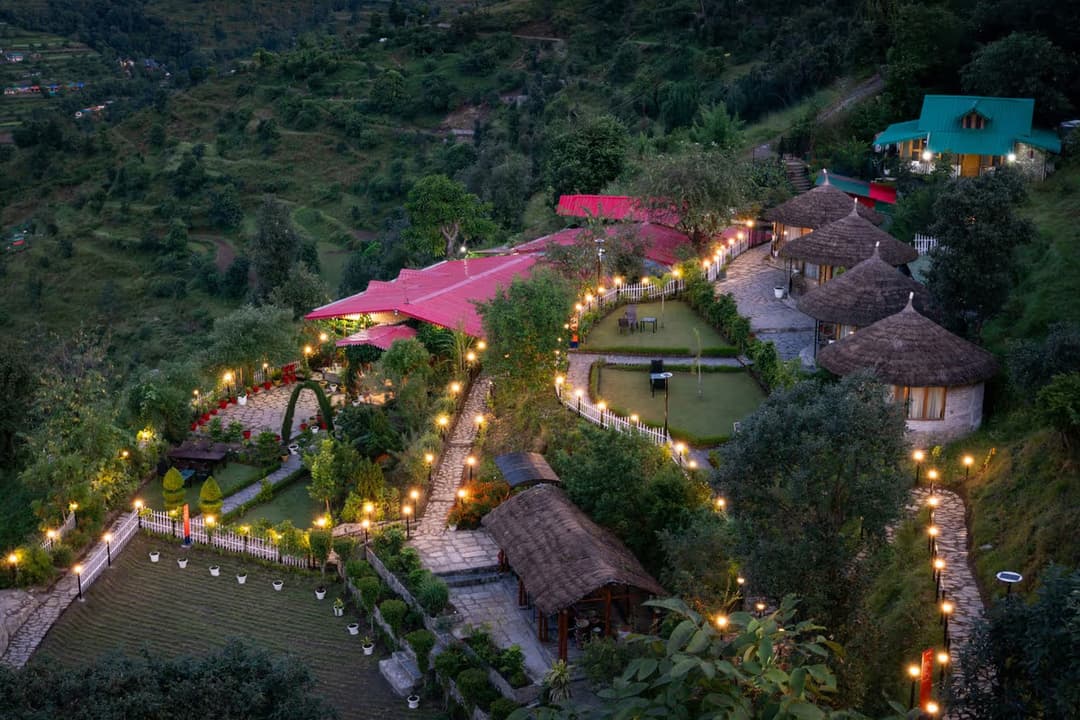
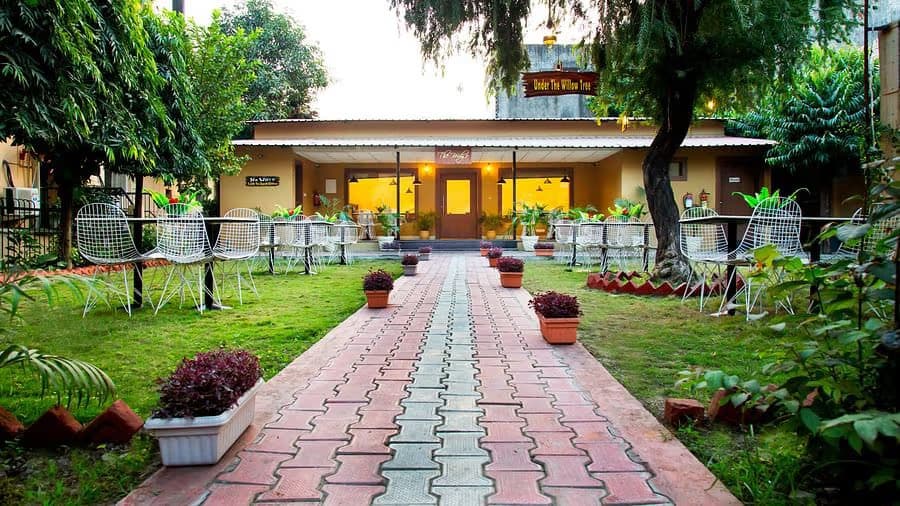
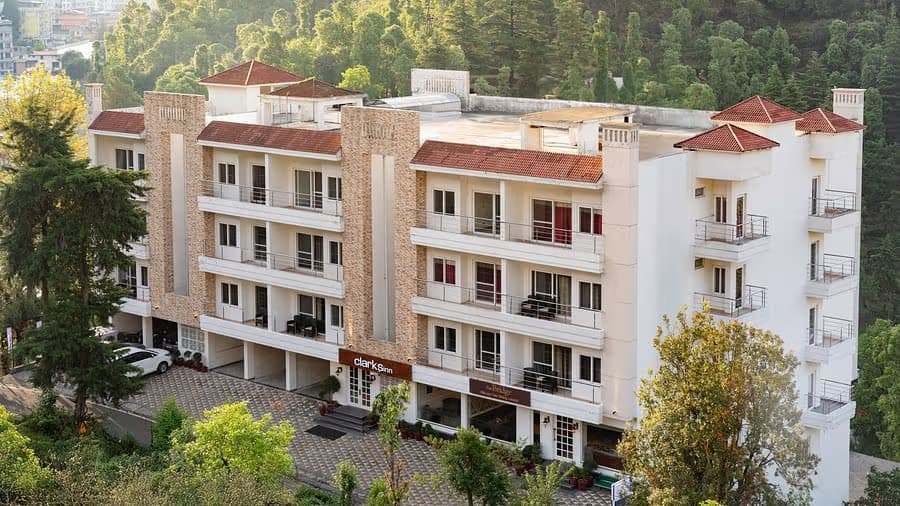
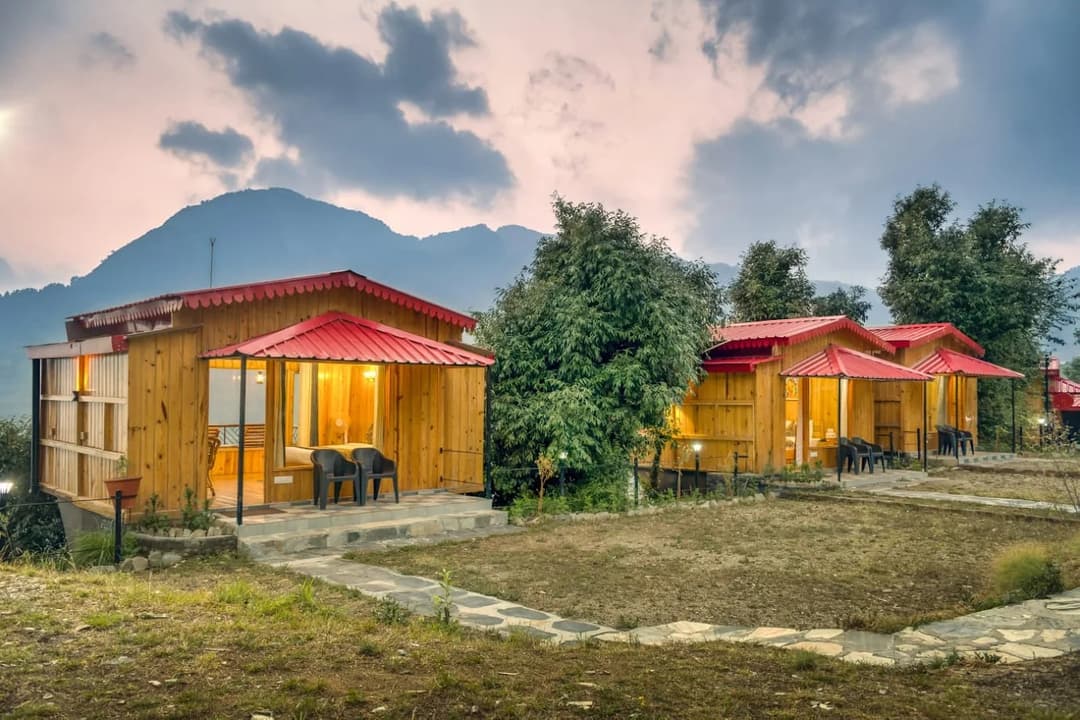
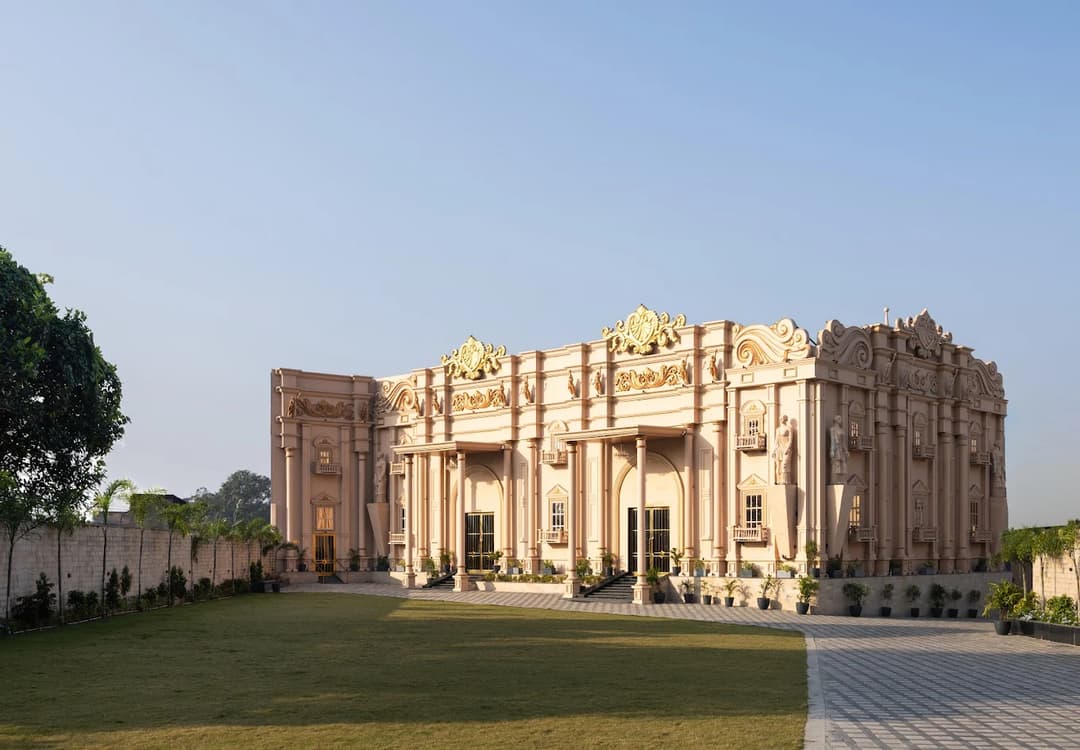
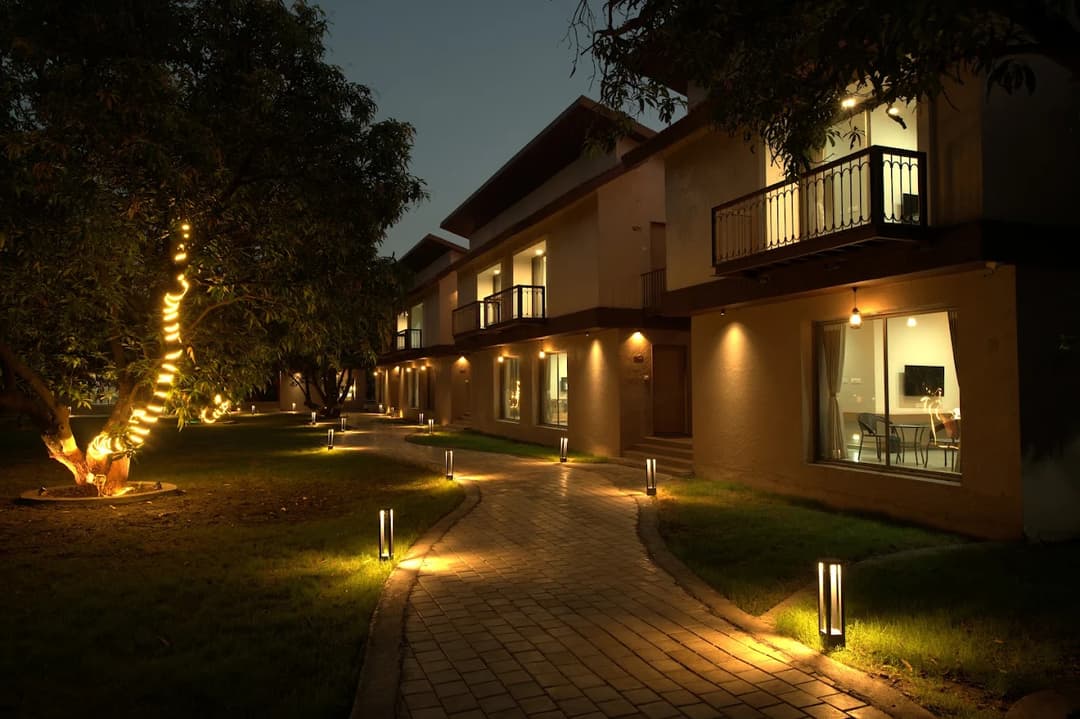
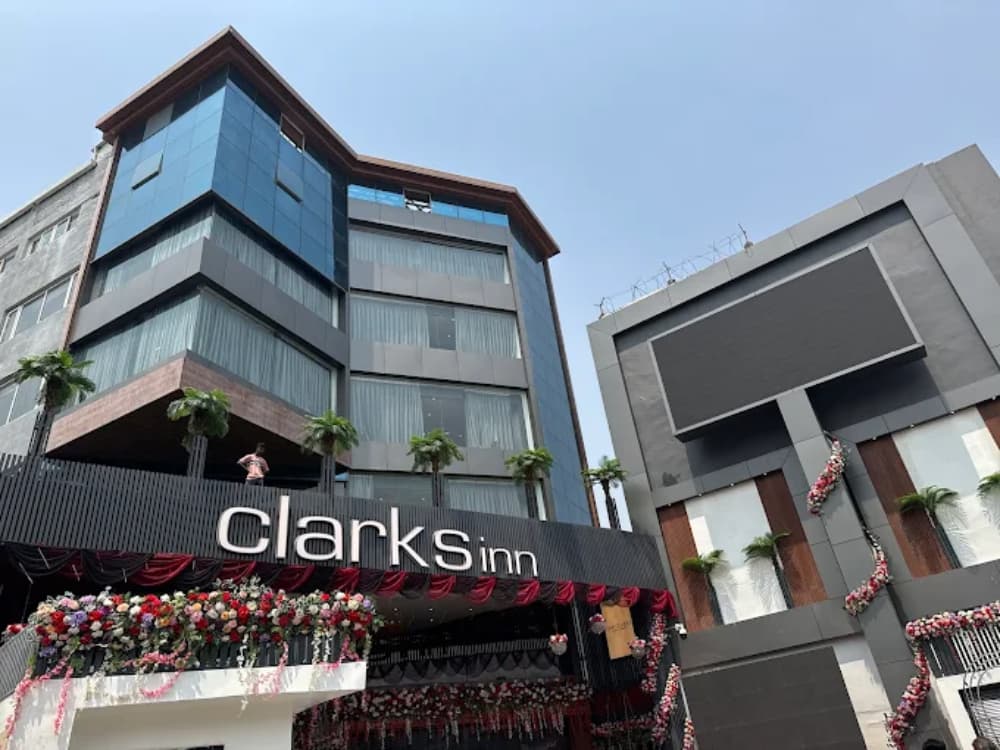
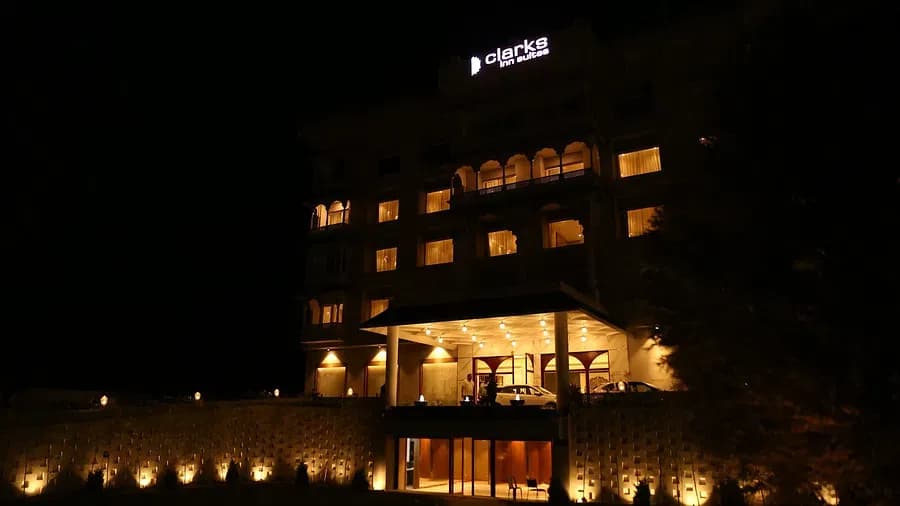
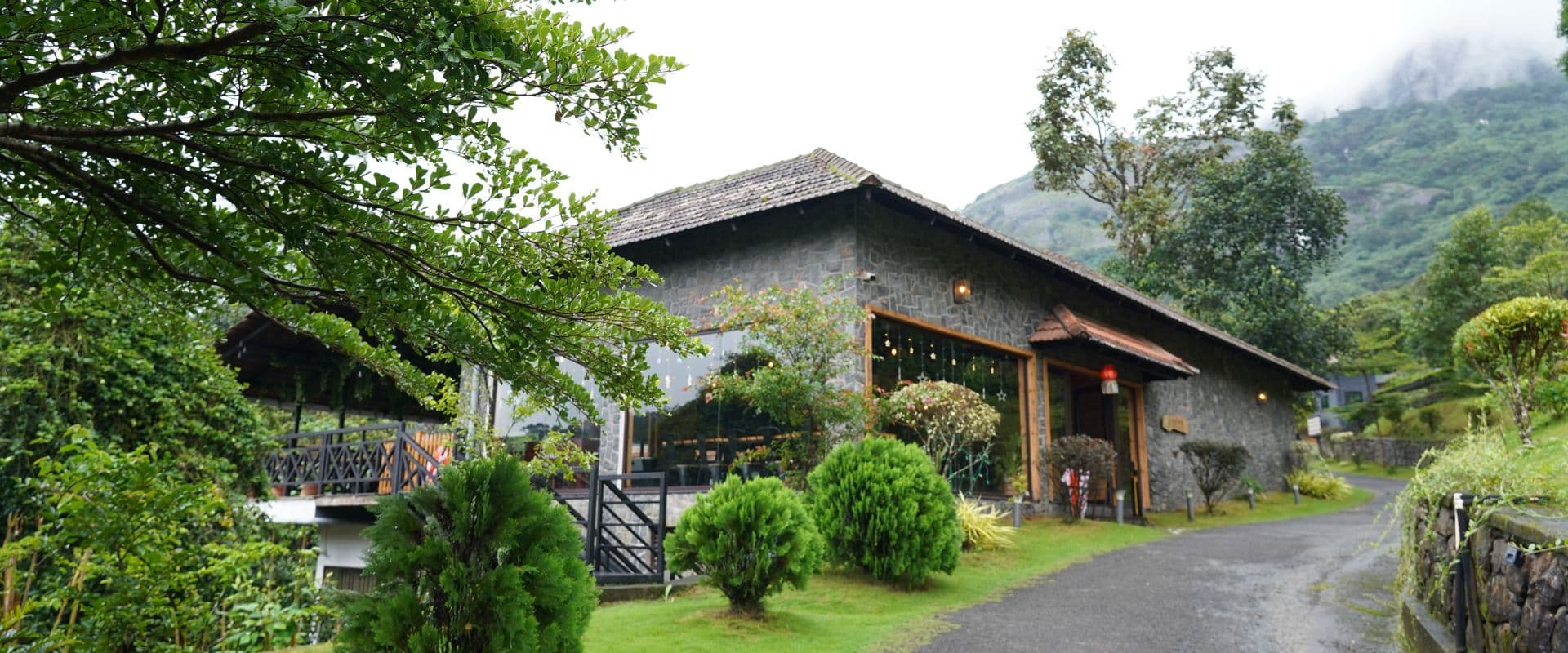
Gir Aatithya Clarks Inn sits on a 16-acre estate in the heart of Sasan Gir. The scale of the property matters specifically in the monsoon, 16 acres of lush estate, the orchards, the gardens, the open spaces that turn extraordinarily green when the Arabian Sea rainfall arrives. The property in monsoon is a different version of itself from the dry season, and guests who visit in both periods consistently describe the monsoon version as the more beautiful one.
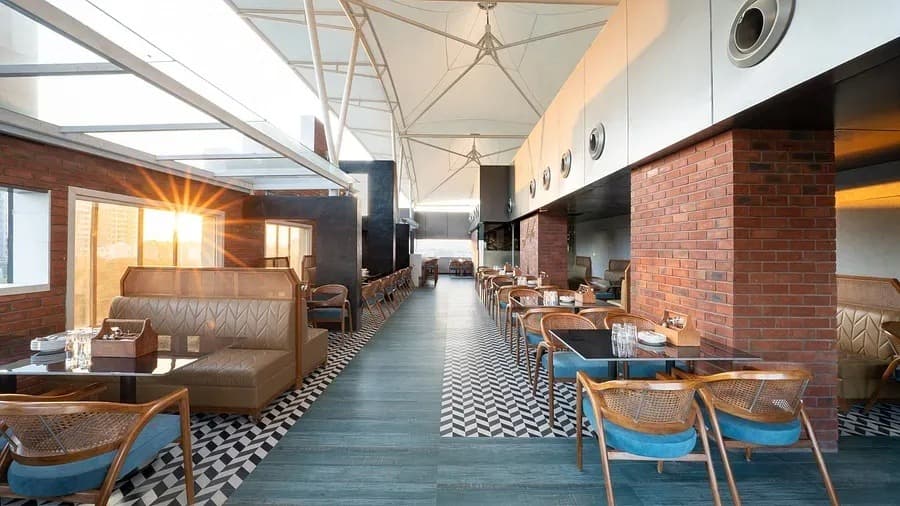
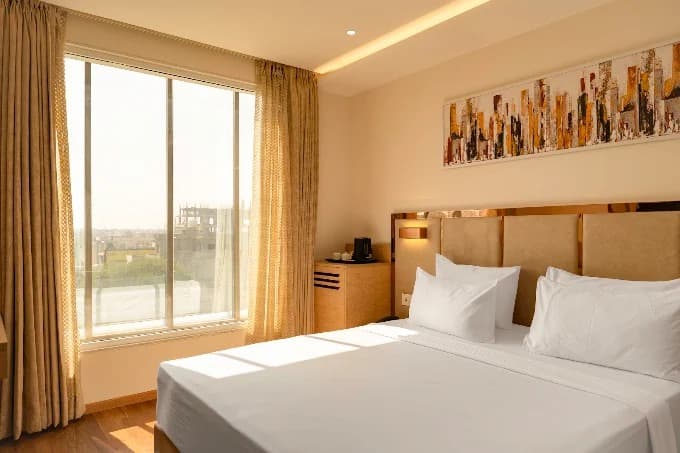
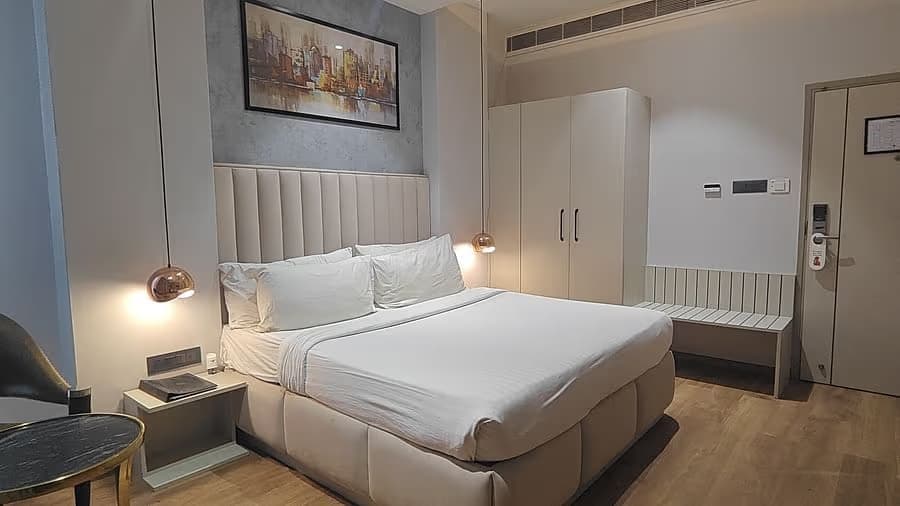
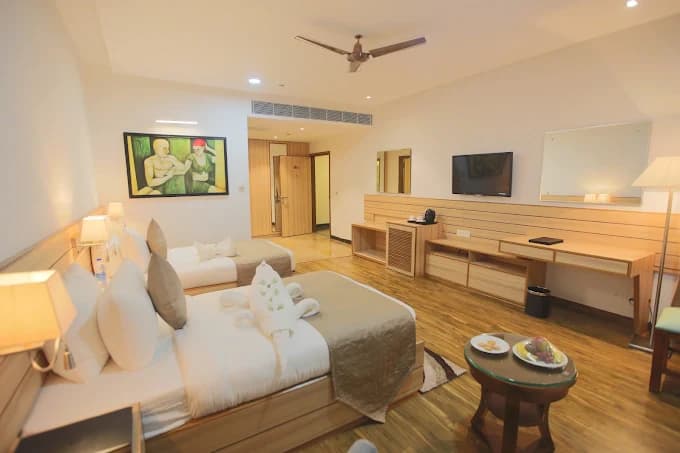
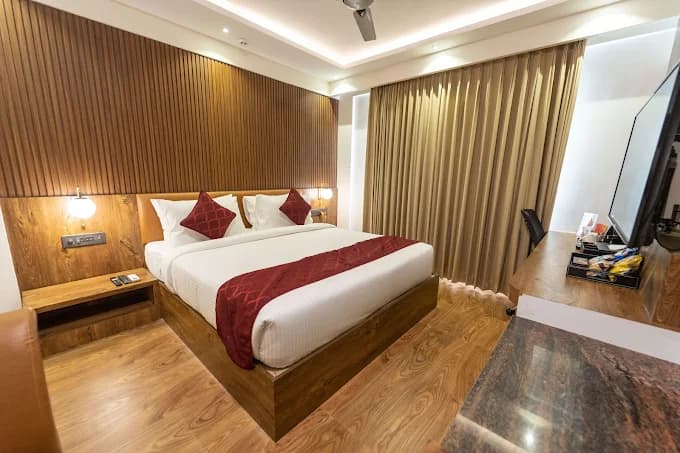
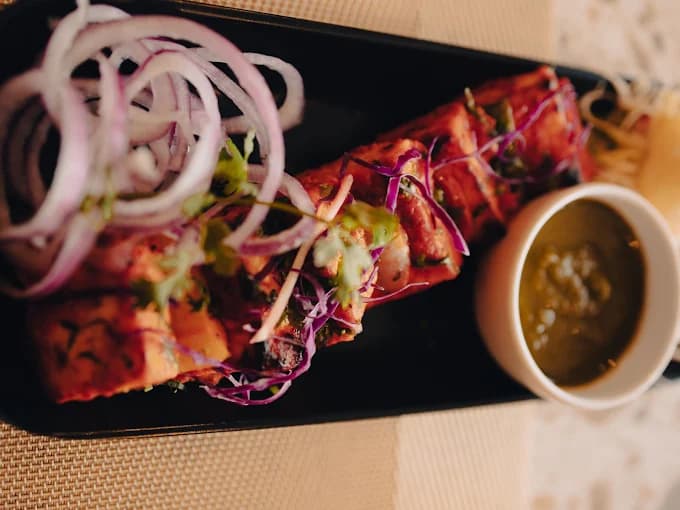
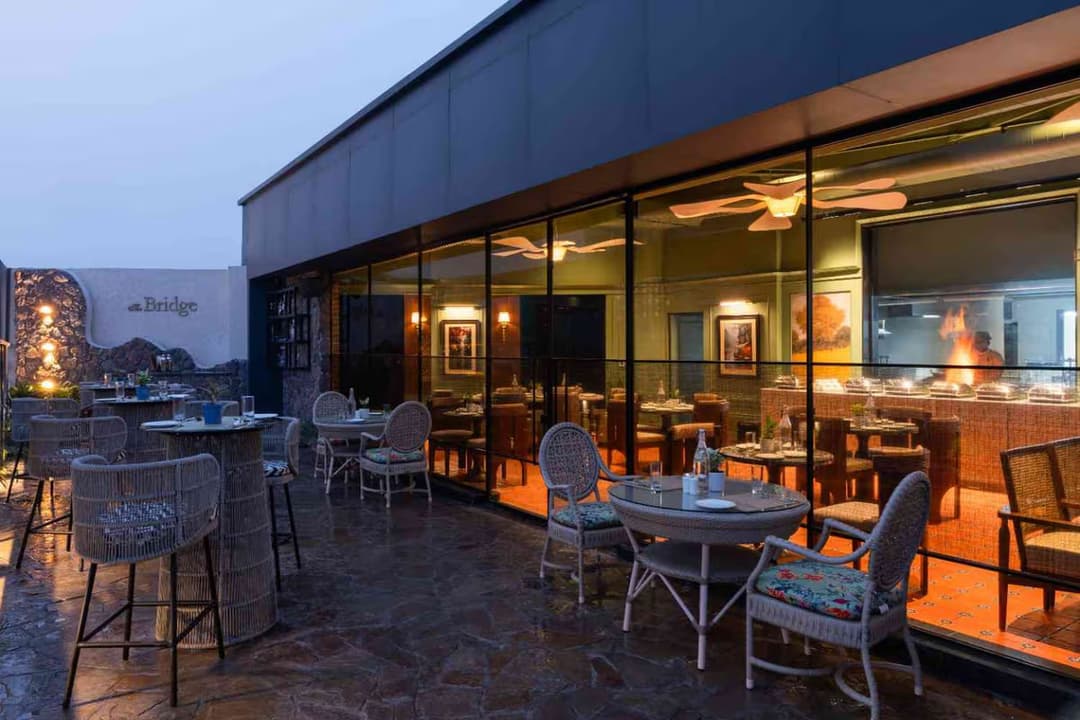
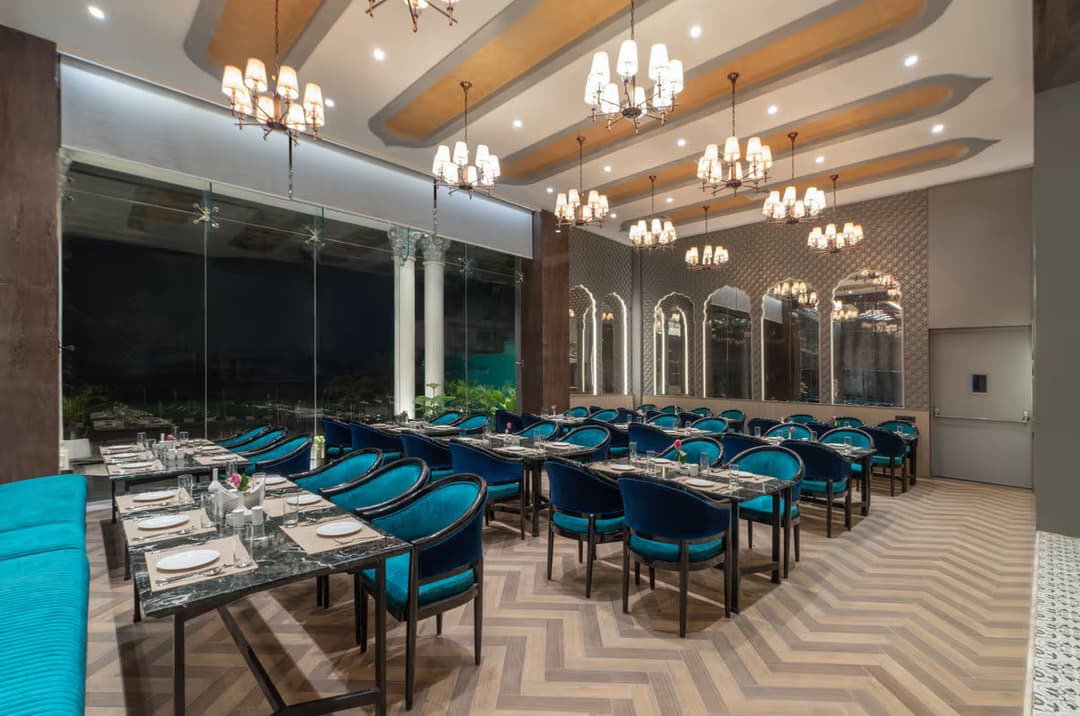
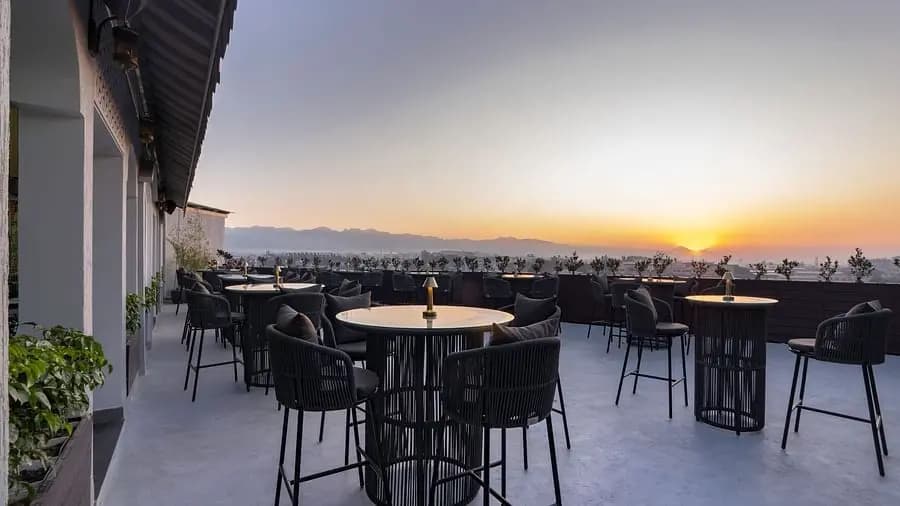
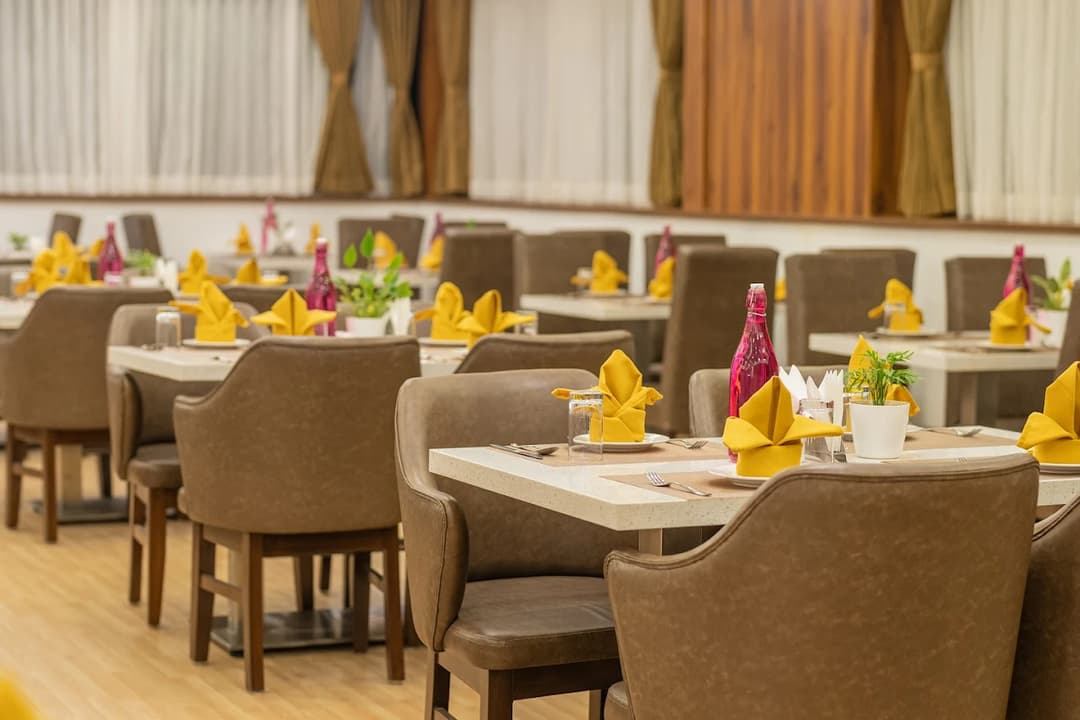
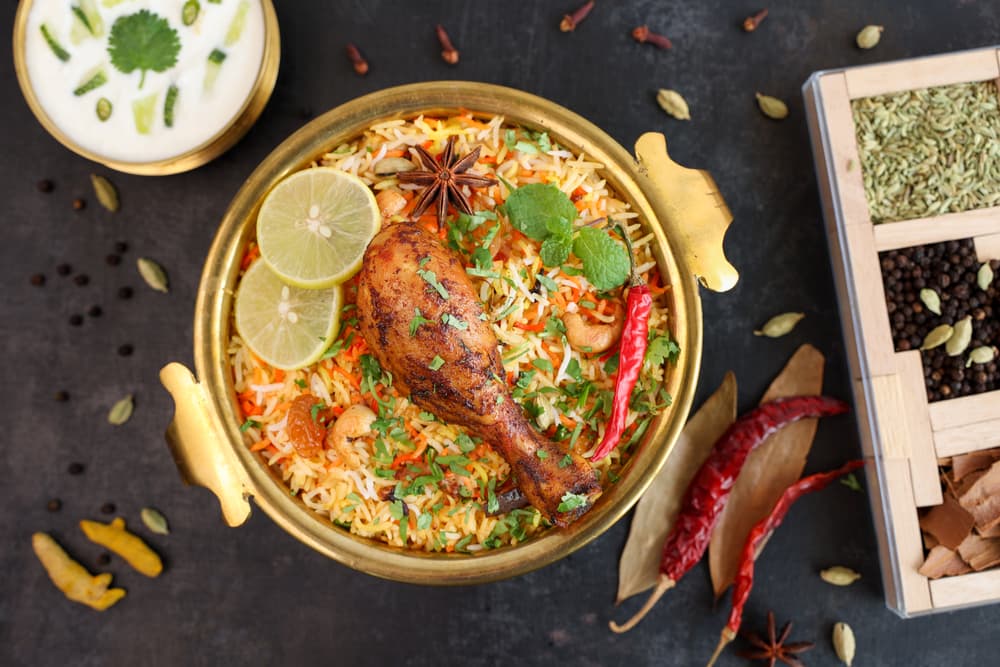
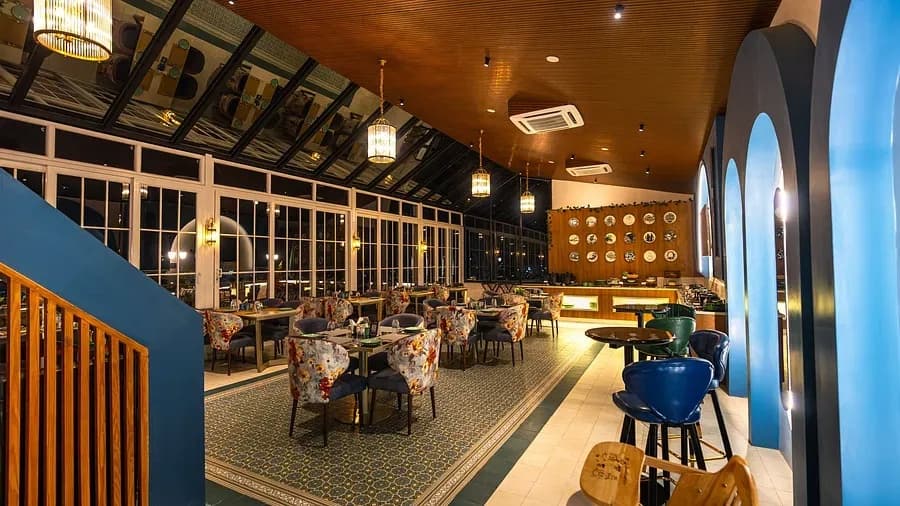
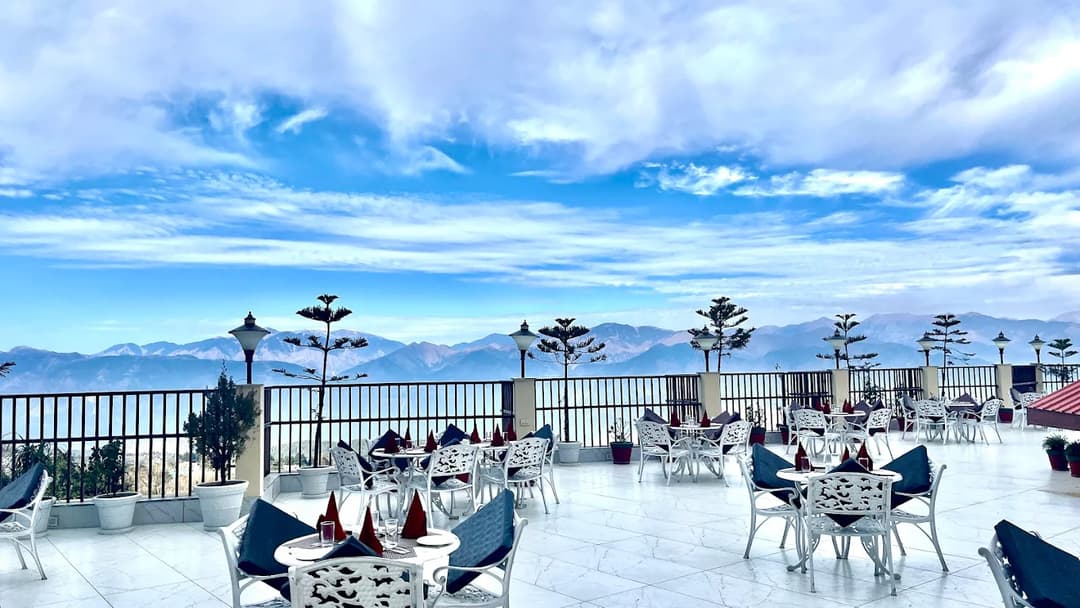
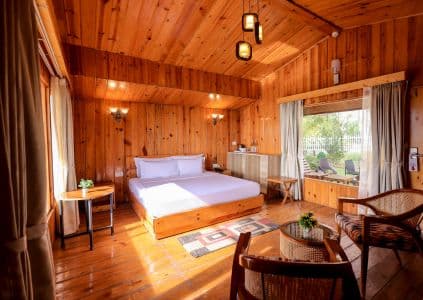
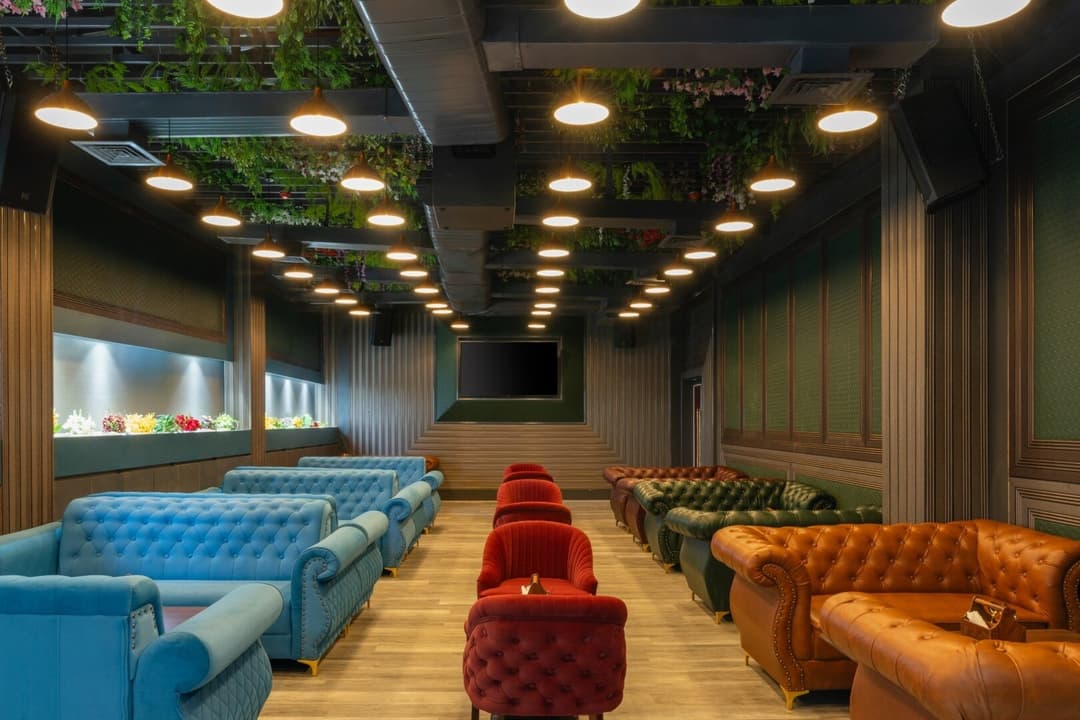
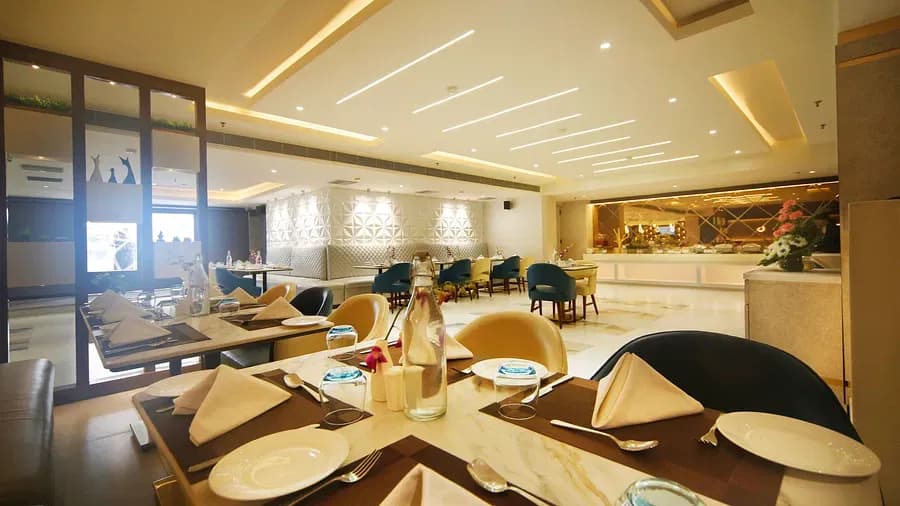
Rooms across Deluxe and Premium categories, each with private balconies facing the orchards. In the monsoon, the orchard balcony is the specific place where the evening happens, the rain on the leaves, the forest sounds, the particular quality of a Gir night when the property is the destination rather than the base. The Bridge restaurant runs the full vegetarian, multi-cuisine menu, North Indian, South Indian, Chinese, Continental, Jain options. In the monsoon when going out for dinner isn't the obvious choice, a kitchen this complete running all day is the specific facility that matters most.
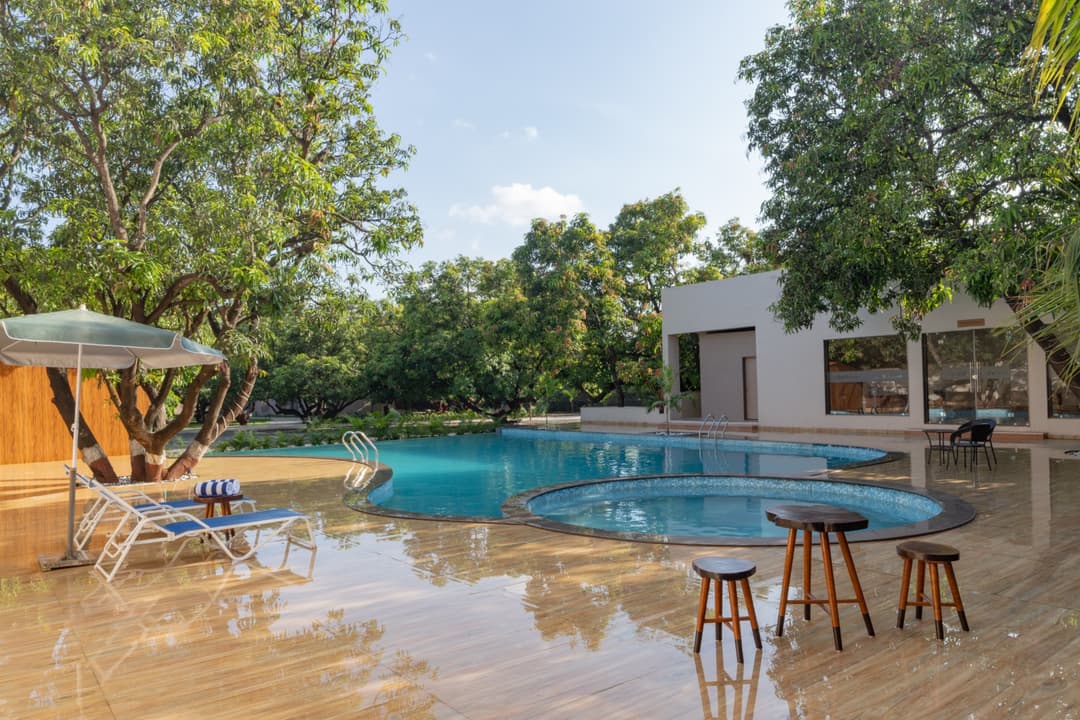
Swimming pool on the property. In the Gir monsoon, the pool between rain showers is the afternoon activity the 2-day itinerary specifically builds time for. Gym, yoga spaces, 24-hour front desk, room service, laundry, travel assistance for Devalia bookings and Kamleshwar Dam access.
Guests consistently place Gir Aatithya Clarks Inn at the top of their Sasan Gir property lists, the 16-acre estate, the orchard views, the kitchen quality, and the specific warmth of the property's hospitality come up in reviews without prompting. For the traveller whose Monsoon Itinerary for Sasan Gir National Park is the centrepiece of the trip rather than a stopover, this is the property that earns the review and the return visit.