Kurukshetra Beyond the Gita: A Weekend Around Brahma Sarovar and Jyotisar
Kurukshetra, the land of dharma, lies in Haryana, roughly 160 kilometres north of Delhi. Most people know it as the place where the Mahabharata war was fought and where Krishna gave Arjuna the Bhagavad Gita. The name means “field of the Kurus” and comes from King Kuru, who, according to old tradition, ploughed this ground himself so that it would become holy land. That belief is much older than the epic, and the region was already considered sacred in Vedic times. Today it is a quiet pilgrimage town, easy to reach by road or rail, and a weekend is enough to cover its main places.
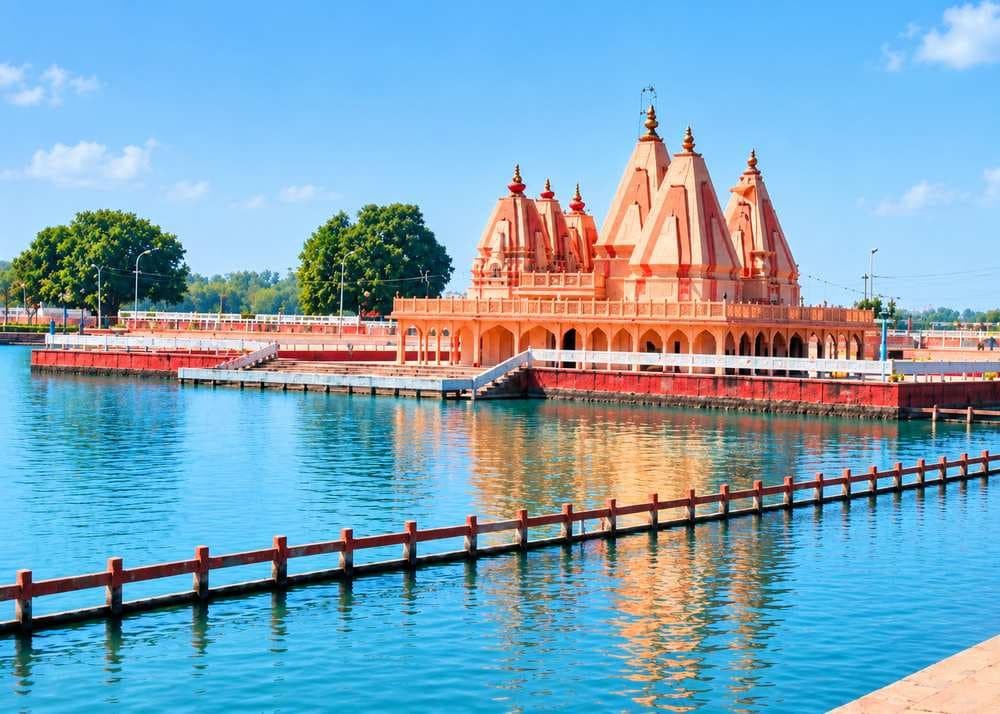
Brahma Sarovar, a large ancient tank said to be linked with the creation of the universe, is the centre of the town’s religious life. A few kilometres away is Jyotisar where Krishna is believed to have first spoken the Gita beneath a banyan tree.
Why Kurukshetra Deserves a Full Weekend?
The sites are scattered around Thanesar, and each one takes a bit longer than you’d guess. A few reasons two days works better than one:
- Brahma Sarovar is around 3,600 feet long. Walking all the way around it (the parikrama) is roughly 3.4 kilometres.
- Jyotisar is only about 6.6 kilometres from the sarovar, so the two pair up easily.
- Sannihit Sarovar, Sthaneshwar Mahadev Temple and Bhadrakali Temple all sit around Thanesar, a short drive from one another.
October to March is the comfortable stretch for walking between them.
A Two-Day Plan Around Brahma Sarovar and Jyotisar
Here’s an easy way to do it without rushing.
Day 1: the sarovars and the old temples
- Brahma Sarovar, early. Do the parikrama while the light is soft. The Sarveshwar Mahadev shrine and the Birla Gita Mandir are right there, so allow 1.5 to 2 hours in all.
- Sannihit Sarovar and Sthaneshwar Mahadev Temple. Both are in Thanesar. Sthaneshwar is the temple where the Pandavas are said to have prayed before the war.
- The evening aarti at Brahma Sarovar. Get to the ghats a little before dusk and find a spot by the water. If you only do one thing on this list, make it this.
Day 2: Jyotisar and the story of the war
- Jyotisar in the morning. The old banyan tree and the marble chariot statue are what most people come for. It’s about 15 to 20 minutes from Brahma Sarovar.
- Kurukshetra Panorama and Science Centre. Open Tuesday to Sunday, 10 am to 5 pm. It has a lifelike panorama of the battle and some hands-on science exhibits, and children usually love it.
- Bhadrakali Temple, late afternoon, before you start for home.
Getting There and Getting Around
Kurukshetra is simple to reach and simple to get around.
- From Delhi: about 160 kilometres, which is roughly 3 to 3.5 hours by road. Trains run regularly to Kurukshetra Junction too.
- From Panchkula and Chandigarh: around 100 kilometres, about 1.8 hours.
Once you’re there: most sights are 5 to 20 minutes apart, and autos and cabs are easy to find.
What to Check When Booking a Hotel in Kurukshetra?
A premium hotel in Kurukshetra should make a temple-and-sarovar weekend feel easy. Before you book, check these:
- Distance from the station and bus stand - Under 10 minutes by road is a good number to aim for.
- Breakfast timing - An early breakfast means you reach Brahma Sarovar while the light is still good.
- Late check-in - A 24-hour front desk helps when your train or drive gets in after dark.
- Pickup and drop - Ask what the hotel can arrange for station transfers and local cabs.
- Food - When you’re travelling in a group, a menu with both vegetarian and multi-cuisine options makes meals easy.
- The full price - Compare the total with breakfast and facilities like the pool included, not just the first number you see.
Other Places to visit in Kurukshetra
If you’ve got a little extra time, add a few of these:
- Sannihit Sarovar, believed to be a meeting point of sacred waters, a short drive from the main hotel area.
- Sthaneshwar Mahadev Temple, an old Shiva temple in Thanesar.
- Bhadrakali Temple, one of the most visited temples in Kurukshetra.
- Krishna Museum, a good way to get a feel for the region’s history and art.
- International Gita Mahotsav, held around Gita Jayanti, usually in December, with fairs, aarti, music and cultural programmes.
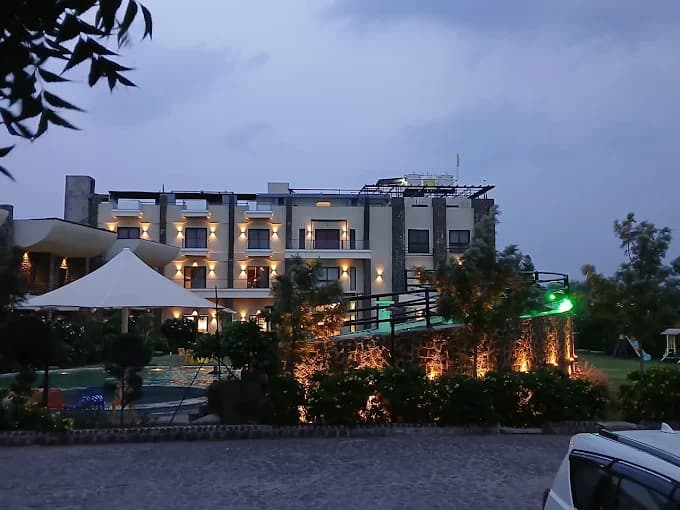
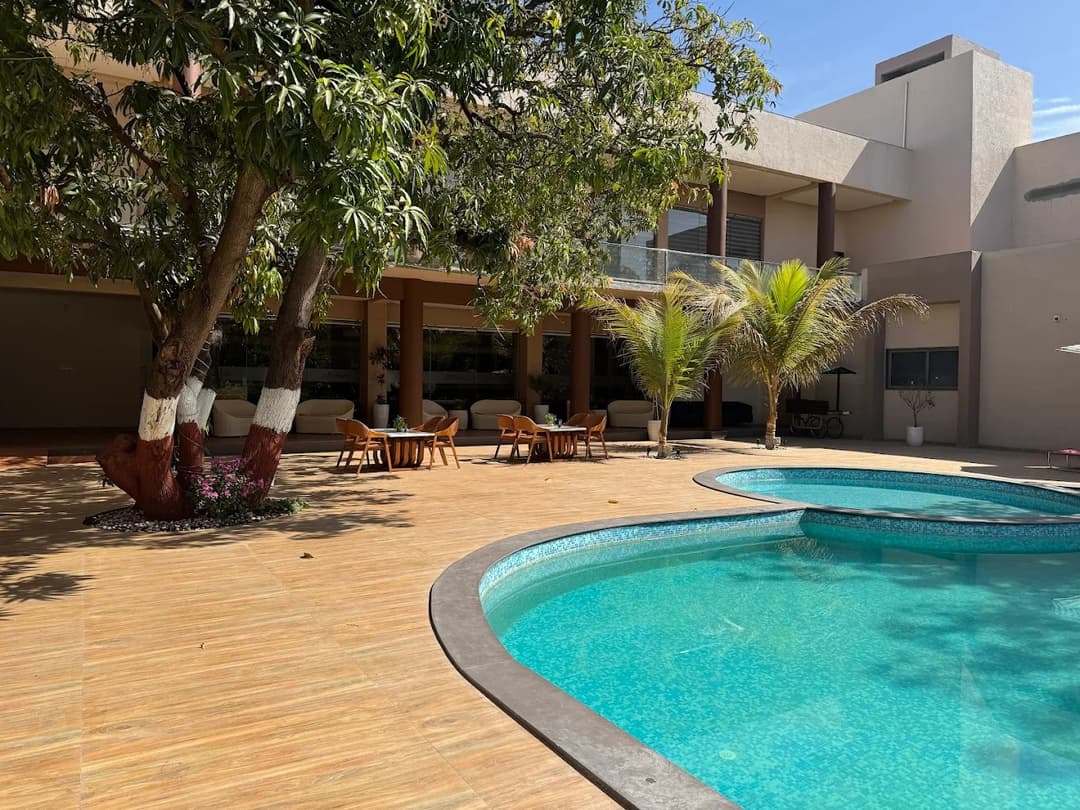
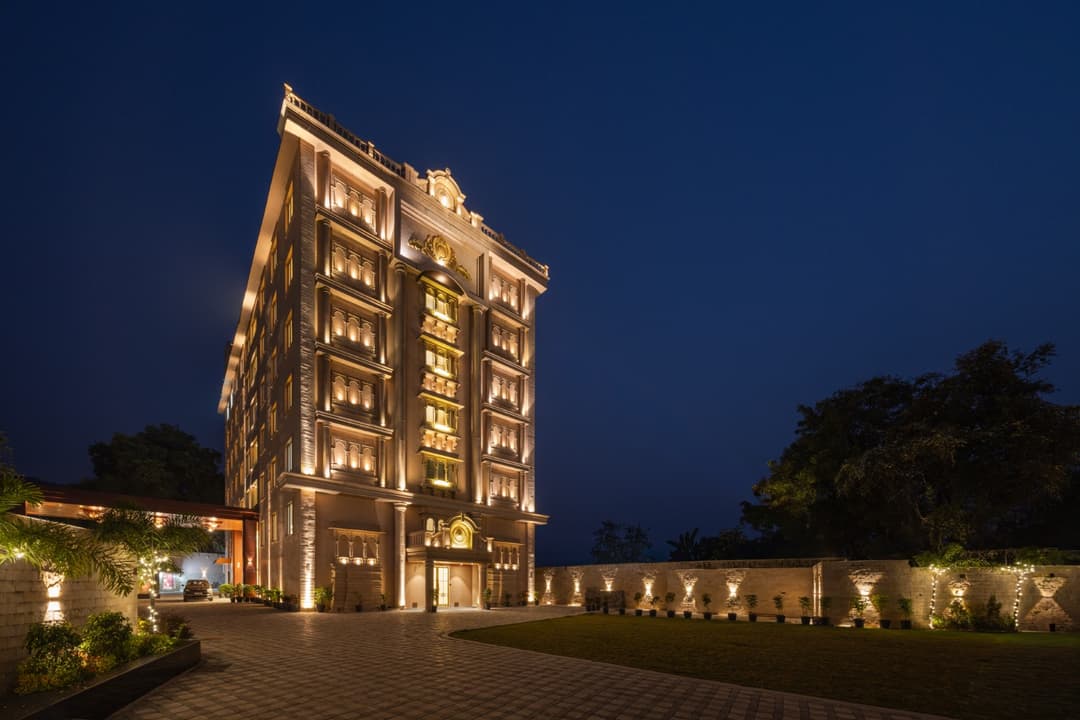
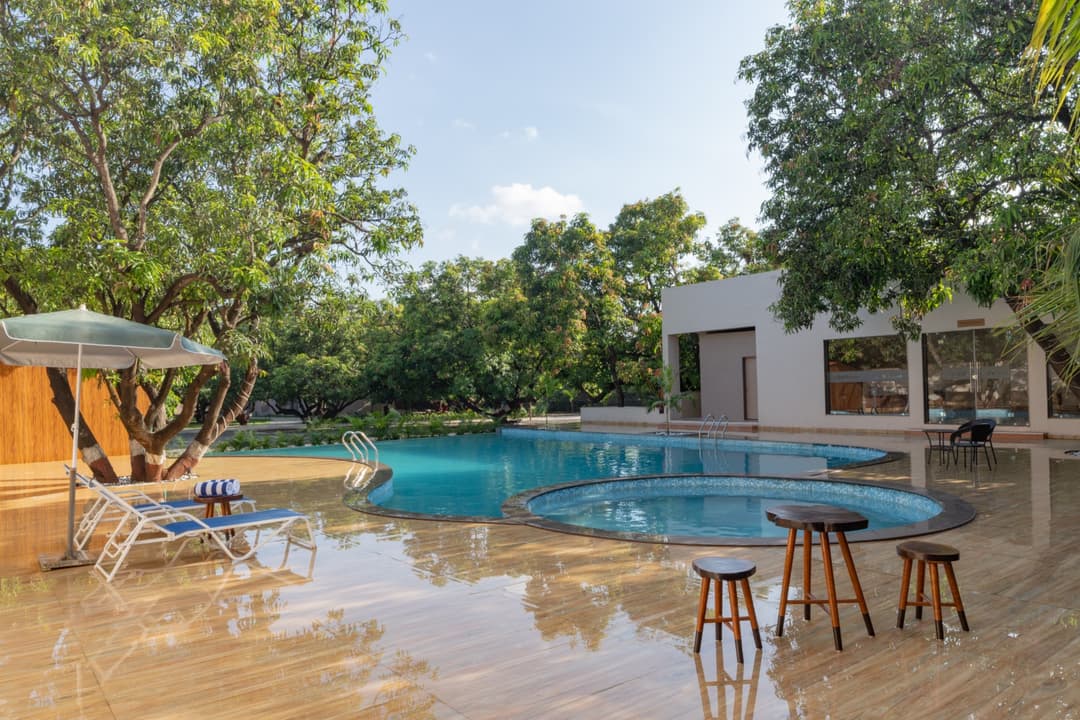
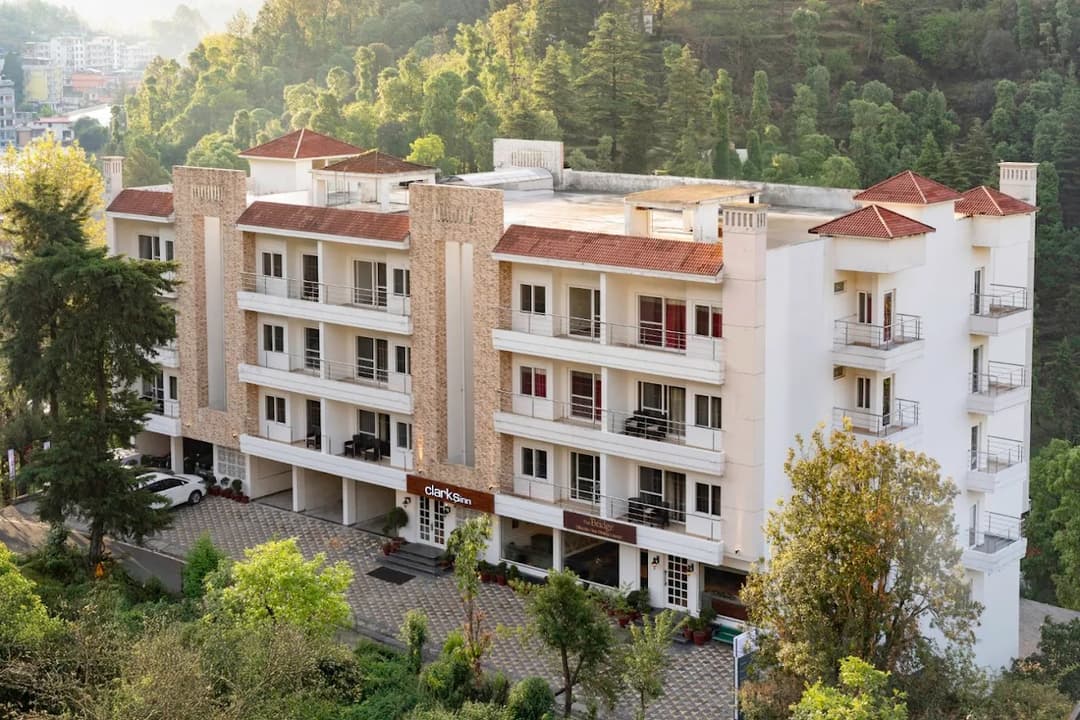
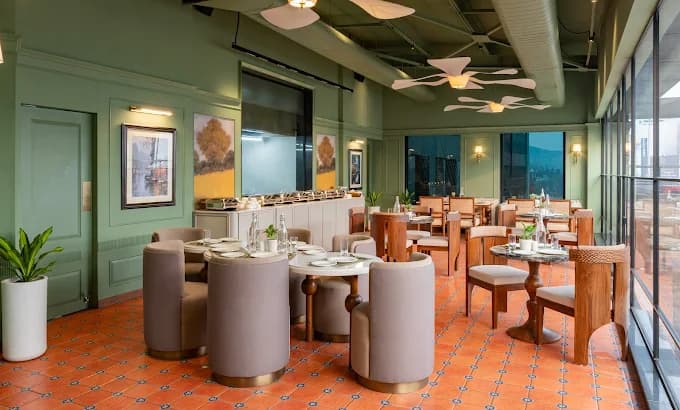
A good weekend in Kurukshetra mostly comes down to having a comfortable base near the sarovars and an easy start each morning. Divine Clarks Inn Suites is on Pipli Road, under 10 minutes by road from Kurukshetra Railway Station and Bus Stand and about 5 minutes from Sannihit Sarovar. It has more than 40 rooms across Executive, Premium and Suite categories, a 24-hour front desk, 24-hour room service, an outdoor pool and two restaurants, The Bridge and Café Clarks. It’s a practical pick if you’re looking for a hotel in Kurukshetra for a weekend of early mornings and long days out.
FAQs
1. How many days are enough for Kurukshetra?
Two days works well. Spend the first on Brahma Sarovar, Sannihit Sarovar and Sthaneshwar Mahadev Temple, finishing with the evening aarti. Keep the second for Jyotisar, the Panorama and Science Centre and Bhadrakali Temple. That pace leaves time for proper meals and rest, and nothing feels hurried.
2. How far is Jyotisar from Brahma Sarovar?
Jyotisar is about 6.6 kilometres from Brahma Sarovar, roughly a 15 to 20 minute drive depending on traffic. Many people visit both on the same day or on back-to-back mornings. The banyan tree and the marble chariot are the highlights, so give yourself at least an hour there.
3. What is the best time to visit Kurukshetra?
October to March is the most comfortable stretch for walking around Brahma Sarovar and visiting the temples. December is especially lively, because the International Gita Mahotsav is held around Gita Jayanti with fairs and cultural events. If you’re planning for that period, it helps to book your stay a few weeks ahead.
4. How far is Kurukshetra from Delhi and Chandigarh?
Kurukshetra is roughly 160 kilometres from Delhi, about 3 to 3.5 hours by road. Panchkula and Chandigarh are around 100 kilometres away, about 1.8 hours. Kurukshetra Junction also has regular trains, which many visitors find a relaxed way to arrive for a weekend.
5. What else is there to see in Kurukshetra besides the Gita sites?
Kurukshetra Panorama and Science Centre has a lifelike battle panorama and hands-on exhibits, open Tuesday to Sunday from 10 am to 5 pm. Sannihit Sarovar, Sthaneshwar Mahadev Temple, Bhadrakali Temple and the Krishna Museum are also worth a visit, and all of them are a short drive apart.