Best Heritage Places to Visit in Mandav on Your Next Trip
Perched on the Vindhya plateau in Madhya Pradesh, Mandav is one of India's most haunting heritage destinations. Famously known as the City of Joy, this ancient hill fortress is encircled by a series of sandstone walls, ruined palaces and tranquil lakes. It is also tied up with the love story of Baz Bahadur and Rani Roopmati which still shapes how locals talk about the place. If you are planning a trip, this guide covers the heritage sites worth your time, plus a few tips on where to stay.
What are the Heritage places to visit in Mandu?
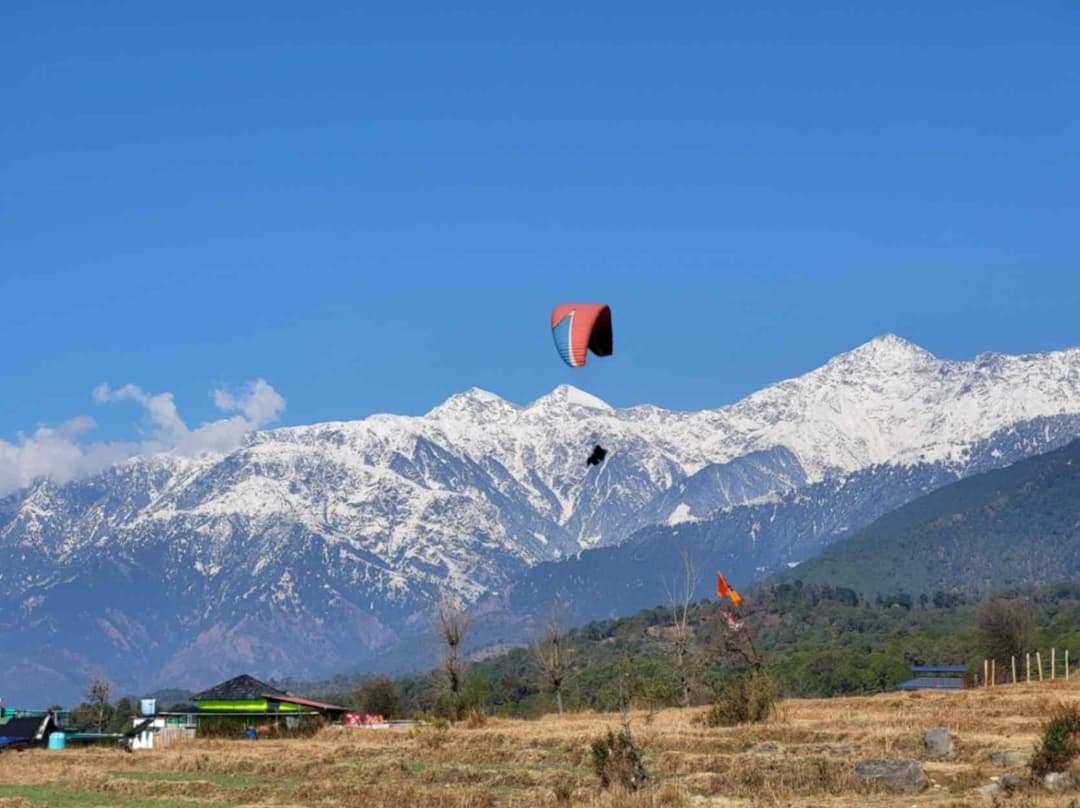
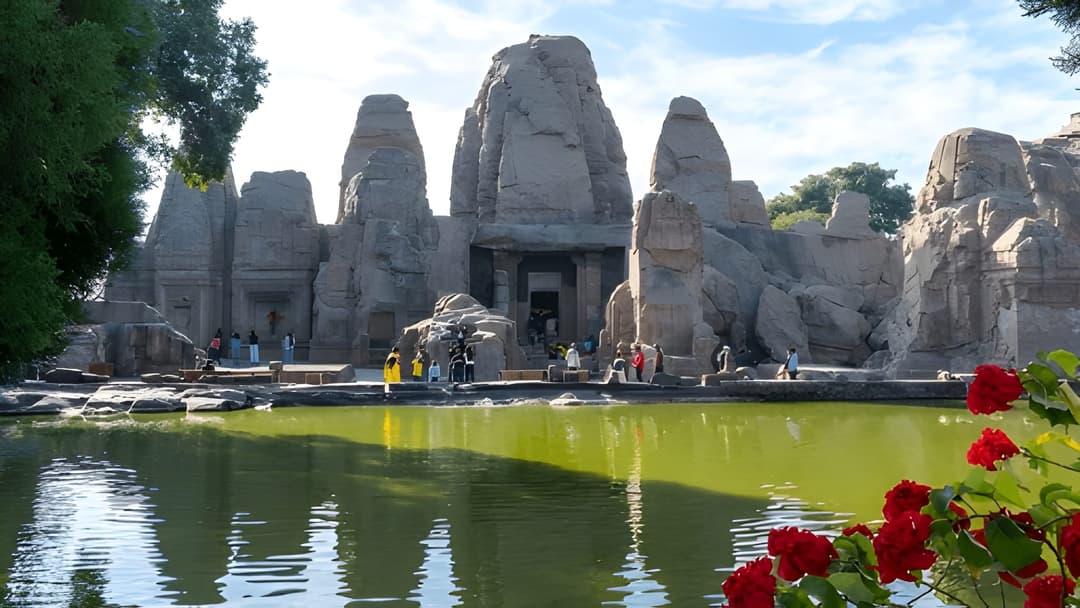
Mandav that is also known as Mandu, should feature on your itinerary for its breathtaking hilltop Afghan architecture, romantic royal legends, and serene water palaces set against the Malwa plateau. The monuments are scattered across green countryside, so the experience feels more like exploring a landscape than ticking off a list of sights.
Jahaz Mahal (The Ship Palace)
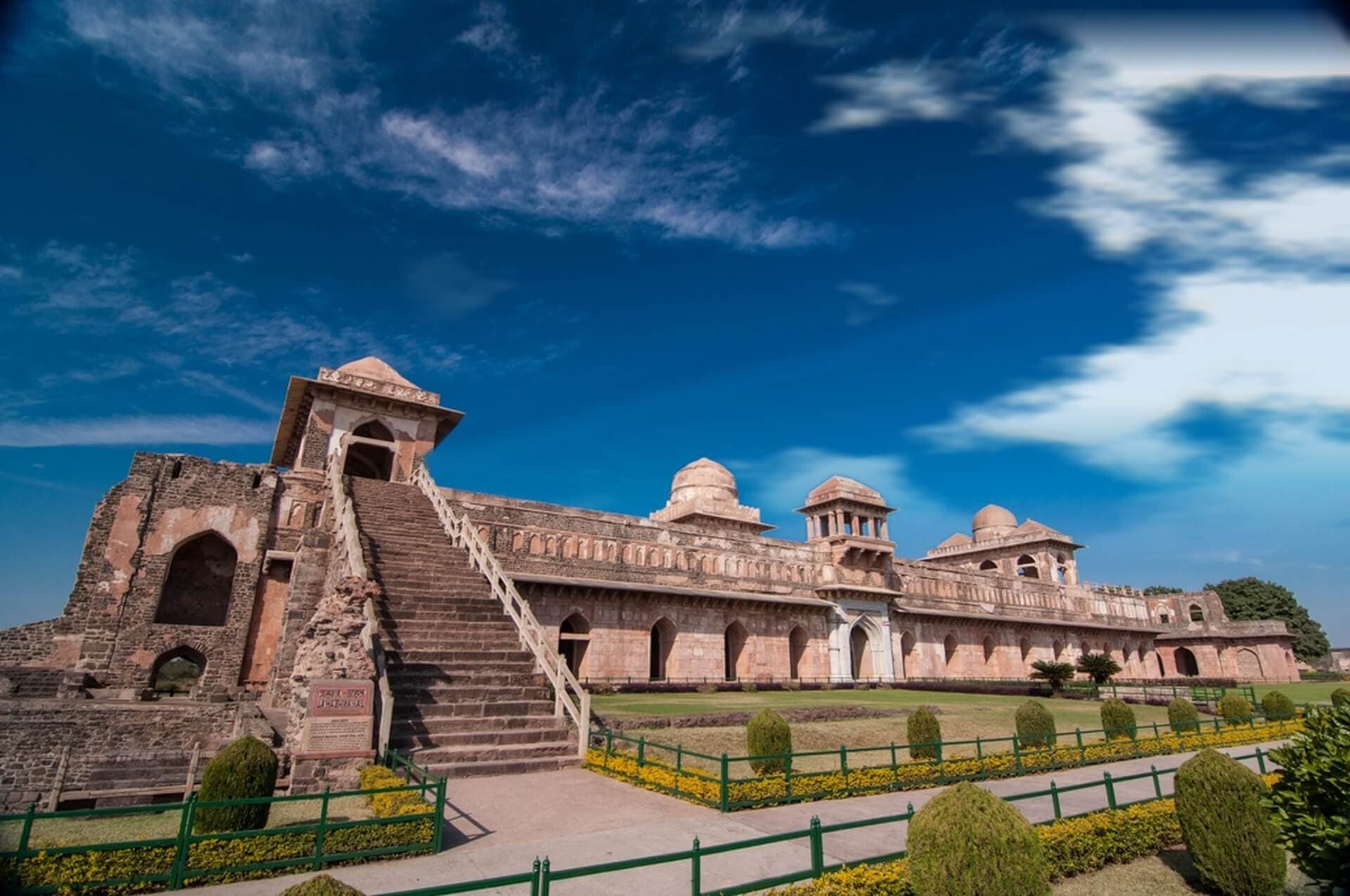
Jahaz Mahal is a highlight of Mandav's Royal Group of Monuments. This is one of those Heritage places in Mandav built in the 15th century by Ghiyas-ud-din Khilji, son of Mohammed Shah, as a residence for the women of his royal household, which is said to have numbered as many as 15,000. This two-storey palace was designed to house them in comfort, and the sultan's consorts lived here amid luxury and leisure. After Ghiyas-ud-din's death, however, the palace gradually lost much of its former glory.
The palace stands on a narrow strip of land between two lakes, Munja Talao and Kapur Sagar. Its reflection in the water, and the way it seems to drift on the surface, give the building a ship-like appearance. This is how it earned its name: "Jahaz" means ship and "Mahal" means palace, so Jahaz Mahal translates to the Ship Palace.
Hindola Mahal (The Swinging Palace)
Hindola Mahal is an ancient palace inside Mandu Fort in Mandu, Madhya Pradesh. It is just 1.5 km from Mandu Bus Stand and stands right next to Jahaz Mahal. It is one of the top heritage places near Indore and one of the prime places to visit in Mandu.
The palace is part of the royal palace complex at Mandu, along with Jahaz Mahal, Taveli Mahal and Nahar Jharokha. Its exact date is not certain. It may have been built in 1425 during the reign of Hoshang Shah, or it may belong to the end of the 15th century, in the time of Ghiyas-ud-din. It was mostly used by the Mughals as a place of leisure.
Hindola Mahal is also called the Swinging Palace. Its slanting walls and arches make the whole building look as if it is swaying on a swing, which is what gives it this name.
Hoshang Shah's Tomb
One of the finest examples of Afghan architecture in the country and is about 500 m from Mandu Road. It stands beside Jama Masjid. It is one of the wonderful heritage places to visit in Mandu. The tomb is the resting place of Sultan Hoshang Shah Ghori, the first formally appointed Sultan of the Malwa Sultanate of Central India. It is part of the Village Group, also known as the Central Group of Monuments, in Mandu. The tomb stands in a courtyard to the west of the Jami Masjid. Hoshang Shah began its construction, and it was completed by Muhammad Khilji around 1440 CE.
The whole building is made of white marble, and it is considered the first marble mausoleum in India. According to legend, the builders of the Taj Mahal were inspired by this tomb.
Jami Masjid and the Ashrafi Mahal
This grand mosque's sprawling courtyard, impressive entrance gateway and the pillared, vaulted aisles are testimony to its Indo-Islamic origins. However, what stands out is its austere beauty. The Ashrafi Mahal, located right across the Jami Masjid, was originally a school, and later converted into a tomb and a victory tower. Although today only fragments of this structure remain, it is a treat to explore the ruins and imagine the grandeur it must have boasted in its time.
Rani Roopmati Pavilion and Baz Bahadur's Palace
The love story of Baz Bahadur and Rani Roopmati finds its place in Mandav's two most romantic monuments - the Rani Roopmati Pavilion and the Baz Bahadur's Palace. While the latter boasts of its expansive, open courtyard and arched corridors that offer panoramic views of the plateau, the former is in the form of a pavilion perched on a rocky outcrop. With its strategic location on a hilltop, Rani Roopmati's Pavilion offers spectacular views of the distant Narmada valley, and is truly breathtaking at sunset.
Hoshang Shah's Fort Wall and Gateways
Stretched over a distance of 45 km on three sides, the formidable fort wall of Mandav has a series of gateways including the Delhi Darwaza, the main gateway to the city. Walking along these vast fortifications or gazing out at the rolling hills from the crenellations is sure to leave you in awe of the strategic location of this ancient hill fortress.
Other places of interest
- Nilkanth Mahadev Temple: An ancient Shiva temple located close to a natural spring and an easy walk from the city.
- Champa Baodi: One of the most ingeniously constructed stepwells in the region, which had a number of underground chambers that kept the well cool even in summer.
- Rewa Kund: A large reservoir that supplied water to the Rani Roopmati Pavilion.
- Echo Point: Offers splendid views and an intriguing echo effect.
- Mandu's baobab trees: These huge trees, known locally as 'Mandu imli', have become a tourist attraction in Mandav.
When is the best time to visit Mandav?
While the region has mild winters and hot summers, the best time to visit Mandav (Mandu) is between October and March, when the cool and dry weather with temperatures ranging from 10°C to 25°C is ideal for exploring the historic palaces and outdoor monuments. The weather is pleasant and one can explore the monuments without the searing sun. But if you do visit during summer, it is best to plan your day sightseeing in the early mornings.
Mandu Hotels & Places to Stay
As the monuments are spaced out on the outskirts of the town, an overnight stay in Mandav is advisable. A good hotel in Mandav helps you watch sunrise and sunset at the best monuments without rushing back to Indore. Options range from budget to luxury hotels, some with spectacular views over the plateau.
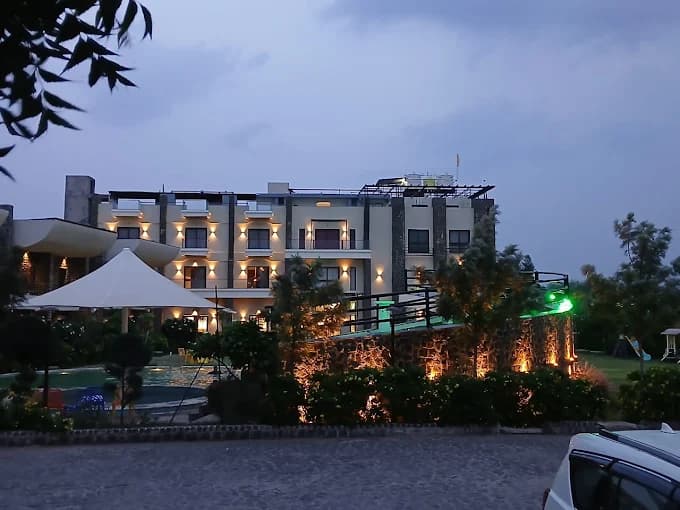
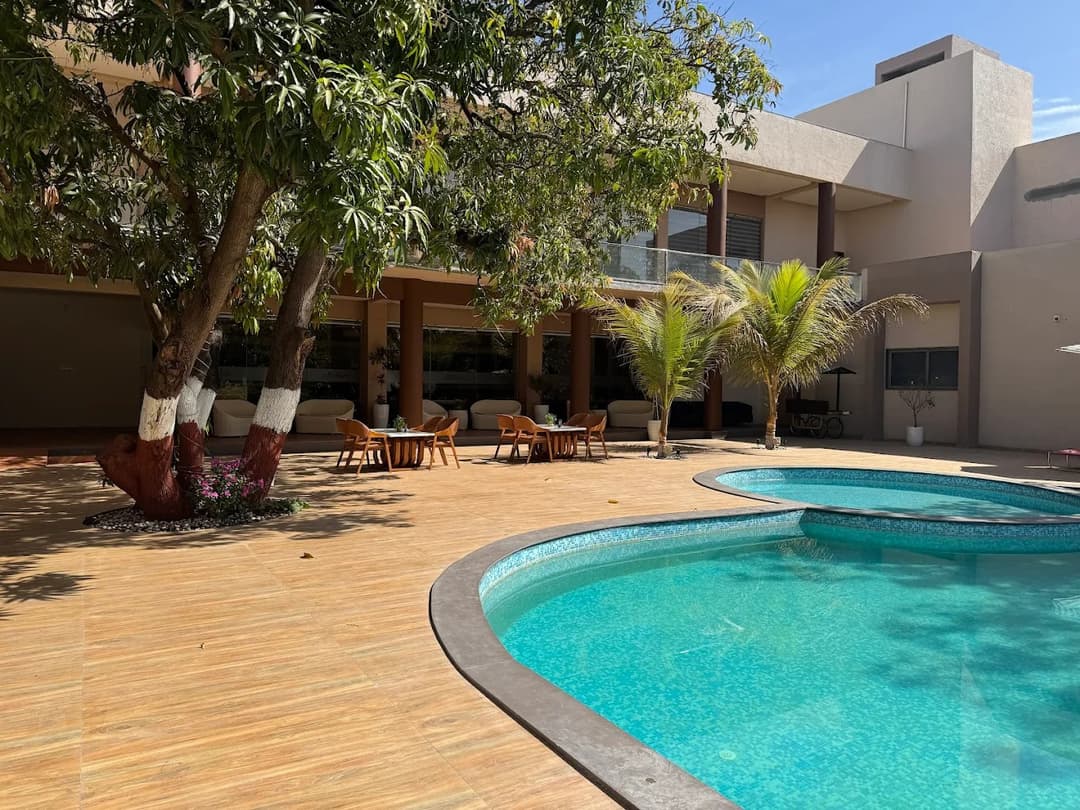
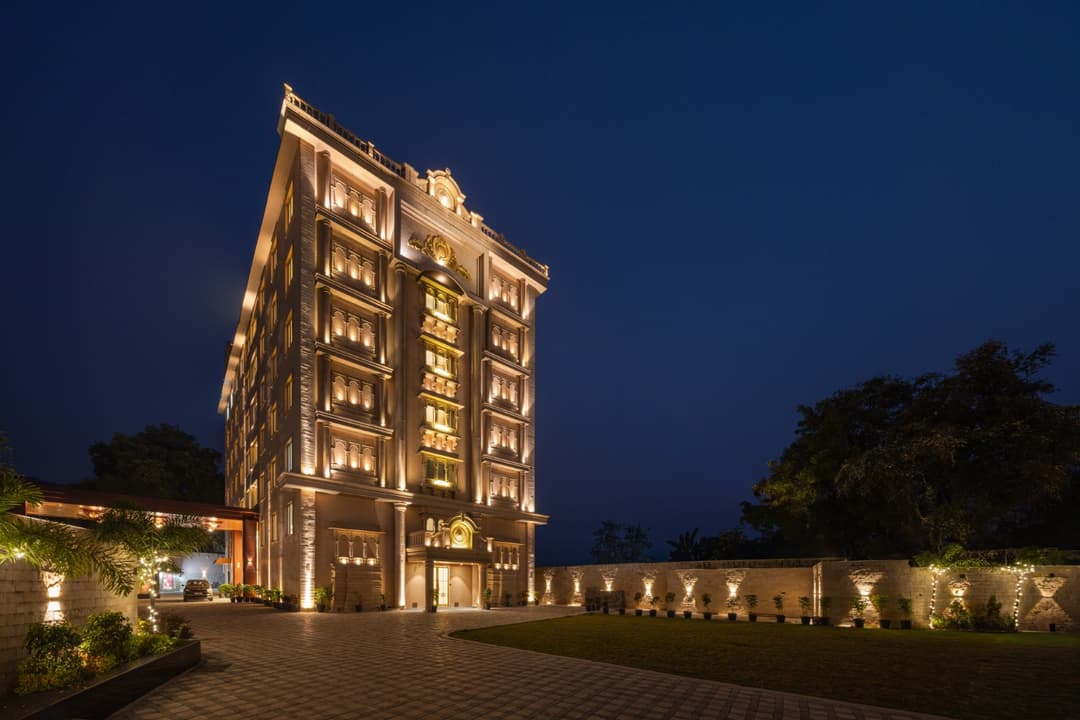
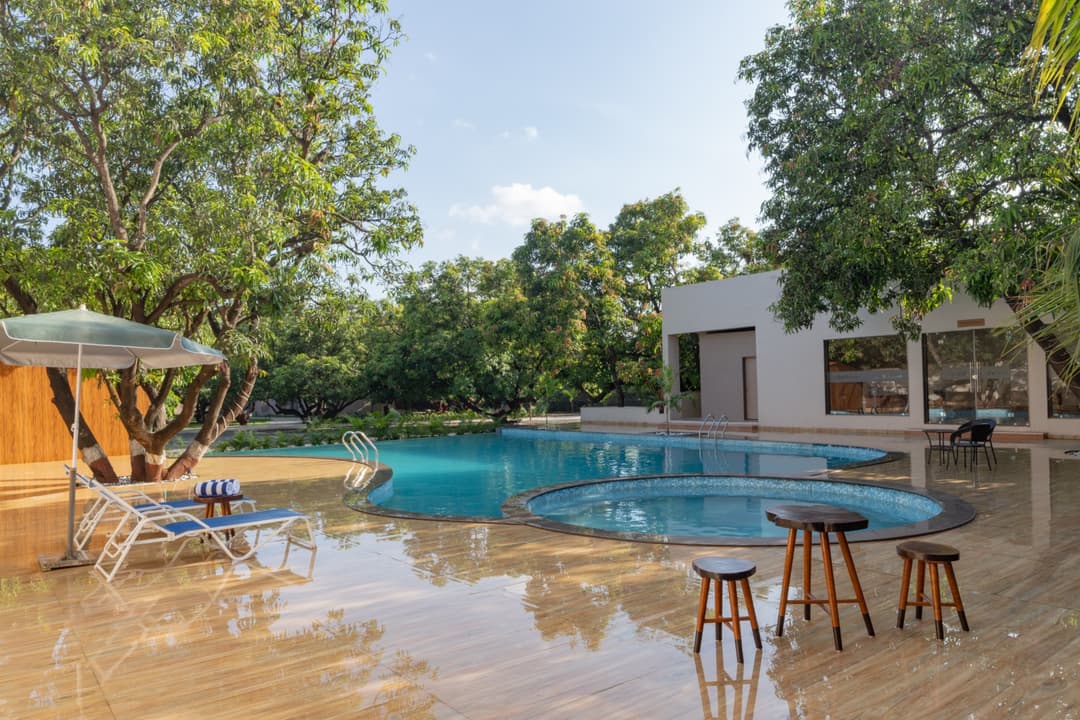
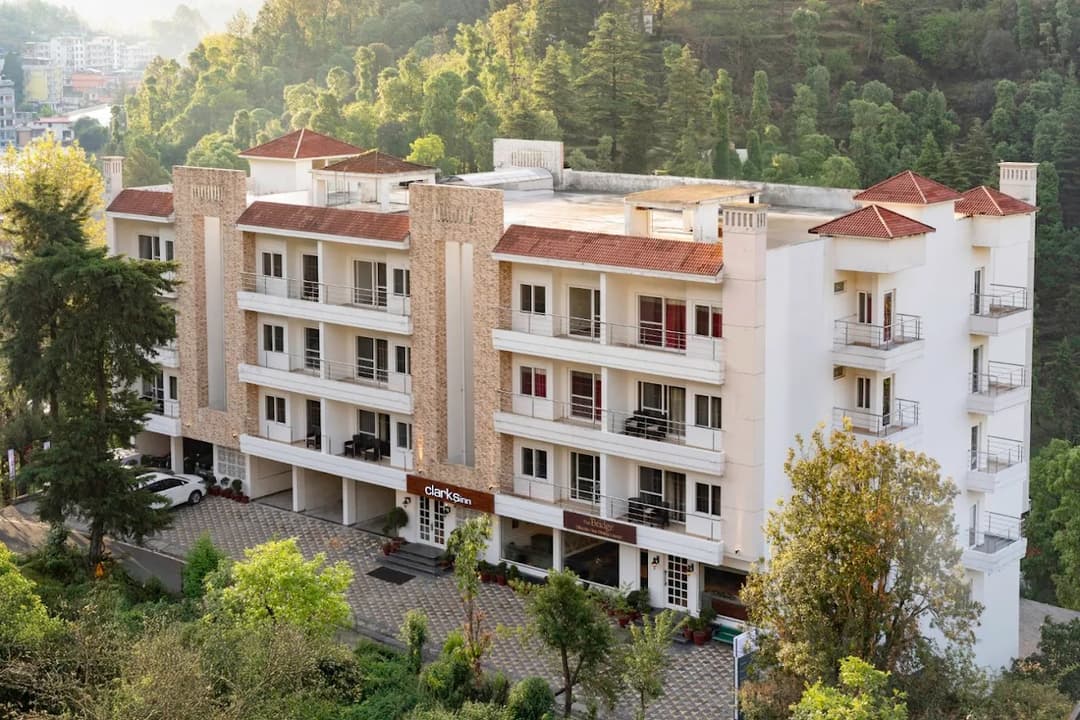
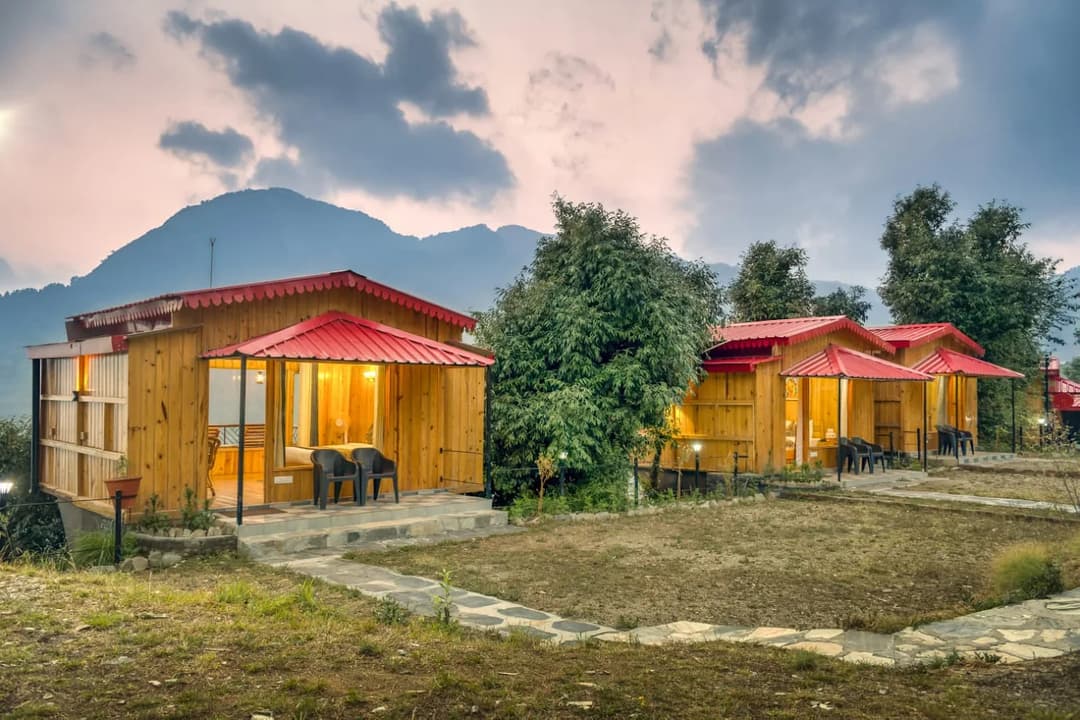
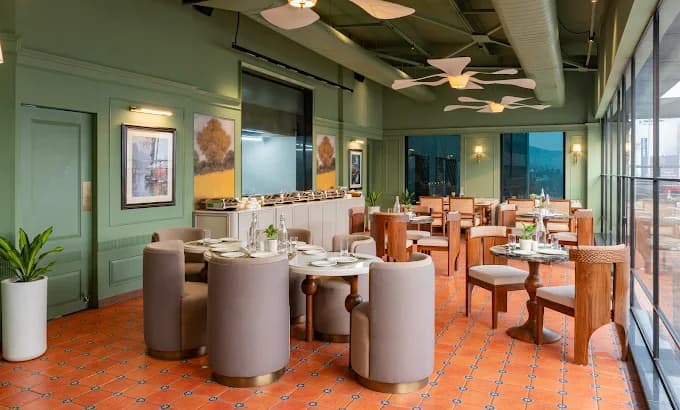
Clarks Exotica Mandav Heritage is a premier hotel in Mandav, offering carefully crafted stays, dining outlets and modern facilities. It is only 15 minutes from the Bus Stand and about 2 hours from Indore Railway Station. Its heritage architecture and landscaped gardens also make it a perfect venue for weddings, parties and events.
Travel Tips to keep in mind
- Wear comfortable shoes as some of the monuments involve a lot of walking and climbing.
- Remember to carry water, sunblock cream and a cap.
- Pick up a local guide to help you understand the history and lore of the place.
- Hire a bicycle or local vehicle to reach the monuments, especially if they are a distance away.
- Begin your day early to beat the heat and the crowds.
Final thoughts
Mandav, with its natural splendour and rich history, is truly a treat for any connoisseur of architecture and romance. Explore every corner of this ancient town, from the floating elegance of the Jahaz Mahal to the cool simplicity of the Hoshang Shah's Tomb, and make Mandav your dream destination. Book a decent hotel in Mandav and allow at least two days in the city to soak in the beauty of the plateau. You are sure to return, again and again, for more.
FAQs
1. What is the best time to visit Mandav?
October is the best time to visit Mandav. The monsoon has just ended, so the plateau is still green, the lakes are full and the weather is pleasant, which makes it ideal for walking between monuments. The cooler months that follow, up to March, are also good for sightseeing. Summers are hot, so plan early morning visits if you travel then.
2. How far is Mandav from Indore?
Mandav is around 95 km from Indore and the drive takes about 2 to 2.5 hours by road. This makes it a convenient weekend trip though staying overnight lets you see the monuments without rushing.
3. What are the top heritage places to visit in Mandav?
The must-see monuments include Jahaz Mahal, Hindola Mahal, Hoshang Shah Tomb, Jami Masjid, Ashrafi Mahal, Baz Bahadur's Palace and Rani Roopmati Pavilion.
4. Is it better to stay overnight in Mandav?
Yes. The monuments are spread out, so staying overnight is advisable. A good hotel in Mandav lets you enjoy sunrise and sunset at the best sites and avoids the long drive back to Indore on the same day.
5. Which is a good hotel in Mandav for families and events?
Clarks Exotica Mandav Heritage is a premier hotel in Mandav, offering comfortable stays, dining outlets and landscaped gardens. It is also a popular choice for weddings, parties and other events.